













Understanding Belly Fat: Causes and Challenges
Types of Belly Fat and Their Health Impacts
Belly fat isn’t just a cosmetic concern; it’s also a significant health issue. There are two main types of fat found around the abdomen: subcutaneous fat, which lies just under the skin, and visceral fat, which surrounds the internal organs. While subcutaneous fat is often visible and pinchable, visceral fat hides deeper within the abdominal cavity, posing more serious health risks. This type of fat is linked to increased chances of cardiovascular disease, type 2 diabetes, and other metabolic problems. Carrying extra weight around the middle may affect your health more than you realize.
Common Myths About Spot Reduction
One of the biggest misconceptions about belly fat is that doing exercises targeting the stomach will burn fat specifically from that area. Unfortunately, the body doesn’t quite work that way. Fat loss happens uniformly rather than in isolated spots, which means focusing solely on abdominal exercises won’t directly melt belly fat. While strengthening your core is valuable, it won’t override the need to reduce overall body fat through diet and exercise.
Key Principles Behind Targeted Fat Loss
How Exercise Affects Fat Distribution
Exercise plays a crucial role in fat loss, but it influences overall fat stores rather than targeting specific areas. Aerobic activities like walking, swimming, or cycling increase calorie burn, encouraging your body to use fat as energy. On the other hand, strength training builds muscle, which raises your resting metabolic rate, helping you burn more calories throughout the day. Combining both types of exercises is often the most effective strategy to reduce belly fat over time.
Role of Nutrition and Lifestyle in Belly Fat Reduction
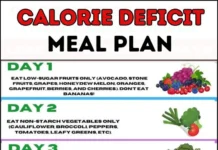
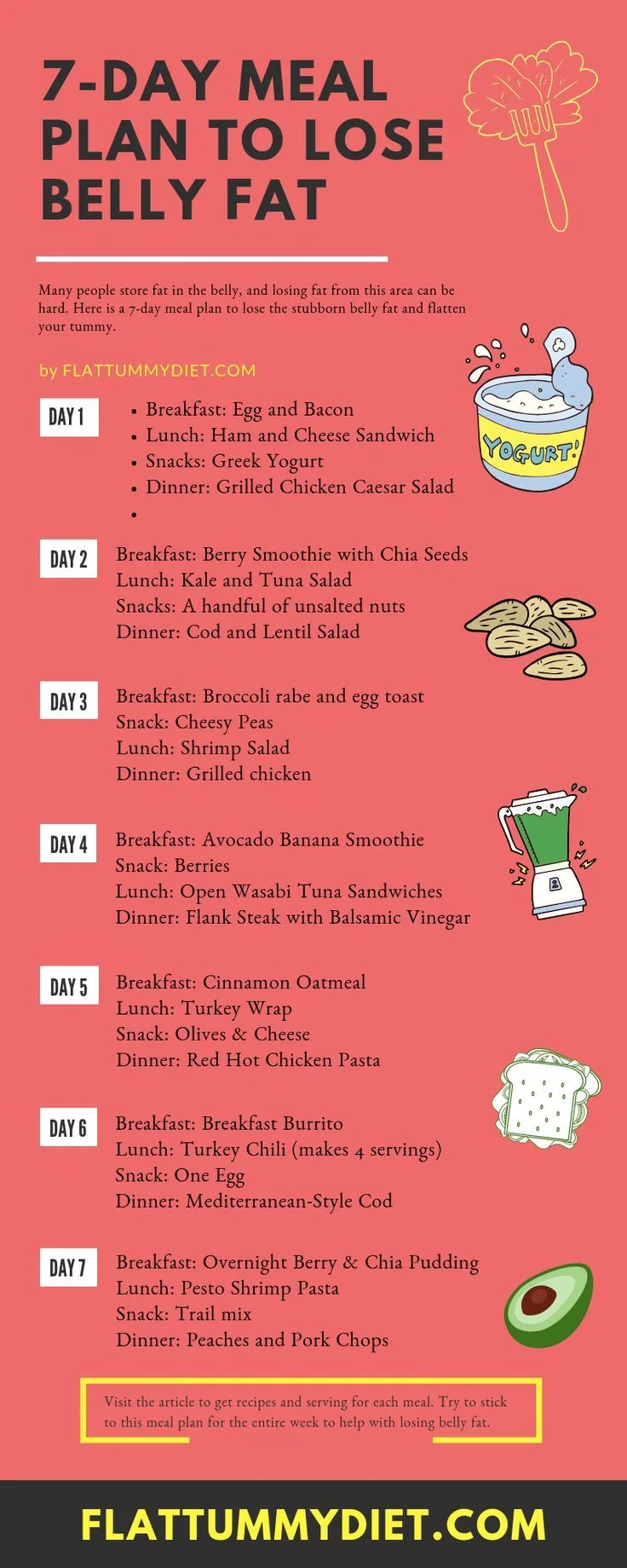
Nutrition is equally important when trying to reduce belly fat. Creating a calorie deficit—where you burn more calories than you consume—is essential. Choosing whole, nutrient-dense foods while limiting processed snacks and sugary drinks can make this easier. Additionally, stress management is often overlooked; stress can lead to increased hunger, cravings for unhealthy foods, and weight gain. Incorporating gentle practices like yoga or tai chi can help mitigate this cycle and support overall fat loss.
Designing Your Home Workout Routine
Essential Warm-Up Exercises
Before diving into intense workouts, warming up prepares your body and mind for exercise. Simple movements like marching in place, arm circles, and gentle twists help increase blood flow and reduce injury risk. Warming up for about five to ten minutes also improves your performance and makes the session feel more enjoyable. Skipping this phase can leave you feeling stiff or sore afterward, so it’s worth making space for it in your routine.
High-Intensity Interval Training (HIIT) for Belly Fat
HIIT has become popular for fat loss because it combines short bursts of intense activity with brief recovery periods, boosting calorie burn even after your workout ends. This approach isn’t just for fitness buffs; you can adapt it to fit your space and energy levels. For example, performing exercises like jumping jacks, high knees, or mountain climbers for 30 seconds followed by a rest can keep your heart rate elevated and target overall fat loss. Remember to start slowly and increase intensity as your fitness improves.
Core Strengthening and Toning Moves
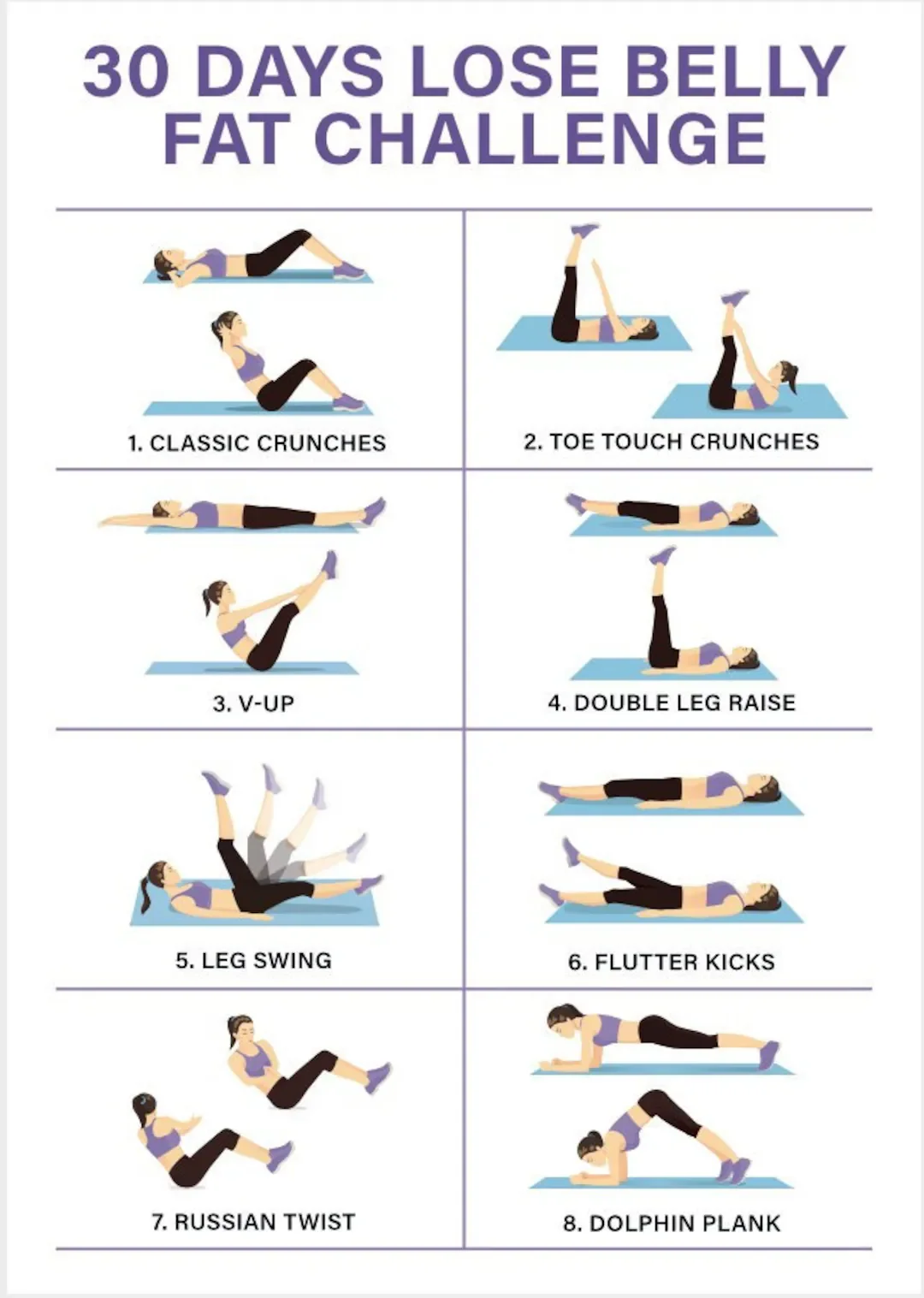
While core exercises alone won’t spot reduce fat, they enhance the muscles in your abdomen, which improves posture, balance, and overall strength. Moves like planks, bicycle crunches, and leg raises engage multiple muscle groups and can be repeated two to three times for a satisfying workout. Using proper form is key here—performing exercises correctly ensures you get the most benefit and avoid injury. Modifying exercises by raising knees instead of heels or moving at your own speed can help keep things accessible.
Sample Weekly Workout Plan for Effective Fat Loss
Day-by-Day Breakdown
A balanced weekly plan might include three days of aerobic or HIIT workouts interspersed with two days focused on strength training and core exercises. For example, start the week with a brisk 30-minute walk or light jog. On the second day, perform core strengthening moves along with gentle yoga to relieve stress. Midweek could be a HIIT session with short intervals of jumping jacks and mountain climbers. Rest or active recovery with stretching follows. The weekend might include a fun dance session or swimming, keeping your activity levels high while preventing burnout.
Modifications for Different Fitness Levels
Not everyone starts their fitness journey at the same pace. For beginners or those with limited mobility, seated exercises or lower intensity movements provide a safe way to build aerobic fitness without strain. With time, increasing the duration or adding resistance bands can boost strength and calorie burn. More experienced exercisers can ramp up intensity or extend workout durations, but should always listen to their body and take breaks when needed. Consistency and gradual progression beat pushing too hard too fast.
Tracking Progress and Staying Motivated
Measuring Success Beyond the Scale
Fat loss isn’t only about what the scale says. Sometimes, inches lost around the waist, improved energy levels, better sleep, or increased stamina tell a richer story of progress. Taking measurements, noting how your clothes fit, or simply reflecting on how you feel are great ways to stay encouraged. Remember, sustainable fat loss takes time, so celebrate small victories and avoid rushing results.
Tips to Maintain Consistency at Home
Working out at home offers flexibility but can challenge motivation. Setting a schedule, creating a dedicated space, or joining online classes such as SilverSneakers can provide structure and social support. Mixing different activities keeps things fresh, while reminders of your goals help stay focused. Most importantly, make sure to enjoy the process. Finding workouts that feel fun rather than a chore is a game-changer for long-term success.