





















Introduction to Managing Large Projects
Why Breaking Projects Down Matters
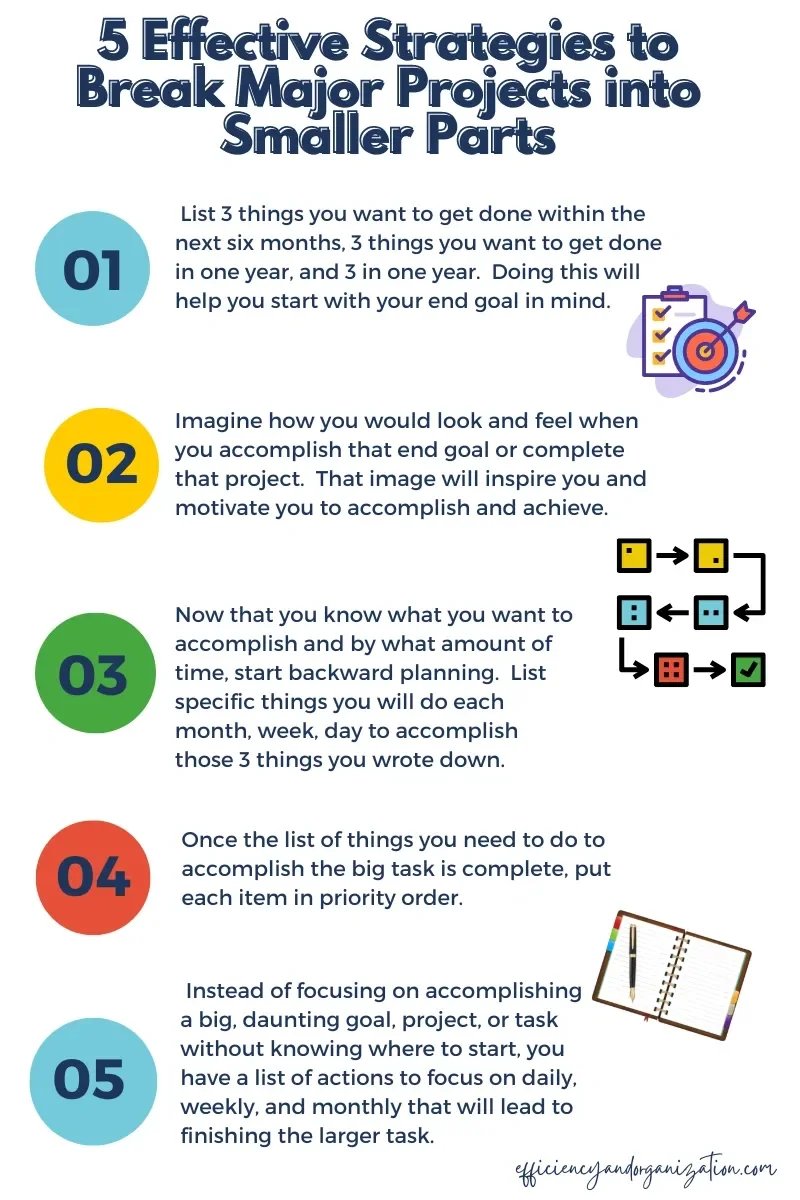
Large projects can quickly become overwhelming without proper structure. Breaking them down into smaller tasks makes progress visible and manageable. It allows for focused daily efforts, reducing procrastination and stress. This approach also helps maintain motivation by celebrating small wins along the way.
Common Challenges Faced
One major challenge is losing sight of the overall objective when immersed in minute details. Another is difficulty estimating how long tasks will take, leading to unrealistic schedules. People also often struggle with prioritizing tasks, causing important activities to be delayed or overlooked.
Step-by-Step Approach to Breakdown
Identifying Major Milestones
The process begins by defining key milestones that mark significant progress points. These provide a framework for the project and help establish clear checkpoints. Milestones also serve as motivation drivers by showing tangible achievements.
Creating Subtasks for Each Milestone
After pinpointing milestones, break them into subtasks that are specific and actionable. Each subtask should be concise and feasible to accomplish in a reasonable time span. Clear task description prevents confusion and aids in maintaining momentum throughout the project.
Estimating Time and Effort
Estimating the required effort for every subtask is vital for efficient scheduling. This estimation enables realistic daily to-do lists and prevents burnout from overloading. Adjustments based on experience help improve accuracy over time.
Prioritization Techniques for Daily To-Do Lists
Using the Eisenhower Matrix
Prioritizing daily tasks using the Eisenhower Matrix separates urgent and important items from less critical ones. This method guides decision-making on what requires immediate attention versus what can be delegated or postponed. It sharpens focus on what truly advances project goals.
Applying the ABCDE Method
The ABCDE Method assigns a priority level to each task, with “A” tasks being most crucial. This ranking simplifies identifying essential actions to tackle first. Using this technique regularly helps maintain clarity and prevents time wasted on low-value activities.
Leveraging Tools and Technology
Best Project Management Software Options
Project management software such as Asana, Trello, and Microsoft Project streamline task organization and communication. They enable visual tracking of milestones and deadlines, enhancing collaboration. Choosing the right platform depends on project complexity and team size.
Digital To-Do List Tools to Enhance Productivity
Digital to-do lists offer searchability and flexibility unavailable with paper lists. They are less likely to be lost and allow easy reorganization of tasks. Tools like Todoist and Microsoft To Do support setting reminders and categorizations, boosting daily productivity.
Building a Sustainable Daily Workflow
Balancing Workload for Consistency
Maintaining a balanced workload prevents burnout and ensures steady progress. Allocating realistic daily tasks adjusted to energy levels and time availability fosters long-term consistency. Avoiding overcrowded to-do lists is key to sustainable productivity.
Incorporating Breaks and Reviews
Regular breaks enhance focus and prevent fatigue throughout the workday. Incorporating short pauses refreshes the mind for better output. Daily reviews of completed tasks and plans promote continuous improvement and alignment with goals.
Case Study: Breaking Down a Complex Project
Initial Project Analysis
A software development project was divided into milestones such as design, coding, testing, and deployment. The team identified specific deliverables within each phase. This structured approach clarified expectations and timelines.
Daily Task Organization and Tracking
Each day’s tasks were created from subtasks aligned with milestones. The team used digital tools to assign responsibilities and track progress. Time boxing was employed to allocate focused work periods, improving efficiency and awareness of time use.
Conclusion: Key Takeaways for Effective Task Management
Breaking large projects into manageable daily to-do lists enhances control and reduces overwhelm. Clear milestone identification, precise subtasks, and accurate time estimates create a solid foundation. Prioritization techniques like the Eisenhower Matrix and ABCDE method help focus on what matters most. Leveraging technology streamlines organization, while balanced workflows support sustainability. Overall, these strategies enable consistent progress and successful project completion.