
























Understanding Family Conflicts: Root Causes and Dynamics
Common Triggers in Family Disputes
Family conflicts often arise from a variety of underlying issues that may not always be immediately obvious. Differences in values, beliefs, preferences, and personalities are frequent sources of disagreement. For example, a clash might occur over contrasting opinions on parenting styles or financial decisions. Sometimes, stress from external pressures such as work, school seasons, or even political events can exacerbate tensions within the family.
Beyond these differences, hidden or denied conflicts can simmer beneath the surface, manifesting only through indirect signs such as behavioral symptoms in children or subtle changes in interaction patterns. Recognizing these triggers is the first step toward addressing conflicts constructively, as unresolved rifts tend to grow more deeply entrenched over time.
Role of Emotions in Escalation
Emotions play a pivotal role in how family conflicts escalate. Feelings of rage, harshness, or rigidity can intensify disputes and create barriers to effective communication. When emotions run high, family members may resort to blaming, criticizing, or even shaming each other, which often deepens the divide rather than resolves the issue. Lack of conflict resolution skills further complicates these emotional responses, leading to destructive interactions instead of healing ones. Understanding these emotional dynamics is essential for learning how to manage disagreements calmly and respectfully.
The Importance of Calmness in Conflict Resolution
Techniques to Maintain Composure
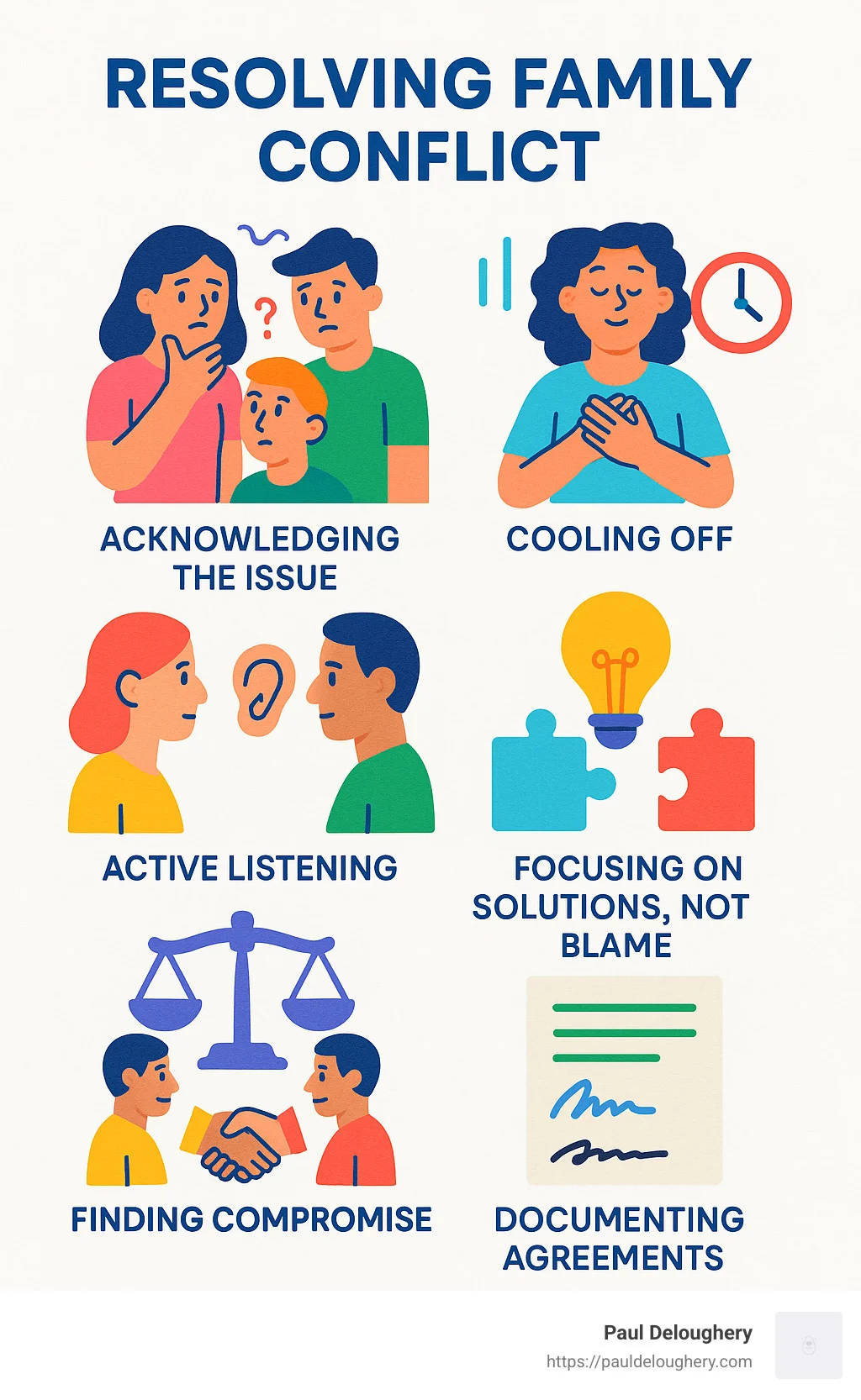
Maintaining calmness during family conflicts is crucial but can be challenging. Techniques such as taking deep breaths, pausing to reflect before responding, and using time-outs when emotions become overwhelming can help individuals regain control. Going for a walk or writing down thoughts can also be effective methods to manage anger or frustration. These strategies create space for thoughtful dialogue rather than reactive arguments.
Furthermore, preparing mentally for potentially difficult conversations by setting intentions to stay calm can improve one’s ability to handle emotions constructively. When family members consciously practice these techniques, the environment becomes more conducive to collaborative problem-solving.
How Calmness Influences Communication Outcomes
Calmness creates a foundation for respectful and productive communication. When individuals approach conflicts with a composed demeanor, they are more likely to listen actively, acknowledge differing perspectives, and avoid personal attacks. This respectful atmosphere encourages openness and honesty, which are vital for resolving disputes and rebuilding trust.
Moreover, calm interactions reduce misunderstandings and help keep discussions focused on the issue rather than on emotional reactions. As a result, families can work together to identify solutions and move beyond conflict more effectively.
Practicing Respectful Dialogue Within Families
Active Listening Skills
Active listening is a cornerstone of respectful dialogue. It requires full attention to the speaker, patience, and an engaged body language that shows interest and empathy. Instead of planning responses while others are talking, practicing active listening means asking clarifying questions and summarizing what has been said to ensure understanding. This approach validates each person’s feelings and experiences, making them feel heard and respected.
Implementing active listening is particularly important in family settings where emotions can be intense. It helps prevent miscommunication and fosters a supportive environment conducive to resolving conflicts.
Using “I” Statements to Express Feelings
Expressing feelings using “I” statements rather than accusatory language can significantly improve dialogue quality. For example, saying “I feel hurt when…” instead of “You always…” shifts the focus from blame to personal experience. This method reduces defensiveness and opens the door for empathetic responses from others.
By focusing on one’s own emotions and reactions, family members can communicate their needs and concerns clearly while maintaining respect. This practice promotes understanding and helps avoid unnecessary escalations.
Step-by-Step Guide to Managing Family Arguments
Preparation: Setting the Stage for Dialogue
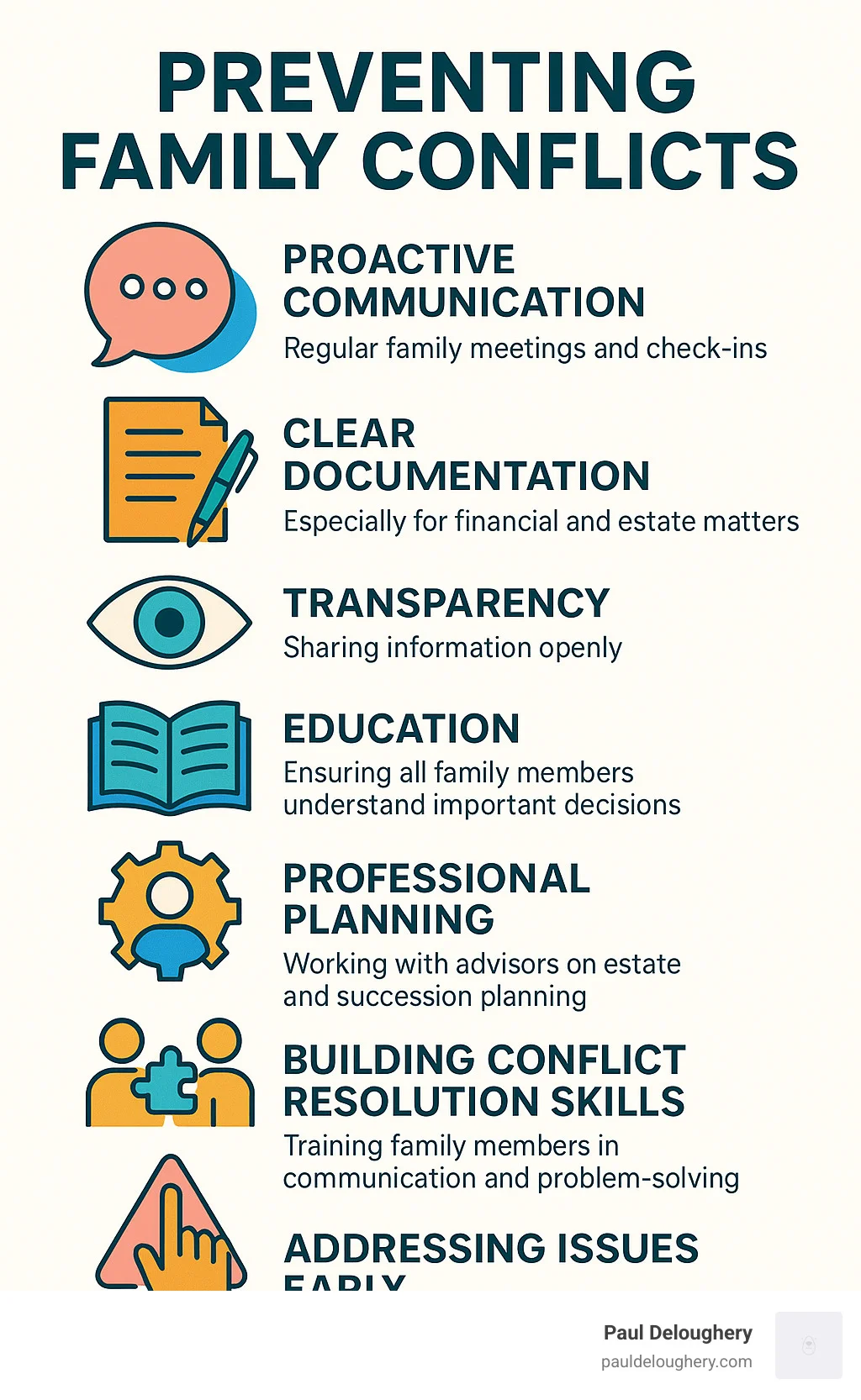
Before engaging in a difficult conversation, it is important to prepare the environment and mindset. Scheduling a time when everyone is calm and free from distractions establishes a foundation for a focused discussion. Setting clear intentions to listen without judgment and to seek mutual understanding helps all parties feel safe and respected.
Additionally, acknowledging personal roles in the conflict and being willing to take accountability sets a positive tone. This preparation encourages transparency and signals a commitment to constructive resolution.
During the Discussion: Maintaining Focus and Respect
Throughout the conversation, maintaining calm and respect is key. Emotions should be controlled by taking time-outs if feelings become too intense. It is essential to stay on topic, avoiding blame or personal attacks, and to use active listening skills to understand each perspective fully.
Family members should express themselves using “I” statements and validate others’ feelings without judgment. If disagreements persist, focusing on the bigger picture rather than winning the argument helps keep the dialogue productive. Setting clear personal boundaries when feeling overwhelmed also supports maintaining respect and safety.
Post-Conflict: Rebuilding Trust and Understanding
After a conflict has been discussed, rebuilding trust is a crucial next step. Apologizing sincerely for any inappropriate behavior demonstrates remorse and concern, which can heal emotional wounds. Families should review the problem together and create a clear plan for improvement or compromise.
Ongoing communication through regular family meetings helps prevent unresolved issues from festering. When conflicts are frequent or communication remains difficult, seeking professional help from therapists or counselors can provide valuable support for sustained harmony.
Case Studies: Successful Family Conflict Resolutions
Real-Life Examples and Lessons Learned
One family experienced escalating conflicts due to differences in parenting approaches and work-related stress. By agreeing to schedule weekly family meetings, practicing active listening, and setting rules for respectful dialogue such as the use of “I” statements and taking breaks when needed, they gradually restored open communication. The willingness to apologize and take accountability played a significant role in rebuilding trust.
Another case involved hidden conflicts manifesting in children’s behavioral issues. The family sought counseling, which helped them uncover unacknowledged tensions and learn practical conflict resolution skills. This professional guidance enabled them to create a safe space for honest conversations and improved emotional connections.
These real-life examples highlight that patience, respect, and commitment to calm dialogue are fundamental to resolving family disputes successfully. Each situation teaches that avoiding judgment, appreciating differences, and prioritizing understanding over winning are essential lessons for lasting peace.