























Understanding the Importance of Prenatal Vitamins
Why Are Prenatal Vitamins Essential?
Pregnancy creates increased nutritional demands on a woman’s body to support both her health and the growth of the baby. Prenatal vitamins fill important nutrient gaps that may not be covered by diet alone. They help reduce the risk of birth defects, support fetal development, and maintain maternal well-being throughout pregnancy.
Key Nutrients Needed During Pregnancy
Several nutrients become critically important during pregnancy. Folic acid is vital for preventing neural tube defects in the developing baby’s brain and spinal cord, especially in early pregnancy. Iron supports the increased blood supply and prevents anemia, which can cause fatigue and complications. Vitamin D aids calcium absorption, which is essential for the baby’s bone growth. Other nutrients like calcium, vitamin B12, and iodine also contribute to healthy fetal development.
Impact on Fetal Development and Maternal Health
Appropriate prenatal nutrition helps support the baby’s nervous system, bone formation, and organ development. For mothers, it reduces the risk of anemia, supports immune function, and improves energy levels. Deficiencies or excesses of certain vitamins, such as vitamin A, may harm fetal development or cause complications, highlighting the importance of balanced supplementation.
Decoding Prenatal Vitamin Labels
Common Ingredients to Look For
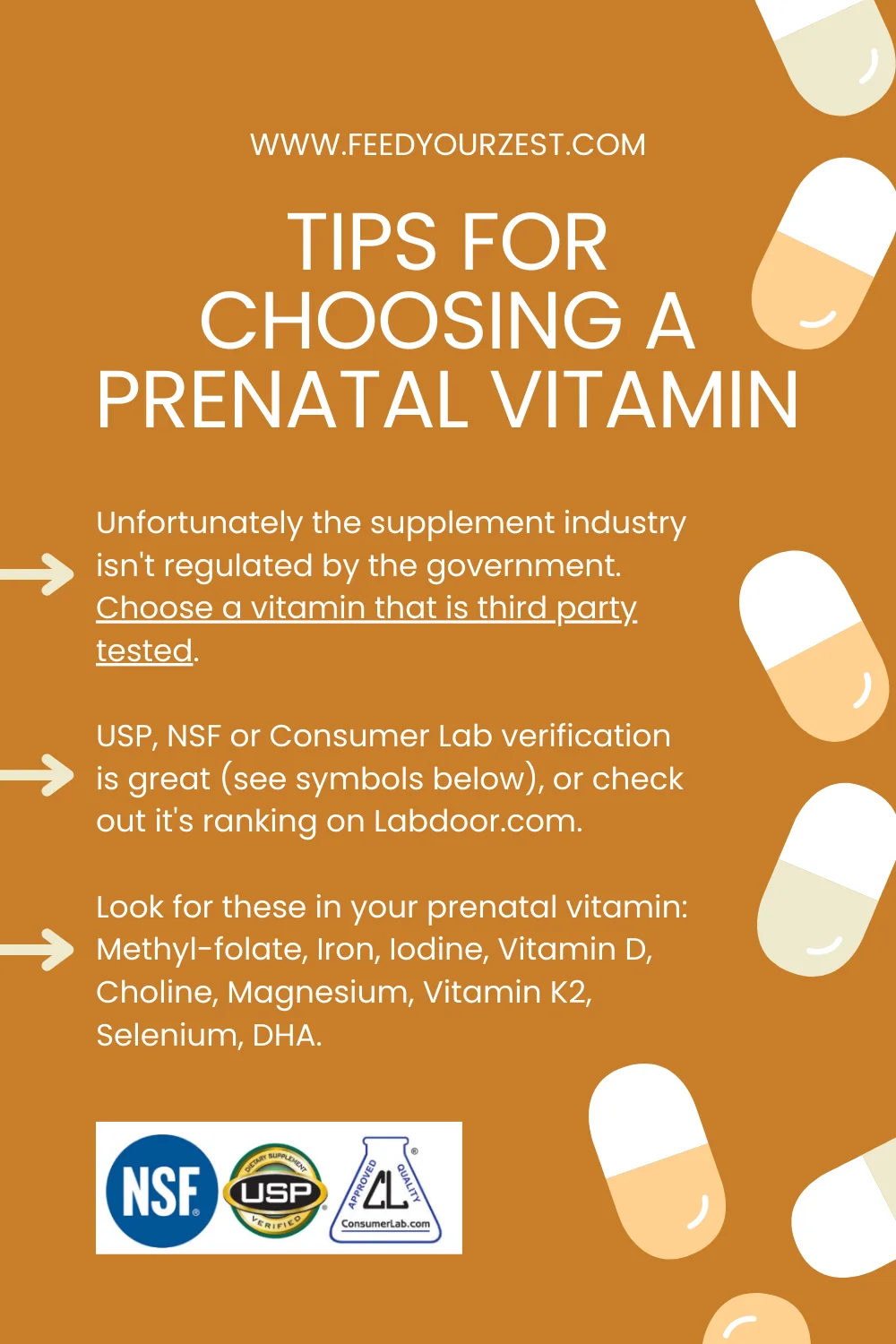
When examining prenatal vitamin labels, look for folic acid, iron, calcium, vitamin D, and vitamin B12 as key components. These provide the fundamental support needed during pregnancy. Many formulations also include vitamin C for immune health and zinc for cell growth. Check for adequate amounts that align with recommended daily intakes.
Understanding Dosages and Measurements
Dosages on labels can be listed in micrograms (mcg) or milligrams (mg), so it’s important to read carefully. For example, 400 micrograms of folic acid daily is recommended before and during early pregnancy. Iron is often provided in milligrams, with typical prenatal supplements containing between 17-30 mg. It’s crucial not to exceed safe upper limits, particularly for vitamin A and vitamin D, as excessive intake can be harmful.
What to Avoid in Prenatal Supplements
Vitamin A, especially in the form of retinol, should be avoided as high doses can harm the developing baby. Some prenatal vitamins may use beta-carotene instead, which is considered safer. Additionally, steer clear of supplements that exceed daily recommended doses or those that contain ingredients not advised during pregnancy, such as certain herbal extracts without evidence of safety.
Choosing the Right Prenatal Vitamin for You
Assessing Your Personal Nutritional Needs
Individual nutritional needs vary depending on health status, diet, and pregnancy history. Women with previous pregnancies affected by neural tube defects or those with chronic conditions like diabetes may require higher folic acid doses. Vegetarians and vegans should ensure adequate iron and vitamin B12 intake. Consulting with a healthcare professional helps tailor supplement choices based on personal health factors.
Comparing Different Types of Supplements
Prenatal vitamins come in various forms—tablets, gummies, and liquids. Some focus on key nutrients only, while others include additional components like DHA or probiotics. Consider tolerability, ease of swallowing, and ingredient composition. Also, factor in absorption differences; for example, iron supplements may cause constipation for some users, so choosing the right formulation can make a difference.
When to Consult with a Healthcare Provider
Always consult a healthcare provider before starting any prenatal vitamin. This ensures the correct formulation, dosage, and timing, especially if you have existing health conditions or previous pregnancy complications. Your provider may recommend specific brands or higher nutrient doses based on your risk profile and nutritional status.
Additional Supplements to Support Pregnancy Nutrition
Omega-3 Fatty Acids and DHA
Omega-3 fatty acids, particularly DHA, contribute to fetal brain and eye development. While some prenatal vitamins include DHA, additional supplementation or dietary sources such as oily fish may be beneficial. Limit oily fish intake to two portions per week to avoid excess mercury exposure.
Probiotics and Gut Health
Probiotics can support maternal digestive health and may reduce the risk of certain pregnancy-related complications. However, evidence is still emerging, so consult your healthcare provider before adding probiotic supplements to your routine.
Herbal Supplements: Benefits and Risks
Herbal supplements are popular but may carry risks during pregnancy. Some herbs can affect uterine contractions or interact with medications. Avoid herbal supplements unless recommended and supervised by a healthcare professional to ensure safety for both mother and baby.
Practical Tips for Incorporating Prenatal Vitamins
Best Times to Take Your Vitamins
Taking prenatal vitamins with meals can enhance absorption and reduce stomach upset. Consistency is important, so try to take them at the same time each day. Consider splitting doses if the supplement causes digestive discomfort.
Managing Side Effects
Iron in prenatal vitamins can cause constipation. To mitigate this, drink plenty of fluids and consume more dietary fiber. Regular physical activity, when approved by your healthcare provider, also helps maintain healthy digestion. If constipation persists, ask about safe stool softeners.
Storing and Handling Supplements Properly
Store prenatal vitamins in a cool, dry place away from direct sunlight. Keep them out of reach of children. Check expiration dates and discard any outdated supplements. Proper storage maintains potency and ensures the supplements remain effective throughout pregnancy.