
















Understanding Negative Communication Cycles in Marriage
Defining Negative Communication Patterns
Negative communication cycles in marriage are recurring patterns of interaction that create tension and emotional distress instead of understanding and connection. These patterns often involve criticism, defensiveness, contempt, and stonewalling, which feed into each other and escalate conflicts. When couples find themselves caught in these cycles, it becomes difficult to resolve issues because each partner’s reactions tend to trigger insecurity or frustration in the other. Such cycles are not a reflection of personal failure but are rather survival strategies that have developed over time and can be addressed with awareness and effort.

Common Triggers in Marital Conversations
There are many triggers that can initiate or worsen negative communication in marriage. Everyday stressors such as disagreements about parenting methods, finances, intimacy, or even seemingly minor issues like household chores can ignite arguments. Moreover, breakdowns often occur when discussions create emotional unsafety—such as when one partner feels invalidated or unheard. In addition, old attachment wounds and unmet emotional needs often resurface during these moments, leading to withdrawal or heightened sensitivity. The timing of conversations, such as during busy or stressful parts of the day, can also exacerbate misunderstandings and prompt negative responses.
The Impact on Relationship Health
When negative communication cycles persist, they damage the foundation of trust and intimacy in a marriage. Emotional disconnection deepens as partners feel more alone, misunderstood, or rejected. Over time, resentment, anxiety, and numbness can take root, making it harder for couples to reconnect or resolve conflicts constructively. The harmful effects extend beyond emotional health; constant tension can also impact physical well-being and quality of life. Recognizing the profound impact these cycles have is the first step to restoring a healthier and more fulfilling relationship dynamic.
Identifying Your Own Communication Triggers
Signs You Are Stuck in a Negative Loop
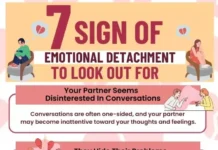
Recognizing when you are caught in a negative communication cycle is crucial for breaking free. Common signs include noticing repeated arguments about the same issues without resolution, feeling increasingly defensive or shut down during conversations, or observing your partner’s withdrawal or sarcasm escalate conflicts. Another red flag is experiencing frequent emotional distress without a clear resolution, where both partners react based on fear or insecurity rather than the current conversation. It’s also common to observe patterns like the Pursuer-Distancer dynamic, in which one partner seeks closeness while the other retreats to avoid conflict, or the Avoid-Avoid cycle where emotional engagement is entirely sidestepped.
Self-Reflection Techniques for Awareness

Becoming aware of your role in communication cycles starts with honest self-reflection. This involves paying close attention to your emotional responses during disagreements and how your words or body language might trigger your partner. Journaling your experiences after difficult conversations can help identify recurring patterns or feelings, such as frustration, fear, or rejection. You can also use mindfulness techniques to notice early signs of emotional escalation, like tension in your body or a rising defensive tone. Reflecting on your own attachment style—whether anxious or avoidant—can further illuminate why certain situations provoke strong reactions, enabling you to approach discussions with greater empathy and patience.
Effective Strategies to Break Negative Cycles
Active Listening and Empathy Practices
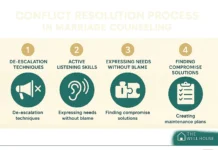
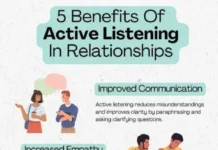
The first step in interrupting negative communication is to genuinely listen to your partner with empathy. This means focusing fully on their words without planning your rebuttal or becoming defensive. Repeat back what you hear to confirm understanding and show that their feelings are valid. Statements like “I hear you, and your feelings make sense” help create emotional safety so partners feel heard and respected. Building empathy involves imagining what your partner is experiencing emotionally, which can reduce tension and foster patience during difficult exchanges.
Using “I” Statements to Reduce Defensiveness
Communicating your feelings and needs using “I” statements instead of accusations helps lower defensiveness. For example, saying “I feel hurt when we don’t discuss decisions together” expresses vulnerability without blaming your partner. This approach focuses on your emotional experience and invites cooperation rather than conflict. When both partners replace criticism with affirmations of their internal experience, conversations become less about winning arguments and more about mutual understanding and solutions.
Implementing Time-Outs During Conflicts
When discussions become heated, taking structured breaks can help both partners regulate their emotions and avoid saying hurtful things. Agreeing to pause and return to the conversation later allows clarity to return and prevents spiraling negativity. During these breaks, focus on calming techniques such as deep breathing or a brief walk. Using damage control phrases like “This is our negative cycle; let’s not let it win” helps interrupt escalation and fosters a teamwork mindset. Returning to the conversation when both are calmer encourages more productive dialogue and quicker repair of misunderstandings.
Building Positive Communication Habits
Regular Check-Ins and Emotional Sharing
Creating space for regular emotional check-ins strengthens connection and prevents problems from accumulating unnoticed. These check-ins can be informal, asking “How are you feeling about us lately?” or more structured through weekly discussions about needs and challenges. Sharing vulnerable feelings and listening appreciatively encourages emotional closeness and reduces misunderstandings. Over time, this practice builds trust and reminds partners they are on the same team, reducing the likelihood of negative cycles taking hold.
Celebrating Successes and Progress Together
Recognizing and celebrating moments of positive communication reinforces good habits and growth. Expressing appreciation for kindness, patience, or improved listening motivates continued effort. This can be as simple as thanking your partner for their cooperation or acknowledging a tough conversation handled well. Celebrations remind couples that progress is possible and that their relationship is valued, nurturing optimism and resilience to face future challenges.
When to Seek Professional Help
Indicators You Might Need Marriage Counseling
Sometimes, despite best efforts, couples find they cannot break free from negative communication cycles on their own. Persistent feelings of emotional disconnection, increasing resentment, or repeated arguments that escalate quickly may signal the need for professional support. If negative patterns predate serious issues like betrayal, or emotional withdrawal becomes chronic, counseling can provide a safe environment to explore deeper attachment wounds and learn new interaction skills. Early intervention can prevent long-term damage and help couples rebuild a foundation of trust and respect.
Choosing the Right Therapist for Communication Issues
When selecting a therapist, look for someone experienced in couples counseling who specializes in communication and attachment styles. A skilled therapist will recognize negative cycles and help both partners understand their roles, fears, and needs. They often employ practical exercises like softening startup approaches, repair attempts, and fostering emotional safety. It’s important to find a professional with whom both partners feel comfortable and heard, ensuring the therapeutic process supports growth rather than blame. Using therapy as a resource complements efforts at home and accelerates lasting positive change.