























Understanding Aromatherapy: A Natural Approach to Stress and Sleep
What is Aromatherapy?
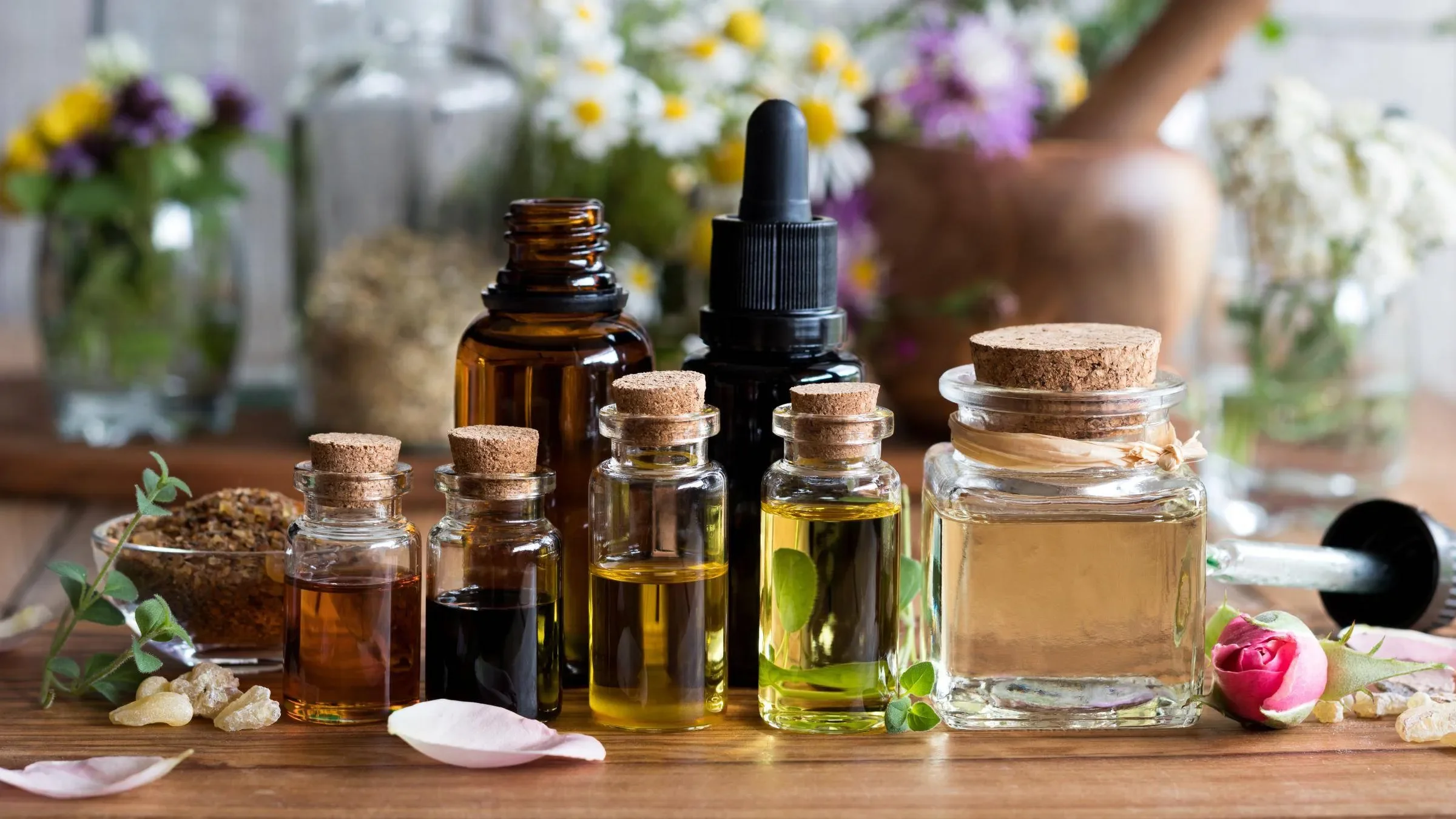
Aromatherapy is a holistic practice that uses natural plant extracts called essential oils to promote well-being. These oils capture the scent and beneficial compounds of flowers, leaves, bark, and roots, creating a therapeutic experience through their aroma. People have used aromatic plants for centuries, finding comfort and calm in their fragrances. Today, aromatherapy is popular for relaxation and to support better sleep, offering a gentle way to ease the mind and body without relying on artificial means.

How Aromatherapy Influences the Mind and Body
The powerful connection between scent and our nervous system is at the heart of aromatherapy’s effects. When we inhale essential oils, molecules travel into the nasal cavity and stimulate olfactory receptors. This stimulation sends signals to the brain’s limbic system, which controls emotions, mood, and memory. As a result, certain aromas can promote relaxation, reduce feelings of stress, or even lift the spirit. Beyond scent, topical use of essential oils during massage or baths may enhance physical comfort, helping to ease tension and foster restful sleep.
Common Essential Oils for Relaxation and Sleep
Some essential oils stand out for their calming qualities. Lavender is a classic choice known for its soothing aroma and ability to support rest. Chamomile often helps settle anxious thoughts, while sweet orange brings gentle uplifting energy to lighten the mood. Cedarwood and sandalwood offer grounding, warm scents that can create a cozy atmosphere. Each oil has unique properties, so exploring blends of clary sage, geranium, or ylang-ylang can uncover a personal favorite that fits your relaxation style perfectly.
Effective Techniques to Use Aromatherapy for Stress Relief
Diffusers: Creating a Calming Environment
Diffusing essential oils is one of the most popular ways to bring aromatherapy into daily life. A diffuser disperses a fine mist of water and essential oil into the air, allowing the scent to fill a room gently and continuously. Using a diffuser in your living space or workplace can help maintain a calming environment and reduce stress levels throughout the day. For best effects, running the diffuser 15 to 30 minutes before needing to relax helps prepare the mind and body for tranquility.
Topical Application: Massage and Pressure Points
Applying essential oils to the skin through massage is another effective technique. The tactile experience of massage combined with aromatic oils can soothe muscle tension and enhance relaxation. It’s important to dilute essential oils with carrier oils such as coconut or grapeseed before applying to avoid skin irritation. Targeting pressure points like wrists, temples, or the back of the neck can increase the calming impact, creating moments of mindful peace amid a busy day.
Inhalation Methods: Personal Aromatherapy
Inhalation doesn’t always require special equipment. Simply placing a few drops of essential oil on a tissue, cotton ball, or handkerchief lets you enjoy the fragrance whenever needed. This personal aromatherapy method is highly portable, allowing quick relief during moments of stress or pre-sleep anxiety. By consciously breathing in these scents, individuals can create a small pocket of calm without interrupting their routines.
Incorporating Aromatherapy Into Your Nighttime Routine
Bedtime Diffuser Blends for Better Sleep
Setting the stage for restful sleep can be as simple as diffusing the right essential oil blend in your bedroom. Combining lavender with chamomile or sandalwood creates a soothing aroma that signals your body it’s time to wind down. Diffusing these scents about half an hour before bedtime helps ease the transition into sleep. Creating this ritual can be a comforting cue, helping to reinforce healthy sleep patterns while nurturing relaxation.
Essential Oils to Use in Baths and Skin Care Before Sleep
Adding essential oils to a pre-sleep bath is a luxurious way to encourage calmness. A warm bath infused with a few drops of relaxing oils can calm both body and mind, offering a pause from the day’s stress. Similarly, incorporating diluted essential oils into skin care routines—such as a gentle massage on the feet or shoulders—can help the body feel cared for and ready to rest. These soothing rituals also help establish a bedtime routine that signals the end of the day.
Guided Breathing Exercises with Aromatherapy
Pairing aromatherapy with breathing exercises enhances its effects by promoting mindfulness and reducing tension. Sitting quietly and taking slow, deliberate breaths while inhaling a calming essential oil can deepen relaxation. This simple practice helps shift focus away from worries that interfere with sleep and invites a state of calm. Over time, combining scent and breathing becomes a powerful tool to manage stress and prepare the mind for rest.
Safety Tips and Considerations When Using Essential Oils
Choosing Quality Oils and Avoiding Allergens
Selecting high-quality essential oils is crucial for safety and effectiveness. Look for those labeled as organic or therapeutic grade, and check the label for the Latin name to verify the oil source. This helps avoid impurities and ensures you’re getting authentic aromatherapy products. It’s also wise to research brands and read reviews to confirm quality. People with allergies or sensitivities should test oils cautiously, as some fragrances may cause irritation or trigger reactions.
Proper Dilution and Usage Guidelines
Essential oils are potent and require careful handling. Diluting them with carrier oils before applying to skin is necessary to prevent irritation. Overuse, such as saturating fabrics or diffusing for long periods without breaks, can overwhelm the senses or cause headaches. It’s important to follow recommended guidelines and avoid using essential oils around young children or pets without proper knowledge. Always consult a healthcare professional if unsure, especially when pregnant or managing health conditions.
Measuring the Impact: Tracking Stress Reduction and Sleep Improvement
Journaling Your Aromatherapy Experience
Keeping a simple journal can be a helpful way to observe how aromatherapy affects your stress and sleep over time. Note the oils used, methods applied, and any changes in mood or restfulness. This practice encourages awareness of subtle improvements and helps identify which scents and routines resonate best with you. Writing down your experiences also creates a positive feedback loop, reinforcing commitment to self-care.
Making Adjustments Based on Personal Response
Everyone’s reaction to aromatherapy is unique. Some may find lavender deeply soothing, while others prefer the brightness of sweet orange. Paying attention to how particular oils or blends influence your relaxation and sleep guides you in refining your approach. Adjust the timing, concentration, or technique as needed to find what feels most effective. With patience and experimentation, you can develop an aromatherapy routine that naturally supports your well-being.