





















Understanding the Basics of a Yoga Space in Small Apartments
Why a Dedicated Yoga Area Matters
Creating a dedicated yoga space at home is more than just setting aside a corner with a mat. It’s about crafting an environment that invites calm, focus, and a deeper connection to your practice. When you have a specific spot for yoga, your mind recognizes it as a sanctuary—an intentional place to unwind, breathe, and stretch away the day’s tension. This sense of belonging can dramatically increase motivation and consistency, especially important for beginners trying to build yoga into their daily routine.
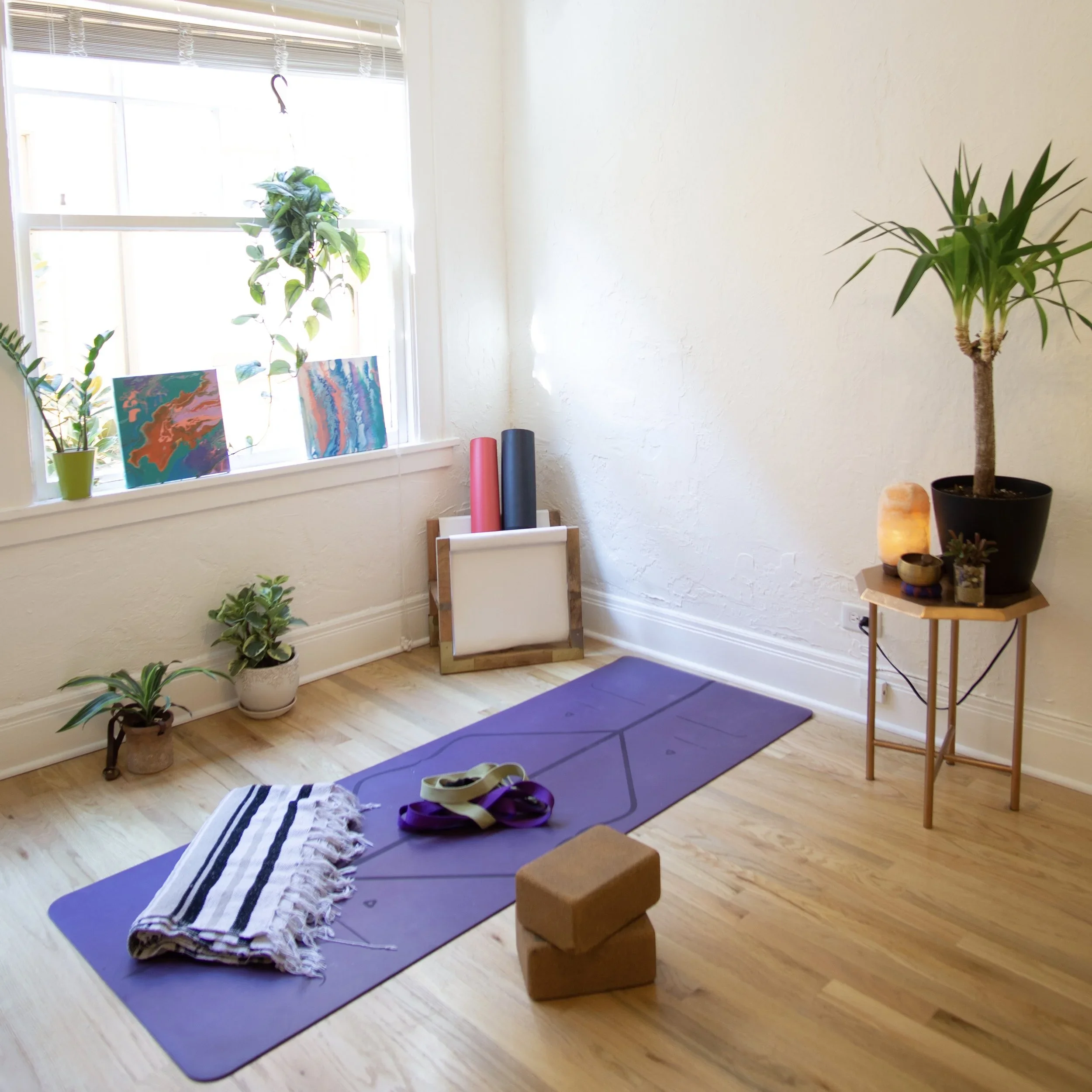
Without a dedicated area, yoga can feel like just another task, often interrupted by distractions or competing priorities. When your space feels inviting and peaceful, it naturally encourages you to roll out your mat and settle into practice without hesitation.
Challenges Unique to Small Spaces
Living in a small apartment comes with its own set of hurdles when carving out a yoga corner. Limited square footage means every inch counts, and it’s easy for the yoga area to get overwhelmed by clutter from other household items. Noise and constant activity in tight living environments can disrupt the tranquility yoga demands, while harsh overhead lighting often found in apartments may make the space feel sterile rather than soothing.
Another challenge is the temptation to let your yoga props scatter around or get buried under clutter, causing interruptions mid-practice. Many also struggle with dedicating time when life gets busy, and the yoga space isn’t readily accessible or inviting enough to keep returning to regularly. Recognizing these obstacles is the first step to overcoming them and designing a yoga nook that enhances your practice.
Choosing the Perfect Location Within Your Apartment
Assessing Light and Airflow
Light plays a subtle but powerful role in setting the tone for your yoga space. Whenever possible, select a spot near a window to invite natural light, which naturally uplifts mood and energy. Morning sunlight gently wakes the body, making it an ideal environment for practices like sun salutations. If natural light isn’t an option, consider warm lamps or fairy lights to mimic a softer, calming glow rather than harsh overhead bulbs.
Good airflow is equally important. Fresh air helps you breathe deeply and stay invigorated during your practice. If your chosen area gets stuffy, try opening a window or using a small fan to keep the air circulating and your environment comfortable.
Finding Quiet Corners Amidst the Bustle
Noise can be a major distraction, especially in small apartments shared with roommates or located in busy neighborhoods. Look for a corner tucked away from high traffic areas like the kitchen or living room. Facing your mat away from workspaces or clutter can also help your mind relax and detach from daily distractions.

Sometimes, it’s about carving out a small zone—a space as modest as 6 by 2 feet can be enough. This focused area becomes your yoga sanctuary where the outside world feels temporarily paused. Using noise-canceling headphones or playing soft instrumental music can further enhance your concentration, turning even a bustling apartment into a peaceful retreat.
Essential Tools and Accessories for Beginners
Yoga Mats: Selecting the Right Type and Size
A good yoga mat is the cornerstone of your home space. For beginners, thickness and grip matter the most. A mat around 5 to 6 millimeters thick provides cushioning without sacrificing stability, making floor poses and balance work more comfortable. Size is another consideration—ensure the mat is long and wide enough for you to stretch out fully without feeling cramped.
In small apartments, choose mats that can be conveniently rolled or folded for storage to keep the area tidy. Leaving the mat unrolled can also serve as a visual reminder encouraging daily practice, but it’s important to balance this with the need for space.
Props and Supports: Blocks, Straps, and More
Props are invaluable for beginners navigating new postures. Yoga blocks and straps help you achieve proper alignment, deepen stretches, and provide support during restorative poses. If you’re tight on space or budget, household items like thick books, folded towels, or cushions can substitute effectively.
Organizing props so they are easily accessible encourages fluid sessions and reduces frustration. Consider keeping these tools near your mat, in a basket or storage bin, to minimize the time spent hunting them down during practice.
Optimizing Your Space Design and Layout
Creative Storage Solutions for Small Areas
Storage can make or break a small yoga space. Clutter disrupts not only the physical area but also your mental focus. Using vertical storage options like wall hooks or shelves keeps props off the floor, while baskets and bins can corral smaller items neatly in a corner.
Multi-functional furniture, such as ottomans with storage compartments or benches, also helps maintain tidiness without sacrificing style or space. The key is to establish habits around quick cleanups and to keep the area visually calm, so the energy remains inviting for your practice.
Incorporating Inspiring Décor and Ambiance
Your yoga space should inspire you every time you step into it. Adding personal touches such as a favorite tapestry, calming artwork, or photos that bring you joy can create emotional attachment to the spot. Plants also add life and a sense of freshness, integrating nature’s calming presence indoors.
Lighting makes a huge difference in ambiance. Candles, salt lamps, or fairy lights contribute to a warm, relaxing mood that encourages mindfulness. Aromatherapy, through essential oil diffusers or scented candles, can further deepen relaxation, associating certain fragrances like lavender or eucalyptus with your yoga time.
Maintaining Your Yoga Space for Consistency
Daily and Weekly Cleaning Tips
Regular maintenance keeps the space appealing and functional. Quick daily rituals like rolling up your mat after practice and straightening props help maintain order. Weekly, take a moment to dust surfaces, wipe down mats, and refresh any fabrics or blankets.
Decluttering regularly ensures the area stays inviting and positive, preventing distractions from creeping back in. Remember, a clean space supports a clear mind, which is essential for mindful yoga practice.
Adapting the Space as You Advance
As your practice evolves, so should your yoga space. You might find yourself needing more props or room for new poses. Be flexible and willing to rearrange or expand your area creatively. Adding new decorative elements that reflect your growth can reinvigorate your motivation.
Transitioning from beginner poses to more advanced routines often invites different tools or layouts, so stay attuned to what supports your progress. Your yoga space is a living, breathing part of your journey—allow it to grow with you.