
























Understanding the Power of a Morning Routine
Why Morning Habits Impact Your Whole Day
Many people struggle with maintaining energy and focus as the day progresses, but this often stems from the habits formed in the first hour after waking. A disorganized or rushed morning can create a ripple effect of low productivity and fatigue. When the morning is chaotic or lacks intention, the body and mind may find it harder to sustain alertness and motivation. Conversely, a thoughtfully designed morning routine can set a positive tone, providing a foundation for mental clarity and physical energy that lasts well beyond the morning hours.

The Science Behind Morning Energy Levels
Energy levels in the morning can be influenced by several factors, including nutrition, movement, and exposure to natural light. Starting the day without proper nourishment or immediately fueling with caffeine alone can disturb blood sugar balance and result in energy crashes later. Similarly, the body’s natural circadian rhythm responds positively to physical activity and morning sunlight, which help regulate mood and alertness. Understanding these scientific mechanisms highlights why certain common morning behaviors might unintentionally contribute to mid-afternoon sluggishness.
Designing Your Personalized Morning Routine
Assessing Your Current Morning Habits
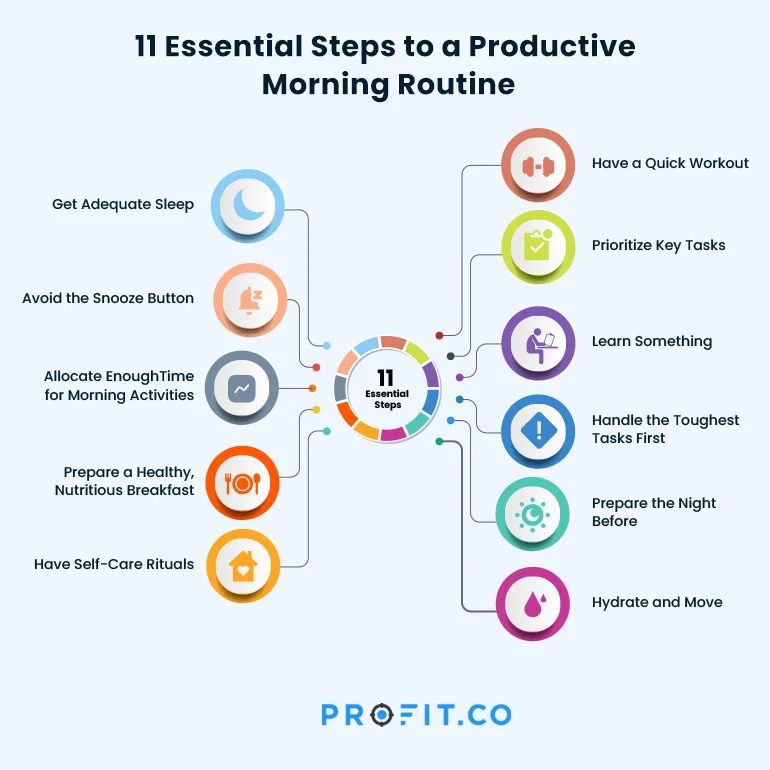
The first step toward building an effective morning routine is honest reflection on existing habits. For example, if the day often begins with reaching for coffee before eating, or if the alarm is snoozed multiple times, these patterns can undermine sustained energy. Identifying such tendencies clarifies where adjustments are necessary. This awareness enables the creation of a routine tailored to individual preferences and schedules, focusing on small but impactful changes rather than drastic overhauls that may be difficult to maintain.
Setting Realistic Timeframes for Each Activity
Many struggle with morning routines because they attempt to fit too many activities into a limited timeframe. Overly ambitious schedules can lead to frustration and eventual abandonment of the routine. Establishing reasonable time blocks for each morning practice—whether it’s eating, moving, or engaging in mental exercises—ensures consistency. For instance, allowing enough time to eat a nourishing breakfast before heading out can prevent rushed decisions that compromise energy levels. The key is balancing effectiveness with practicality to create habits that feel doable every day.
Incorporating Energy-Boosting Practices
Adding simple actions that directly boost energy can transform the morning experience. Eating a healthy breakfast rich in protein and fiber supports steady blood sugar and sustained energy. Drinking coffee after eating, rather than on an empty stomach, helps avoid sudden energy dips later. Physical movement is another critical component; even a brisk walk or light stretching can awaken the body and mind. Exposure to natural light in the morning further enhances alertness and mood. Together, these elements build a routine that fuels the entire day.
Key Elements to Enhance Focus Throughout the Day
The Role of Nutrition in Morning Energy
Nutrition plays a pivotal role in maintaining focus and energy. Starting the day without eating or relying only on caffeine can lead to mid-day energy crashes. A balanced breakfast that includes protein and fiber helps stabilize blood sugar and provides sustained fuel for the brain. Preparing quick options like overnight oats with berries and nut butter can simplify healthy eating, especially on busy mornings. Prioritizing nutrition early creates a foundation that supports concentration and cognitive function throughout the day.
Mental Exercises to Sharpen Concentration
Just as physical exercise wakes the body, mental exercises can enhance focus and cognitive sharpness. Simple practices such as mindfulness meditation, journaling, or setting clear intentions for the day assist in organizing thoughts and reducing stress. These mental activities stimulate brain function, helping improve attention span and productivity. Incorporating even a few minutes of such exercises encourages a calm yet alert mindset that carries forward during complex tasks.
Physical Activities to Wake Up Your Body and Mind
Movement in the morning is critical for both physical readiness and mental alertness. Lack of activity or time spent indoors reduces the natural energy boost the body receives from exercise and sunlight. Walking outdoors not only promotes circulation but also exposes the body to daylight, which regulates circadian rhythms. If morning walks are challenging to fit in, alternatives like bodyweight exercises or yoga at home can activate muscles and stimulate brain activity. These practices contribute to enhanced mood and sustained focus.
Tools and Techniques for Consistency
Using Alarms and Reminders Effectively
Consistency is essential for a successful morning routine, and alarms or reminders can reinforce this discipline. Instead of relying on repeated snoozes that extend grogginess, setting a single, well-timed alarm encourages immediate action. Pairing alarms with motivational prompts or reminders about the benefits of the routine can further increase adherence. This structured approach helps transform morning habits into automatic behaviors, making it easier to maintain energy and focus each day.
Tracking Progress and Adjusting Your Routine
Monitoring how different morning habits affect energy and productivity can guide routine refinement. Keeping a simple journal or using apps to track activities like breakfast intake, physical movement, and focus levels throughout the day provides insight into what works best. Over time, adjustments can be made to optimize the routine, such as shifting breakfast timing or incorporating new forms of exercise. This flexible approach supports continued improvement and sustainability.
Common Challenges and Solutions
Overcoming Morning Fatigue
Morning fatigue often arises from habits such as skipping breakfast, drinking coffee on an empty stomach, or failing to move and get sunlight. These choices can deplete energy reserves early. A practical solution involves eating a balanced breakfast before drinking coffee, ensuring the body receives nutrients first. Adding outdoor walks or light exercise stimulates circulation and boosts wakefulness. Preparing meals ahead of time, like overnight oats, can also prevent rushed or skipped breakfasts, which are common contributors to fatigue.
Staying Motivated on Busy or Stressful Days
Busy schedules and stress can disrupt morning routines, making it tempting to skip key activities. However, adapting routines to fit the day’s demands prevents loss of momentum. Simple adjustments, such as transferring movement to early lunch breaks or combining errands with walking, maintain activity without sacrificing time. Scheduling purposeful engagements during walks—for example, phone calls or podcasts—adds motivation. Choosing enjoyable, quick breakfast options removes barriers to nourishment. These strategies promote routine adherence even during challenging days.