





















Understanding Motivation Challenges in Home Workouts
Common Obstacles When Exercising Alone
Working out at home without a trainer presents unique hurdles that can affect your motivation. Unlike a gym setting, the home environment often lacks external stimuli and social interaction, making it easier to postpone or skip sessions. Distractions such as household chores, family demands, or simply the comfort of familiar surroundings can pull attention away from fitness goals. Moreover, without someone physically present to guide or encourage you, it’s common to struggle with self-discipline and hold back on pushing yourself during workouts.
Psychological Factors Affecting Consistency
Maintaining consistency requires more than just physical readiness; psychological elements play a significant role in motivation. Feelings of isolation, boredom, or frustration can diminish your enthusiasm. Additionally, expecting motivation to always be present can lead to disappointment when daily energy levels vary. Sometimes, negative thought patterns such as “I’m too tired” or “I don’t have enough time” interfere with commitment. Recognizing these mental barriers is the first step to creating strategies that foster steady adherence to home exercise routines.
Creating an Environment that Boosts Your Drive
Designing a Dedicated Workout Space at Home
Establishing a specific area for exercise is crucial for motivating yourself to work out regularly. When you lay out your equipment and designate a physical space free from distractions, it becomes easier to mentally transition into workout mode. This setup acts as a visual cue, reminding you that it’s time to focus on your fitness. Leaving workout essentials visible and accessible encourages spontaneous movement, turning your home into a place that supports your health goals rather than competing with them.
The Role of Music and Lighting in Motivation
Music and lighting significantly influence your mood and energy levels during exercise. Upbeat tunes can elevate your enthusiasm and help maintain pace, transforming a mundane workout into an enjoyable experience. Similarly, proper lighting—ideally bright and natural—stimulates alertness and positivity. By tailoring these sensory elements to your preferences, you create an inviting atmosphere that invites you to engage fully in your routines and pushes you to stay active even when motivation dips.
Goal Setting Techniques for Solo Exercise Success
SMART Goals for Home Fitness
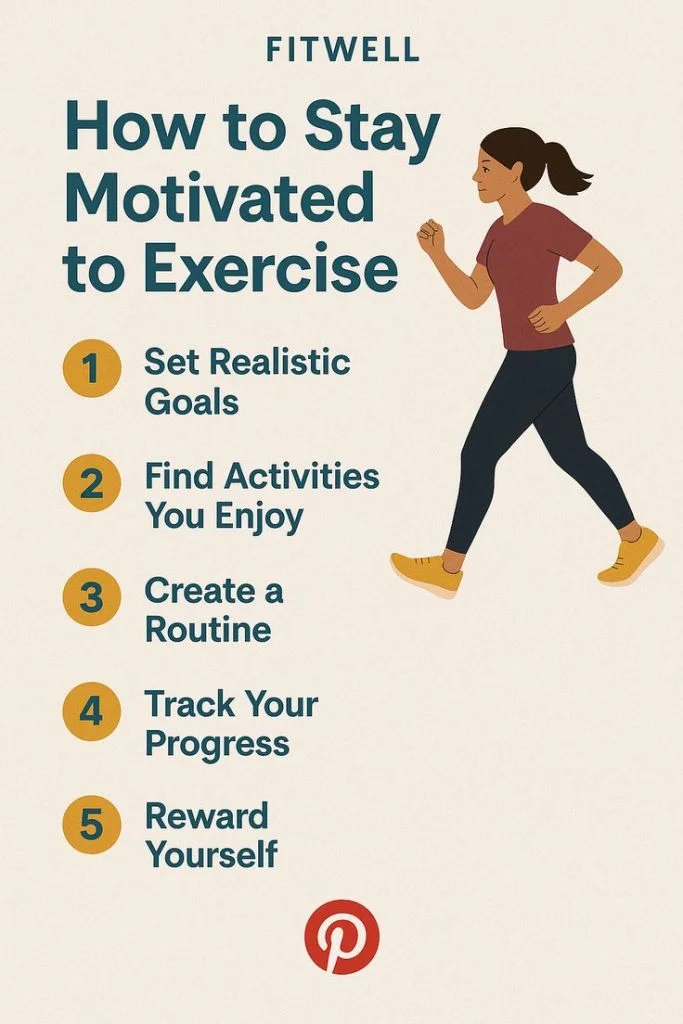
Setting actionable goals is vital to sustain motivation without a trainer’s input. The SMART framework—Specific, Measurable, Achievable, Relevant, and Time-bound—provides a clear structure to define what you want to accomplish. For example, instead of vaguely aiming to “exercise more,” a SMART goal might be to “complete three 30-minute cardio sessions per week for the next month.” Such clarity transforms intentions into tangible targets, making it easier to track progress and celebrate achievements.
Tracking Progress Without External Accountability
Without a trainer to oversee your efforts, self-monitoring becomes essential. This can be accomplished through journals, apps, or wearable devices that record workout duration, intensity, and improvements. Regularly reviewing these records reinforces a sense of accomplishment and holds you accountable to your commitments. Additionally, visual progress like improved endurance or strength adds positive reinforcement, encouraging continued participation despite challenges.
Incorporating Variety to Keep Workouts Engaging
Mixing Different Workout Styles and Routines
To prevent boredom and maintain enthusiasm, it’s important to diversify your exercise regimen. Rotating among cardio, strength training, flexibility exercises, and balance workouts stimulates different muscle groups and keeps your routine fresh. This variety not only enhances overall fitness but also reduces the mental fatigue that can accompany repetitive movements. Adapting workouts to fit your mood or energy levels offers flexibility, enabling you to stay consistent without feeling trapped by a rigid schedule.
Using Apps and Online Resources to Avoid Monotony
Technology provides valuable tools to enrich your home workouts. Fitness apps and online platforms offer guided sessions, challenges, and community support that mimic the motivational effects of a trainer. They help introduce new exercises and track your progression dynamically. Engaging with these resources can be especially helpful when your motivation wanes, as they offer structure, inspiration, and sometimes friendly competition to keep you committed.
Building a Support System Beyond a Trainer
Virtual Workout Communities and Challenges
Joining online fitness groups or participating in virtual challenges can replace some of the external motivation typically provided by a trainer. These communities foster a sense of belonging and shared purpose, which can be incredibly motivating. They provide opportunities to celebrate milestones, exchange tips, and receive encouragement. Regular interaction with others pursuing similar goals creates a supportive environment that nurtures accountability and drives consistent effort.
Involving Family or Friends for Encouragement
Incorporating loved ones into your fitness routine adds another layer of motivation. Exercising alongside family or friends makes activities more enjoyable and less isolating. Their presence offers emotional support and positive reinforcement, making it easier to push through moments of low motivation. Even simple gestures—like walking with a friend or cheering during children’s sports games while moving around—help maintain an active lifestyle and foster shared health goals.
Mindset Strategies to Sustain Long-Term Motivation
Positive Self-talk and Visualization Techniques
Maintaining a constructive internal dialogue can transform how you approach workouts. Encouraging yourself with affirmations and focusing on what you can achieve rather than limitations nurtures resilience. Visualization, such as imagining the satisfaction of completing a session or the long-term benefits of fitness, helps create a mental connection to your goals. These techniques build emotional investment, making it easier to engage voluntarily in exercise and persevere despite obstacles.
Handling Setbacks and Staying Accountable
Setbacks are inevitable but don’t have to derail your progress. Accepting that some days will be more challenging allows you to maintain perspective and avoid self-criticism. Distinguishing between necessary rest days and days when you simply need to push through helps balance recovery with consistency. Establishing routines, scheduling workouts like appointments, and creating motivating pre-workout rituals contribute to sustained accountability. Through persistence and adaptability, you reinforce habits that extend beyond temporary motivation.