





















Introduction to Improving Shoulder Flexibility with Yoga
Why Shoulder Flexibility Matters
Shoulder flexibility plays a crucial role in how we move and perform everyday activities. Whether you’re reaching for something on a high shelf, lifting objects, or simply maintaining good posture, flexible shoulders help reduce strain and prevent injuries. Limited shoulder mobility can lead to discomfort, stiffness, and even chronic pain over time. Improving this area not only enhances physical comfort but also supports overall upper body strength and alignment.
How Yoga Enhances Shoulder Mobility
Yoga offers a unique blend of stretching, strengthening, and mindful movement that targets the shoulders effectively. Unlike isolated stretching, yoga sequences combine dynamic movements with breath control, encouraging muscles and joints to open safely and gradually. This mindful approach helps ensure that you’re lengthening the right tissues without overstressing the joints, fostering sustainable flexibility and shoulder health.
Setting Realistic Goals for 4 Weeks
While some might hope to drastically transform flexibility overnight, true progress comes with patience and consistent practice. Over the next four weeks, the goal is to gently increase your shoulder range of motion, build supporting strength, and cultivate body awareness. By focusing on incremental improvements and functional flexibility, you’ll create lasting results that translate into everyday ease and comfort.
Week 1: Building a Strong Foundation
Beginner-Friendly Shoulder Opening Poses
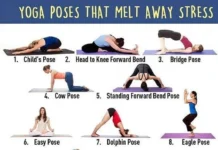
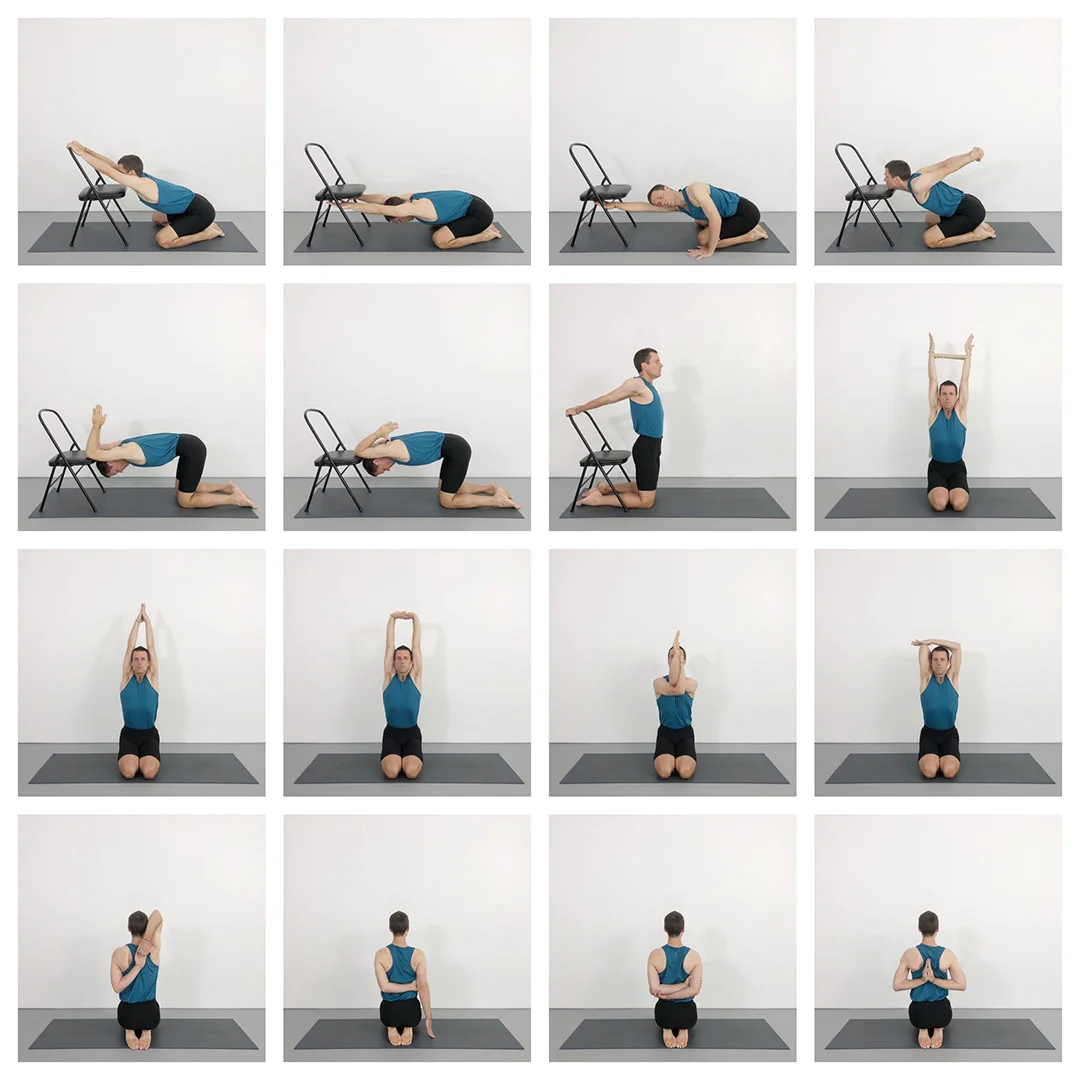
Starting with gentle, accessible poses is essential in the first week. Simple movements like Child’s Pose with extended arms, Cat-Cow stretches, and Thread-the-Needle pose help introduce the shoulders to new ranges without overwhelming them. These poses encourage muscle relaxation while incrementally opening the joint space. Consistency here sets the tone for deeper flexibility later.
Warm-Up Techniques to Prepare Your Shoulders
Before diving into stretches, warming up your shoulders primes them for movement. Incorporating rounds of Sun Salutations is a stellar way to do this. This sequence gently engages the whole body, especially the shoulders, through controlled stretches and strength work. Pairing warm-ups with slow, mindful breathing increases circulation, making the muscles more pliable and ready for the upcoming poses.
Week 2: Increasing Range of Motion Safely
Intermediate Shoulder Stretches and Holds
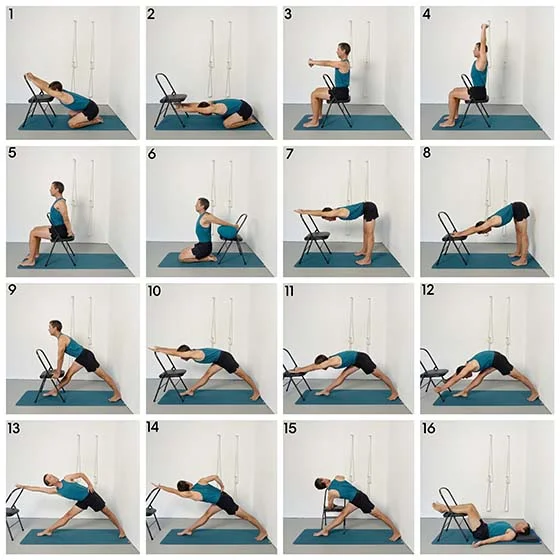
By the second week, you can explore poses that offer a slightly deeper stretch, such as Extended Puppy Pose and Eagle Arms. Holding these postures for multiple breaths helps build endurance and encourages the muscles surrounding the shoulder joint to relax and lengthen. It’s important to engage your core and maintain balanced weight distribution, especially in standing poses, to protect your joints during these stretches.
Common Mistakes to Avoid
A common pitfall at this stage is pushing too hard or forcing the shoulders beyond their comfortable range, which can cause strain or injury. Avoid overstretching muscles that are already flexible and be mindful not to place excessive body weight on vulnerable areas like the knees during poses such as Reverse Warrior. Instead, use your abdominal strength to distribute weight evenly and maintain stability. Remember, progress is made through steady, controlled movement rather than quick gains.
Week 3: Deepening Flexibility Through Dynamic Movement
Flow Sequences Targeting Shoulder Mobility
This week focuses on integrating dynamic flows that enhance shoulder openness. Combining movements such as Warrior II with Reverse Warrior and Side Angle Pose into a fluid sequence encourages your shoulders to move actively through different planes. Maintaining even weight distribution and engaging your core helps stabilize the upper body, allowing shoulders to stretch without compromising balance.
Breathing Techniques to Support Stretching
Breath plays an integral role in deepening stretches safely. Using slow, controlled breathing during these flows enhances body awareness and fosters relaxation in the muscles. Gradually deepening each stretch with every exhale allows the shoulder muscles to release tension and lengthen naturally. This mindful breathing also contributes to better endurance, helping you hold poses for multiple rounds of breath which builds both flexibility and strength.
Week 4: Advanced Poses and Maintenance Strategies
Challenging Shoulder Flexibility Poses
In the final week, you can attempt more advanced poses like Cow Face Pose arms, Gomukhasana, or the shoulder-opening version of Downward Dog with heels reaching toward the floor. These postures demand more mobility but remain safe when approached mindfully. Holding them for longer durations — around 6 to 8 breaths per side — builds endurance while promoting deeper shoulder openness. Pay close attention to your body’s signals and avoid forcing any movement.
How to Maintain Progress Long-Term
Flexibility gains are best preserved through ongoing practice and smart maintenance. Incorporating these shoulder-focused stretches several times a week, combined with regular rest and recovery, helps prevent stiffness from returning. Pay attention to your daily activities and posture, and continue using breathing techniques to support flexibility and stability. Over time, these habits will keep your shoulders healthy, mobile, and pain-free.
Additional Tips for Shoulder Health
Incorporating Rest and Recovery
Rest is just as important as practice when it comes to flexibility. Muscles and tendons need time to heal and adapt to new ranges of motion. Be sure to include days of gentle movement or complete rest in your routine to avoid overuse injuries. Listening to your body and adjusting intensity accordingly will keep your shoulder progress steady and safe.
When to Consult a Professional
If you experience persistent shoulder pain, sharp discomfort, or limited mobility despite your yoga practice, it’s wise to seek advice from a healthcare provider or experienced physical therapist. They can help identify any underlying issues and tailor a program specific to your needs. Yoga is a wonderful tool for flexibility, but sometimes professional guidance ensures that you’re practicing in the safest and most effective way possible.