





















Understanding Hidden Sugars: The Keto Challenge
Defining Hidden Sugars and Their Impact on Keto
When you’re following a keto diet, the main focus is on keeping your carbohydrate intake low enough to maintain ketosis. However, one of the biggest obstacles many face is the presence of hidden sugars in everyday foods. These sugars can sneak into your diet under various guises, easily pushing your carb count over the limit without you realizing it. Hidden sugars aren’t always obvious — they can be naturally occurring or added during processing, making it tricky to spot them at a glance. Their impact is significant because even small amounts can disrupt ketosis, making your efforts less effective or even causing unwanted weight gain.
Common Sources of Hidden Sugars in Everyday Foods
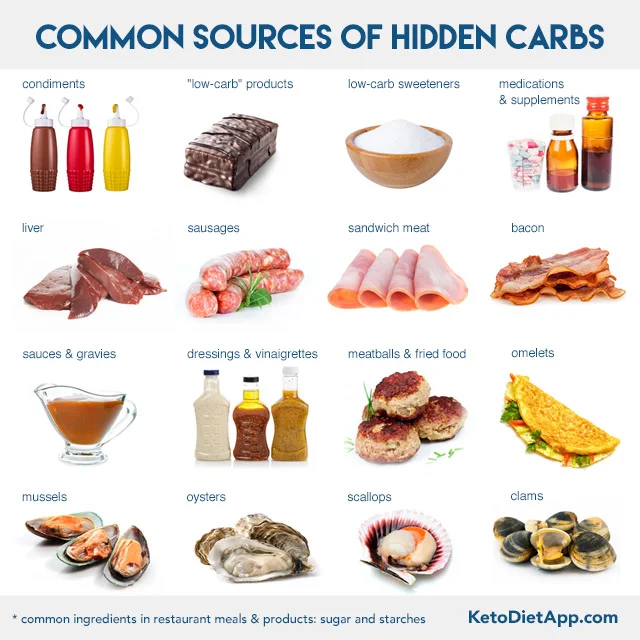
Hidden sugars are not just confined to sweets and desserts. They show up in many surprising places. For instance, salad dressings, sauces, and flavored yogurts often contain added sugars to enhance taste. Even some dairy or plant-based milk alternatives have sugar content that’s easy to overlook. Packaged keto-labeled or low-carb branded products can also contain sugar alcohols or syrups that impact your carb count. Understanding where these sugars hide can help you make smarter choices and stay on track.
Labels and Ingredients: Your First Line of Defense
Decoding Nutrition Facts to Spot Sugars
Nutrition labels are your best resource when scanning for hidden sugars, but they can be confusing. It’s important to check both the total sugars and added sugars listed. While total sugars include both natural and added sugars, the added sugars figure reveals what’s been put in during processing. Keep in mind that serving size can be misleading; manufacturers sometimes list unusually small portions to make the carb count appear lower. Scrutinizing the serving size alongside sugar content will give you a clearer picture.
Uncommon Names for Sugar to Watch Out For
Sugar often disguises itself under many names on ingredient lists. Common culprits include cane sugar, corn syrup, and honey, but it goes beyond these. Ingredients ending in “-ose” such as fructose, dextrose, and maltose are sugars too. Less obvious terms like maltodextrin, molasses, or fruit juice concentrate can also add unwanted carbs. Additionally, terms that hint at added sugar, such as “glazed,” “caramelized,” or “candied” indicate extra sweetening even if “sugar” isn’t explicitly listed.
Hidden Sugars in Popular Keto-Friendly Foods
Vegetables and Fruits: Natural Sugars vs Added Sugars
Whole vegetables and fruits form the bedrock of many keto meals, but even these can have hidden sugars. Naturally occurring sugars in fruits can add up quickly, so choosing low-sugar varieties like berries is preferable. For vegetables, those that grow above ground tend to be lower in carbs. However, some processed vegetable products or pre-cut mixes may include added sugars in the packaging or preservatives. It’s wise to stick with whole, unprocessed produce when possible.
Packaged Snacks and Condiments Commonly Used in Keto
Keto-friendly snacks and condiments are convenient but often sneaky sources of sugar. Protein bars, nut butters, salad dressings, and marinades can contain sugar or sugar alcohols that aren’t immediately obvious. Protein bars, for example, might use maltitol or erythritol which affect your carb count differently. Moreover, “no sugar added” claims don’t guarantee zero sugars; reading labels thoroughly helps avoid being misled. Checking the balance of protein to sugar content can steer you towards better options.
Practical Tools and Tips for Identifying Hidden Sugars
Using Apps and Websites for Tracking Sugar Intake
Technology can be a great ally in your keto journey. Many apps are designed to scan barcodes and analyze ingredients, giving you quick insight into sugar content. These tools offer real-time feedback and can alert you to hidden sugars or sugar alcohols that might slow your progress. Using trusted keto-specific apps also helps you keep your carb count within a safe range of 20-50 grams per day. Over time, these habit-forming tools make label reading second nature.
How to Develop a Habit of Reading Food Labels Thoroughly
Building the habit of reading labels effectively takes practice but pays off in the long run. Begin by always starting with the ingredient list before looking at the nutrition facts—it shows you the food’s composition upfront. Focus on the first five ingredients because they make up the bulk of the product. Be wary of ingredients like modified food starch or tapioca starch, which can add hidden carbs. Over time, recognizing common sugar aliases and portion size tricks becomes intuitive, helping you make better, informed decisions effortlessly.
Adjusting Your Keto Diet to Avoid Hidden Sugars
Substitutes for High-Sugar Ingredients
A key strategy for avoiding hidden sugars is swapping out problematic ingredients with keto-compatible alternatives. For instance, instead of using honey or agave syrup, natural sweeteners like stevia or monk fruit extract can help keep sweetness without the carbs. When cooking or baking, pure vanilla extract or cinnamon can enhance flavor without the added sugar. Choosing whole foods such as meats, eggs, and leafy greens naturally reduces sugar intake, helping you maintain ketosis with less guesswork.
Meal Planning Strategies to Minimize Sugar Exposure
Careful meal planning is essential to minimize exposure to hidden sugars. Preparing meals at home allows you to control what goes into your dishes. When buying packaged foods, always check labels beforehand and stick to products with minimal and recognizable ingredients. Portion control also plays a role, as adhering to recommended serving sizes helps prevent accidental sugar overload. Balancing your plate with protein, healthy fats, and low-carb vegetables ensures you stay within your daily carb limit while enjoying varied and satisfying meals.