






















Understanding the Importance of Open Communication in Intimacy
Why Discussing Intimacy Needs Matters
Imagine Sarah and James, a couple who have been together for several years. Despite their deep affection, they often feel disconnected in their intimate life. This gap wasn’t because of a lack of desire but stems from the absence of open conversations about their needs and preferences. Discussing intimacy openly allows partners to align their desires, explore new experiences together, and ultimately strengthen their emotional and physical connection. It’s not just about physical acts but about understanding each other’s feelings, boundaries, and expectations, cultivating deeper trust and satisfaction.

Common Barriers to Talking About Intimacy
Many couples struggle to discuss intimacy due to societal taboos, fear of judgment, or uncertainty about how to start the conversation. For example, Mark hesitated to express his fantasies because he feared rejection, while Emily avoided the topic fearing it might upset her partner. These barriers often include embarrassment, past negative experiences, or simply not knowing the right words. Recognizing these obstacles is the first step in overcoming them, paving the way for more authentic and vulnerable exchanges.
Identifying Personal Vulnerabilities in Intimate Conversations
Recognizing Feelings of Shame and Fear
Vulnerability in intimacy conversations often surfaces as shame or fear. Take Nina, who felt embarrassed to admit her insecurities about physical intimacy after a past relationship. Such emotions are common and rooted in personal histories or cultural conditioning. Recognizing these feelings rather than suppressing them can empower individuals to approach conversations with compassion toward themselves and their partners.
How Vulnerability Impacts Communication
When Alex shared his fears about not meeting his partner’s expectations, it initially caused tension but ultimately led to a breakthrough. Vulnerability can feel uncomfortable because it exposes our insecurities, yet it also fosters genuine connection. It allows partners to move beyond surface-level talks and engage in meaningful dialogue. Embracing vulnerability can transform intimacy discussions from a source of anxiety into opportunities for mutual growth and trust.
Step-by-Step Guide to Approaching Intimacy Discussions
Preparing Yourself Emotionally
Before diving into deep conversations about intimacy, preparation is key. Take Rebecca’s approach: she chose to reflect on her own needs and fears beforehand, journaling thoughts to clarify what mattered most to her. Emotional readiness involves calming the mind and acknowledging any nervousness. This preparation helps create a mindset of openness rather than defensiveness.
Choosing the Right Time and Place
Timing can make or break intimacy talks. James and Sarah found success discussing their needs during quiet weekend mornings when distractions were minimal, rather than rushing through conversations late at night. Avoiding moments right after sex or during stress ensures both partners feel comfortable and focused. A relaxed atmosphere, such as a slow car ride or intimate dinner, can invite openness and honest sharing.
Using “I” Statements to Express Needs
When Jamie wanted to communicate her desire for more affection, she framed it as “I feel loved when we hold hands,” instead of pointing fingers. Using “I” statements shifts the focus to personal experience rather than blame, reducing defensiveness. This approach encourages partners to listen empathetically, recognizing the speaker’s feelings without feeling attacked.
Non-Verbal Techniques to Enhance Intimacy Conversations
Body Language Cues That Foster Safety
Often, what’s not said verbally matters just as much. When Tina spoke about her needs, her partner maintained gentle eye contact, nodded, and kept an open posture, which made her feel safe and heard. These subtle non-verbal cues communicate attentiveness and empathy, creating an environment where vulnerability can flourish.
Listening with Empathy and Presence
During intimacy talks, active listening involves more than just hearing words. For example, when Mark shared his feelings, Emma responded by reflecting back what she heard and asking thoughtful follow-ups like, “How did that make you feel?” This practice shows genuine interest and validates emotions, encouraging deeper dialogue and true emotional presence.
Building Trust to Reduce Vulnerability
Creating a Judgment-Free Space
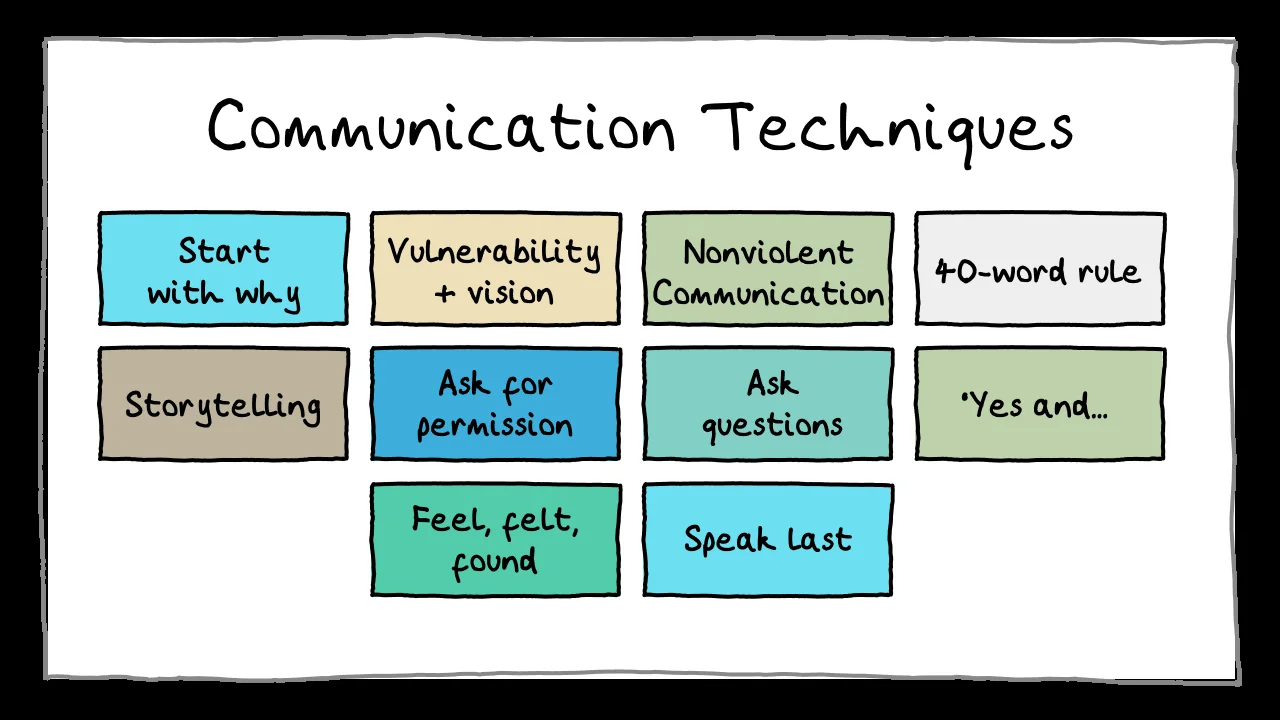
Trust blossoms when both partners feel safe from criticism. Rachel and Leo built this by agreeing that no matter what was shared, it would be met with respect and understanding. Eliminating judgment means welcoming honest disclosures without interrupting or offering immediate solutions, allowing each other to be authentic without fear.
Practicing Patience and Active Listening
Trust doesn’t develop overnight. When Olivia hesitated to express her needs, her partner gently encouraged her with patience and consistent listening rather than pressuring her. Time, graceful acceptance, and steady support help partners feel secure enough to open up. It’s a gradual journey that nurtures confidence to explore vulnerability together.
Practical Communication Exercises for Couples
Role-Playing Scenarios
To practice discussing sensitive topics, couples like Michael and Aisha engaged in role-playing exercises where they took turns expressing needs and responding empathetically. This technique reduces anxiety by simulating conversations in a safe environment, allowing partners to find comfortable language and reactions before real situations arise.
Daily Check-ins for Emotional Connection
Simple, daily emotional check-ins can build intimacy over time. Jason and Mia started asking each other “What do you enjoy most about our time together today?” These moments of sharing create regular opportunities for connection, keeping lines of communication open and reinforcing emotional safety.
Expert Tips for Maintaining Long-Term Intimacy Dialogue
Regularly Revisiting Intimacy Needs
Intimacy needs evolve, so revisiting them periodically is vital. Emma and Lucas made it a habit to casually revisit their desires each month, which helped them adapt and avoid misunderstandings. Such ongoing conversations ensure that both partners feel heard and valued as their relationship grows.
Handling Disagreements Without Conflict
Disagreements about intimacy can arise, but handling them with respect makes all the difference. When disagreements occurred, Sophia and Noah focused on discussing emotions behind their needs rather than attacking each other’s character. Using positive, collaborative language turned potential conflicts into opportunities for mutual problem-solving and deeper understanding.