
























Understanding the Importance of Family Meeting Routines
How Regular Meetings Impact Communication
Regular family meetings create a structured opportunity for members to share thoughts and feelings openly. These conversations build trust and reduce misunderstandings. When family members come together consistently, communication becomes more natural and less reactive. It shifts from addressing conflicts to preventing them through ongoing dialogue.
The Role of Cooperation in Family Dynamics
Cooperation is the foundation of a harmonious household. Family meeting routines encourage collaboration by involving everyone in decision-making. This shared responsibility fosters respect and understanding. In turn, cooperation strengthens relationships and promotes a supportive environment where each member feels valued.
Steps to Establish Effective Family Meetings
Choosing the Right Time and Place
Scheduling family meetings at consistent, convenient times helps ensure attendance and focus. Selecting a comfortable, distraction-free setting is equally important. A familiar spot, such as the kitchen table or living room, invites participation. Avoid times when members are rushed or tired to keep energy positive.
Setting Clear Objectives and Agendas
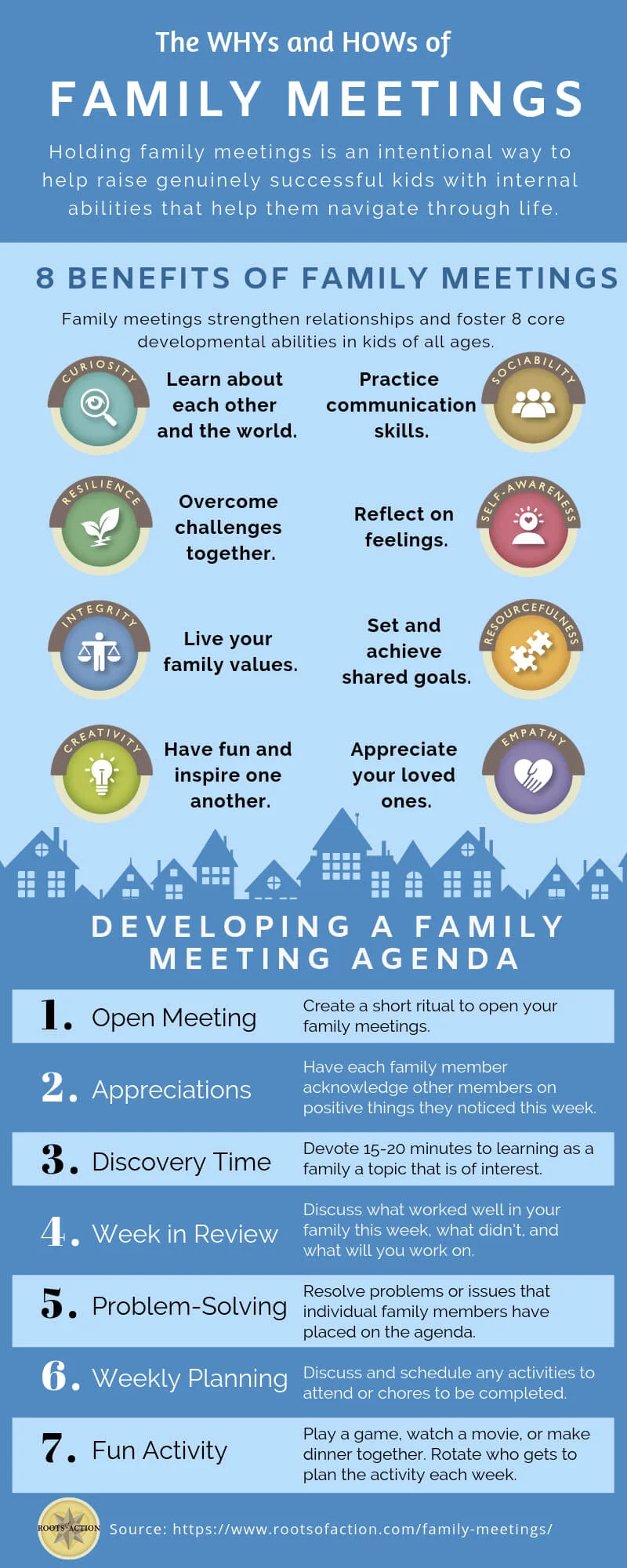
Clear goals guide the meeting’s flow and keep discussions productive. Preparing an agenda in advance allows everyone to understand the topics to be covered. Posting it on a common area like the refrigerator invites additions throughout the week. This openness encourages active engagement and preparation.
Involving Every Family Member
Every voice matters in a family meeting. Encouraging contributions from all ages builds inclusion and respect. Younger children can participate through simple activities like reading meeting steps or sharing compliments. Establishing ground rules such as no interruptions ensures that each member has equal opportunity to speak.
Techniques to Foster Open and Respectful Communication
Active Listening Strategies
Active listening is essential for effective communication in family meetings. This means fully concentrating on the speaker, acknowledging their message, and responding thoughtfully. Using techniques like nodding or paraphrasing shows attentiveness. This practice helps family members feel heard and valued.
Encouraging Positive Feedback and Constructive Criticism
Family meetings should balance honesty with kindness. Starting sessions with compliments or appreciations creates a positive atmosphere. When discussing challenges, focus on constructive criticism rather than blame. Writing down suggestions and working toward fair solutions promotes cooperation and mutual respect.
Activities and Tools to Encourage Cooperation
Collaborative Problem-Solving Exercises
Engaging the family in solving problems together strengthens teamwork. Brainstorming sessions encourage wild ideas before narrowing down reasonable options. Using a talking stick can ensure everyone takes turns contributing. This method teaches patience and openness to different perspectives.
Using Visual Aids and Family Calendars
Visual tools help organize family commitments and goals clearly. Calendars displayed in common spaces allow members to track events and deadlines. Visual reminders of agreements and agendas help reinforce commitments. These tools keep everyone aligned and accountable.
Overcoming Common Obstacles in Family Meetings
Dealing with Resistance and Distractions
Resistance often arises when meetings feel like chores or reprimands. Reframing meetings as opportunities to celebrate and connect reduces reluctance. Including refreshments or fun activities makes the experience enjoyable. Minimizing distractions by turning off devices helps maintain focus.
Maintaining Consistency and Motivation
Consistency is key to establishing productive routines. Starting with short meetings, especially for young children, prevents burnout. Setting follow-up dates encourages accountability and shows progress. Recognizing improvements and celebrating successes keeps motivation high over time.
Measuring the Impact of Family Meeting Routines
Tracking Improvements in Communication Skills
Observing how family members listen and respond during meetings reveals growth in communication. Increased openness and reduced interruptions indicate progress. Regularly reflecting on these changes can reinforce positive habits and guide adjustments.
Evaluating Cooperation Through Shared Goals
Setting and achieving shared goals is a tangible measure of cooperation. Successful resolution of family issues and collaborative decision-making demonstrate effectiveness. Revisiting agreements and tracking whether solutions are upheld helps maintain a cooperative spirit within the family.