























Introduction to Toddler Potty Training
Understanding the Emotional Challenges
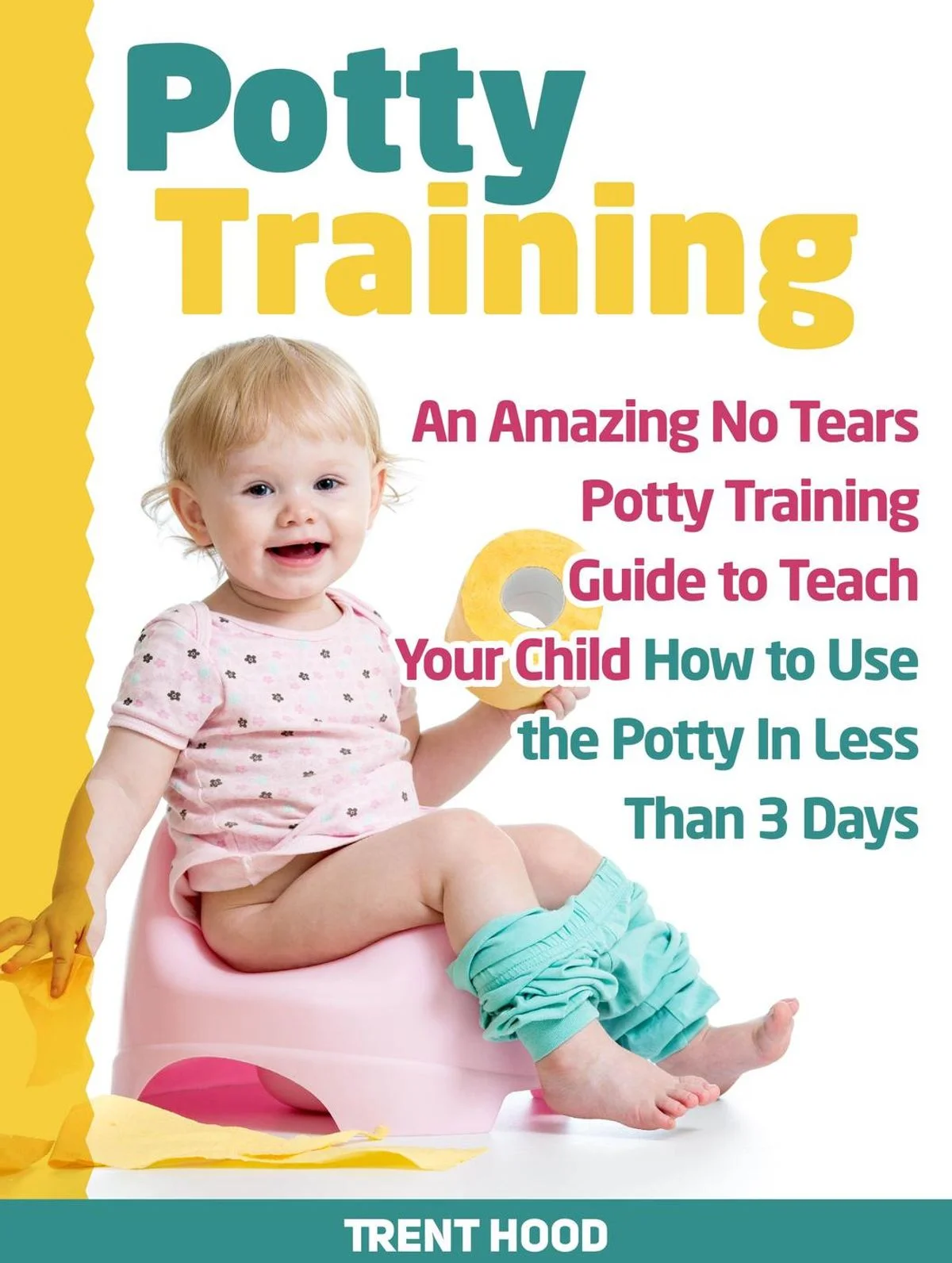
Potty training can be a milestone filled with a mix of excitement and anxiety for both toddlers and parents. Toddlers, who are learning to assert independence, may feel uncertain or even fearful about this new experience. Parents often worry about how to approach training without causing distress or tears. It’s a deeply emotional process because it involves shifting from the comfort of diapers to the unfamiliar territory of the toilet, which can be intimidating for a small child. Recognizing these emotional hurdles is the first step toward a gentle and successful potty training journey.

Benefits of Tear-Free Training
Choosing a tear-free approach not only preserves the child’s confidence but also strengthens the parent-child bond. When toddlers feel safe and supported, they are more likely to embrace the process willingly. Parents who avoid forceful methods often find the training period shorter and less stressful. For example, a mother shared how her son quickly adapted after introducing the potty during playtime, turning the experience into a fun and empowering adventure. Tear-free training helps prevent power struggles and builds healthy habits that last a lifetime.
Preparation for Potty Training
Recognizing Readiness Signs
Before diving into potty training, it’s crucial to identify when your toddler is ready. Signs include staying dry for longer periods, showing interest in bathroom habits, or communicating discomfort with dirty diapers. For instance, a father noticed his daughter pulling at her diaper and pointing to the potty; that was his signal to start introducing the concept gradually. Pressuring a child who isn’t ready often leads to frustration, so patience is key. Asking yourself questions about your child’s physical and emotional readiness helps set a solid foundation.
Choosing the Right Equipment
Gathering the proper tools ahead of time makes the process seamless. A child-sized potty or a toilet seat adapter with a sturdy step stool can build confidence by giving the toddler a sense of control. One family switched from a separate potty to a toilet seat insert once their son grew more comfortable, which helped avoid confusion when out of the house. Having extra underwear, paper towels, and cleaning supplies ready reassures parents and allows quick handling of accidents, minimizing stress for everyone.
Creating a Positive Environment
Positive associations with the bathroom set the tone for successful training. Spending casual time together in the bathroom, perhaps reading a favorite book or singing songs while sitting calmly on the potty, reduces anxiety. A mom recalled how her daughter’s laughter during these relaxed moments transformed the potty from a scary place into a familiar one. Bright colors, fun-themed towels, or a favorite toy nearby can also encourage a welcoming atmosphere that invites curiosity and comfort.
Step 1: Introducing the Concept
Storytelling and Role Models
Children learn by observation, so sharing stories about potty use or involving older siblings can be impactful. A dad told how his son watched his older sister use the toilet and wanted to “do it like her,” making the initial introduction natural and motivating. Parents can create simple stories or even role-play with dolls to explain the process, turning an unfamiliar concept into one the child understands and eagerly participates in.
Using Books and Videos
Books and videos tailored for toddlers serve as excellent tools to reinforce potty training ideas. Titles featuring relatable characters and fun illustrations capture attention and make learning enjoyable. One mother noted her son’s excitement each time they read a potty-themed story before bedtime, helping him feel prepared and less frightened. Visual media can also introduce the sequence of using the toilet, handwashing, and flushing, providing practical knowledge in a gentle way.
Step 2: Establishing a Routine
Setting Regular Potty Times
Consistency helps toddlers understand what to expect. Setting regular times for sitting on the potty—such as after meals or waking up—creates a rhythm that aligns with their natural body cues. For example, a family made it a habit to have their child sit on the potty right after breakfast, leading to fewer accidents and growing confidence. Using a timer can help children stay seated for a few minutes, turning waiting into a simple game that reinforces routine.
Encouraging Communication Skills
Helping toddlers express their need to use the bathroom is vital. Teaching simple words, signs, or gestures empowers them to communicate effectively. A parent shared how her son started using a picture card to let her know he needed to go, which prevented frustration for both. Encouraging any form of communication—not waiting for perfect speech—builds cooperation and helps the child feel understood and supported.
Step 3: Practical Training Techniques
Demonstrations and Encouragement
Demonstrating how to use the toilet can demystify the process. Parents often find success by showing their child how to sit, wipe, flush, and wash hands in a patient and encouraging way. A grandmother recounted teaching her grandson by letting him watch her use the toilet and then guiding him through each step with smiles and praise. Positive reinforcement, like a joyful clap or verbal acknowledgment, motivates toddlers to try again.
Reward Systems that Motivate
Reward systems should be chosen thoughtfully. Instead of using high-demand items that might cause upset when removed, small tokens like stickers or extra playtime work well. One toddler responded well to earning a special story reading whenever he used the potty independently. It’s important to provide praise for progress and not just success, ensuring rewards encourage rather than pressure.
Step 4: Handling Accidents Compassionately
Staying Calm and Supportive
Accidents are inevitable, and how parents react can shape a toddler’s attitude towards potty training. Remaining calm and reassuring communicates that mistakes are part of learning. A mother detailed how she would gently clean up and say, “No worries, we’ll try again,” which helped her child feel safe and motivated rather than embarrassed or scared. Reprimanding after accidents often prolongs resistance and tears.
Teaching Hygiene Without Pressure
Accident cleanup can also be a learning opportunity. Encouraging toddlers to wash their hands or help tidy up fosters independence and responsibility. However, pushing too hard can cause frustration. For example, a parent allowed her son to choose a fun hand soap and taught him to sing a short song while washing, making hygiene a fun routine rather than a chore.
Step 5: Gradual Transition to Independence
Allowing Self-Management
As toddlers become more confident, giving them space to manage parts of the process supports autonomy. Letting them pull down their own pants or flush the toilet contributes to their sense of accomplishment. A father shared how his daughter proudly told him she wanted to handle “everything by myself,” and respecting that led to faster potty independence. Encouragement rather than control helps children feel trusted.
Recognizing Milestones
Celebrating small achievements, from telling when they need the bathroom to staying dry for longer stretches, is important. Parents can mark these milestones with words of affirmation or a quiet high-five. Recognizing progress fuels motivation and helps parents gauge readiness to move towards full potty independence. Some toddlers may require longer intervals between potty sits; tracking progress can clarify the best pace.
Common Challenges and How to Overcome Them
Dealing with Regression
Setbacks such as returning to diapers or frequent accidents are common and not signs of failure. Life changes, like starting daycare or a new sibling, can trigger regression. One mother found that maintaining a calm attitude and gently reintroducing routines helped her son regain confidence without tears. Avoiding punishment and reverting to encouragement is key to overcoming these bumps in the road.
Managing Nighttime Training
Nighttime dryness usually follows daytime success but requires patience. Some toddlers take longer to develop bladder control during sleep. Parents can reduce liquids before bedtime and use waterproof mattress covers to ease stress. A father shared his strategy of praising dry mornings and reassuring his daughter if nighttime accidents occurred, emphasizing this as part of a natural timeline rather than a failure.
Conclusion
Celebrating Successes Without Tears
Potty training is a significant developmental milestone that benefits from patience, encouragement, and understanding. Approaching it without tears ensures that toddlers build positive associations with toilet use and gain confidence in their growing independence. Parents who create supportive environments, recognize readiness, and respond compassionately to accidents foster a smooth and successful transition. Every small step matters, and celebrating these wins keeps the journey joyful and empowering for both child and caregiver.