




















Understanding Progressive Intensity in Home Workouts
What Is Progressive Overload?
Progressive overload is a fundamental principle in fitness that involves gradually increasing the demands on your muscles to stimulate growth and strength gains. When working out at home without weights, this principle still applies. Instead of adding external resistance, you increase the intensity by tweaking other variables such as repetitions, exercise difficulty, or resting periods. By consistently challenging your body in manageable increments, you avoid plateaus and continue making progress.
Benefits of Increasing Workout Intensity Without Equipment
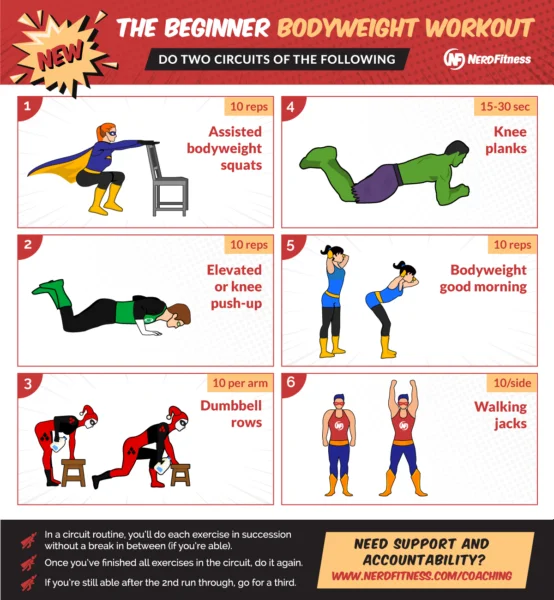
Choosing to boost workout intensity without relying on weights has several advantages. For one, bodyweight exercises can be done anytime, anywhere, which makes them incredibly convenient and accessible. Without heavy equipment, there’s less stress on your joints, reducing injury risks and making workouts suitable for a broader range of fitness levels.
Moreover, increasing intensity through bodyweight exercises encourages engagement of stabilising muscles that might not be targeted when using machines or free weights. This can lead to improved balance and overall functional strength. For busy individuals, these workouts can be quick yet highly effective, combining elements of strength, stability, and cardiovascular fitness.
Methods to Amplify Workout Intensity Safely
Adjusting Repetitions and Sets
One of the simplest ways to increase workout intensity is by modifying the number of repetitions and sets. If you start with 10 push-ups in two sets, try building up to three or four sets, or increase the total reps per set gradually. This incremental approach challenges your muscles without overwhelming them.
However, it’s important to avoid rushing through reps just to hit numbers. Maintaining proper form is crucial to prevent injury and ensure the right muscles are targeted. Increasing volume over time keeps your sessions productive and progressive.
Decreasing Rest Intervals for Greater Challenge
Another effective method is to shorten the rest periods between sets. Reducing recovery time forces your body to work harder to keep up, boosting cardiovascular endurance and muscular stamina. For example, if you usually rest for 60 seconds between exercises, cutting it down to 30 or 40 seconds can significantly raise the workout’s intensity.
This approach benefits overall fitness by promoting better heart health and adding an element of metabolic conditioning. But always listen to your body—if shorter rests lead to poor form or excessive fatigue, adjust accordingly.
Enhancing Exercise Complexity and Form
As your strength and coordination improve, adding complexity to movements is a natural way to increase intensity. For example, moving from regular push-ups to decline or diamond push-ups demands more strength and stability. Similarly, progressing from basic squats to pistol squats challenges balance and control.
Focusing on perfecting technique and engaging the core during each exercise not only makes the movement safer but also activates more muscle groups. This helps you get more out of each session without needing weights.
Bodyweight Exercises Perfect for Progressive Overload
Push-Up Variations to Boost Upper Body Strength
Push-ups are a staple of home workouts. Starting with standard push-ups, you can progressively make them tougher by changing hand placements or body angles. Incline push-ups are great for beginners, while decline and plyometric push-ups add a power component for advanced trainees.
By adjusting these variations, you continuously challenge upper body muscles like the chest, shoulders, and triceps. This progressive strategy keeps your muscles adapting and growing stronger over time.
Lower Body Moves: Squats, Lunges, and Beyond
Lower body workouts can be equally challenging without weights. Begin with bodyweight squats, then try single-leg lunges or Bulgarian split squats to target muscles more intensively. These exercises also improve balance and coordination, which are essential for overall fitness.
Advanced variations like jumping squats or walking lunges increase the cardiovascular component, turning strength exercises into dynamic workouts that engage multiple muscle groups simultaneously.
Core Workouts That Grow Harder Over Time
Core strength is vital for overall fitness and injury prevention. Start with basics like planks and crunches. As you progress, increase hold times on planks or incorporate variations such as side planks and plank reaches to enhance difficulty.
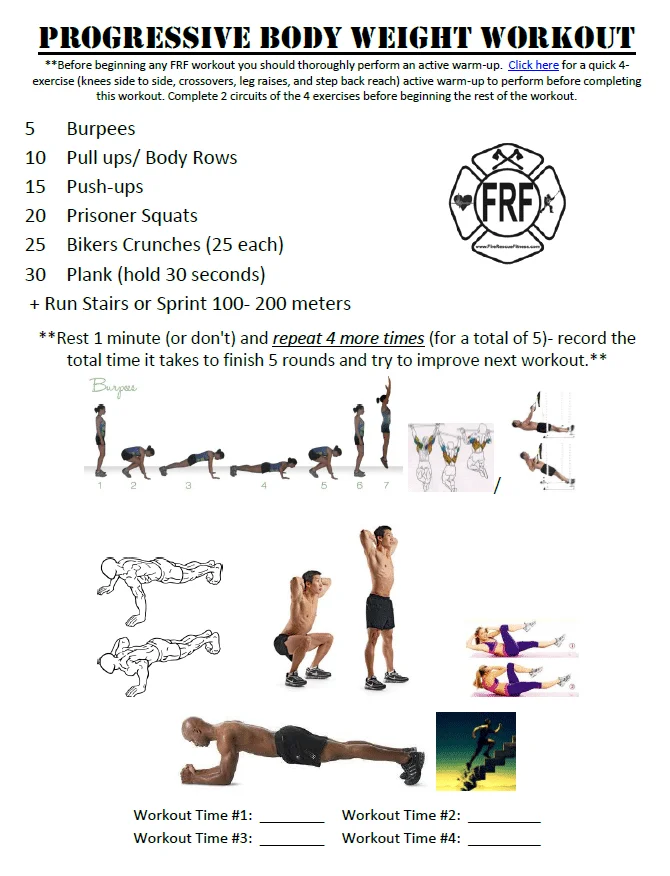
Leg raises and bicycle crunches can also be intensified by controlling tempo or adding isometric holds. This not only builds endurance but also promotes better posture and stability throughout everyday movements.
Utilizing Tempo and Time Under Tension
Slowing Down Movements for Muscle Growth
One often overlooked way to increase intensity is by controlling the speed of each movement. Slowing down the eccentric (lowering) phase of an exercise places muscles under tension longer, increasing the effort needed and promoting muscle growth.
For example, taking three to five seconds to lower yourself during a push-up before pushing back up makes the exercise more challenging without adding weight. This technique enhances muscle engagement and forces your body to adapt over time.
Isometric Holds to Intensify Bodyweight Exercises
Integrating isometric holds into your routine can significantly boost workout intensity. Pausing at the bottom of a squat or holding the plank position longer recruits more muscle fibers and increases endurance.
These static contractions develop strength and stability while offering a mental challenge as well. Using isometric holds strategically throughout your workout can prevent plateaus and make bodyweight exercises feel more demanding.
Tracking Progress and Staying Motivated
How to Monitor Workout Intensity Without Weights
Without the straightforward metric of added weight, tracking intensity may feel tricky. However, you can monitor progress by noting how many reps or sets you complete, how long you hold isometric positions, or how quickly you reduce rest times.
Keeping a workout journal or using fitness apps can help you visualize improvements. Pay attention to changes in endurance, form, or ease of completing exercises—these are signs your intensity is increasing effectively.
Setting Realistic Goals for Incremental Improvement
Setting small, achievable goals is key to maintaining motivation when progressing workouts without equipment. Instead of aiming for drastic changes overnight, focus on incremental improvements—like adding two more push-ups or decreasing rest by five seconds.
This approach promotes consistency and prevents burnout. Celebrating these little milestones fuels your commitment and helps make progressive overload a sustainable part of your fitness journey.