






















Understanding the Basics of Skincare Layering
Why Order Matters in Skincare
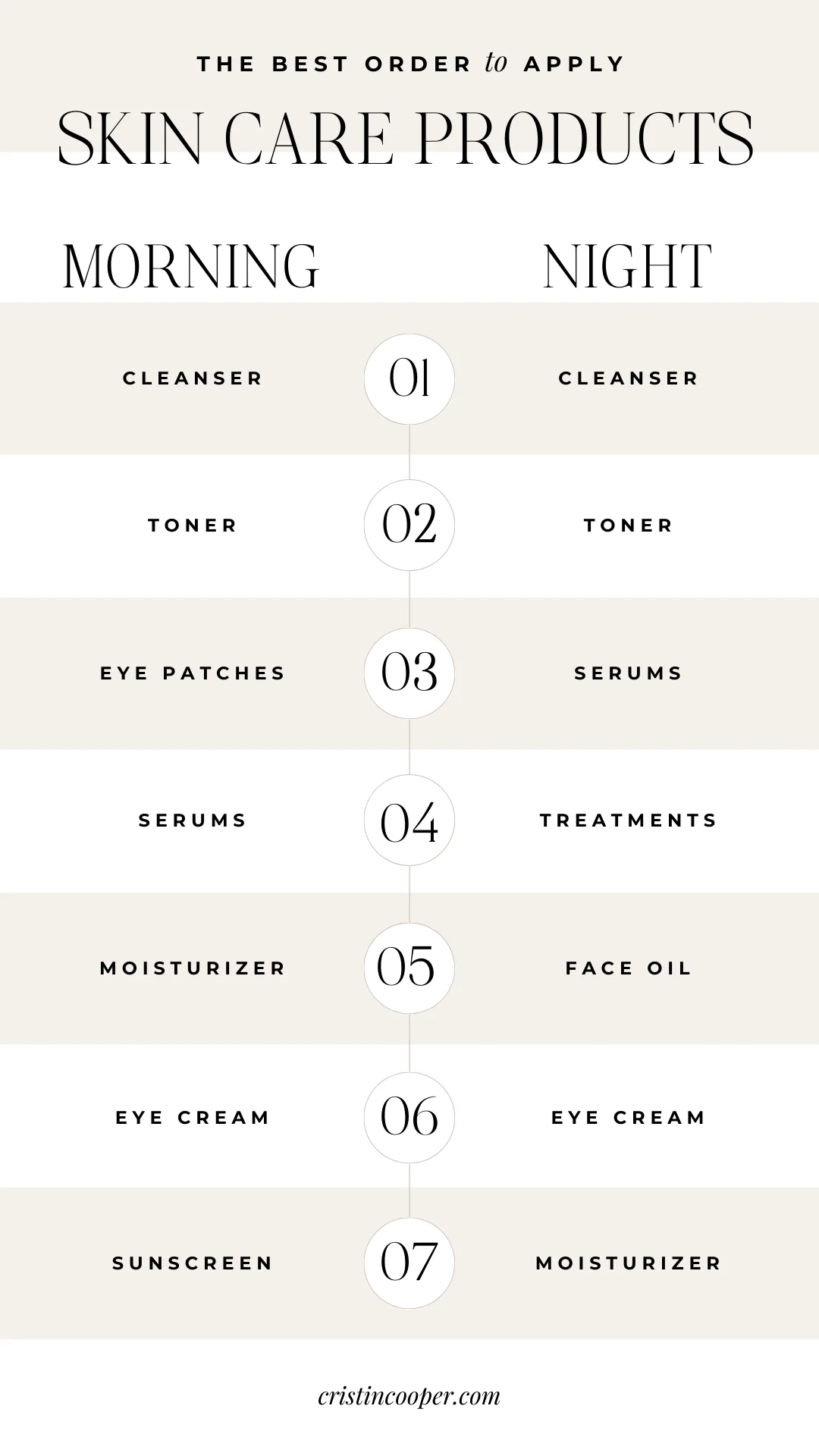
Imagine you’re preparing a gourmet meal. You wouldn’t pour dessert before the appetizer, right? Skincare works similarly: the order you apply products directly impacts how well they perform. When applied correctly, lighter, water-based products can penetrate the skin first, allowing thicker, oil-based creams to seal in all the benefits. Getting this order wrong is like putting a protective cloak on before the foundation—the product won’t absorb properly, diminishing its effectiveness.
Consider Sarah, who struggled with dull skin despite using multiple products. She realized she was applying her heavy moisturizer before her lightweight serum. Once she reversed the order, layering serum first to deliver active ingredients deep into the skin, followed by moisturizer, her complexion noticeably brightened and stayed hydrated longer.
Key Ingredients for Hydration and Glow
Hydration and radiance rely heavily on ingredients that attract moisture and strengthen the skin barrier. Ingredients such as hyaluronic acid are humectants, drawing water into the skin for a plump, dewy look. Vitamin C serums brighten and protect the skin from environmental pollutants, adding a natural glow over time. Niacinamide helps reduce redness and supports barrier health, essential for maintaining moisture.
These ingredients are most effective when paired with moisturizers rich in ceramides or peptides, which lock in water and repair skin strength. For example, after heavy winter months, many people notice their skin looks flaky and tired until they introduce consistent hydration with serum and moisturizer featuring these key elements.
Step-by-Step Guide to Applying Skincare Products
Cleansers and Toners: The Foundation
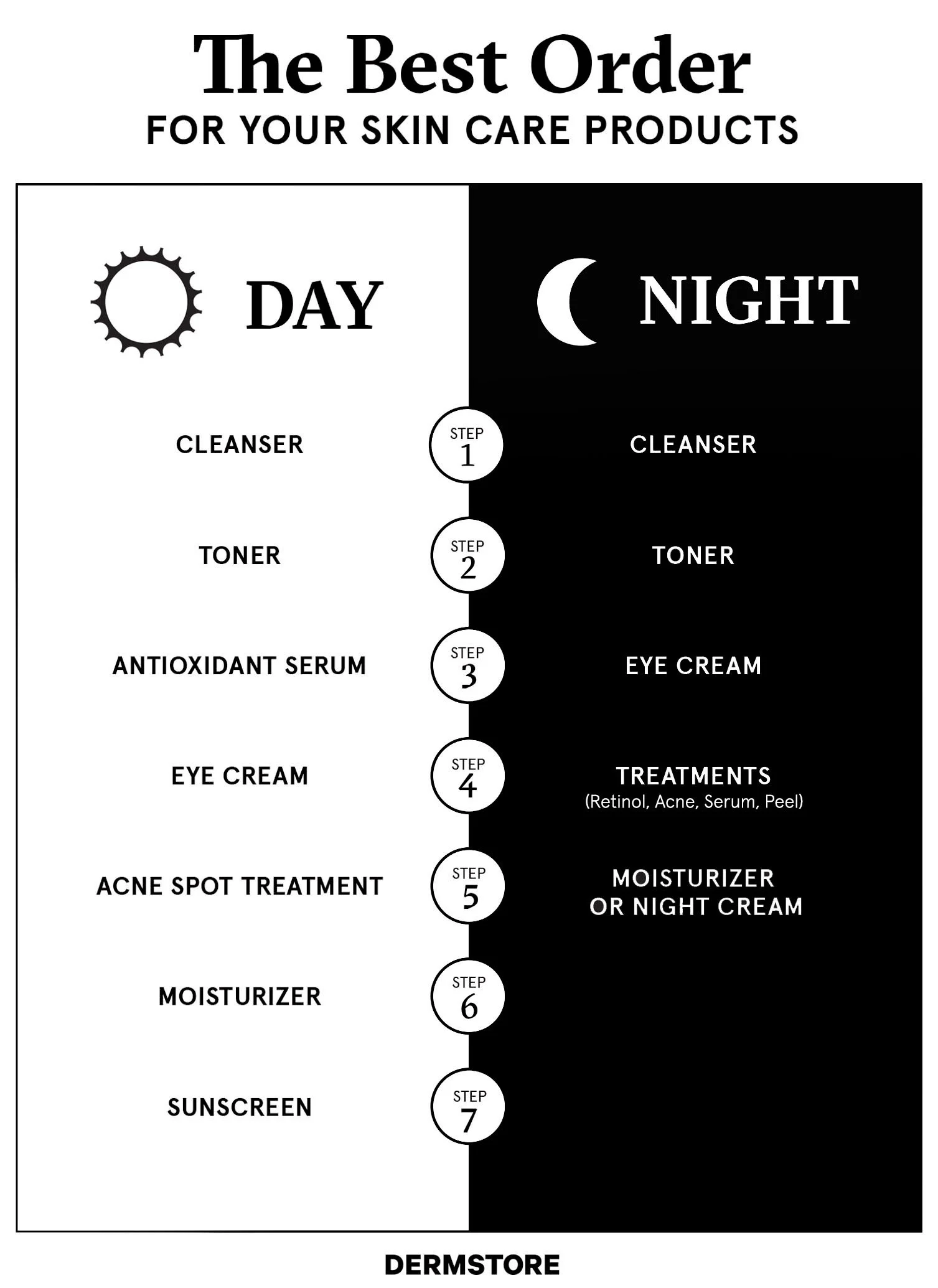
The journey to hydrated, glowing skin begins with cleansing. It’s essential to choose a cleanser that suits your skin type: creamy formulas for dry skin and gel or foam options for oily or combination types. Proper cleansing removes dirt, excess oil, and impurities that block moisturizers’ absorption. For residents in urban areas, double cleansing in the evening—first with an oil-based cleanser to dissolve makeup, then a gentle water-based cleanser—can prevent pore-clogging pollutants from dulling the skin.
Toners are often misunderstood but can be powerful allies. Avoid toners with alcohol or harsh scents that strip skin moisture. Instead, opt for hydrating toners with ingredients like glycerin or rose water if your skin is sensitive or dry. Alternatively, gentle chemical exfoliants like lactic acid toners can help oily or acne-prone skin shed dead cells and reveal a brighter complexion. Apply toner with a cotton pad and wait about a minute to let it fully absorb before the next step.
Serums: Targeting Hydration and Radiance
Serums are concentrated formulas designed to penetrate deeply with active ingredients. After toner, the skin is primed for serums. For hydration, a serum with hyaluronic acid feels lightweight and absorbs quickly, making it a fantastic step before heavier creams. Those seeking glowing skin often reach for Vitamin C serums in the morning. Anna, an office worker, found that by incorporating Vitamin C serum into her morning routine, her complexion became noticeably brighter and more resilient to pollution.
Apply serums by gently pressing them into your face with your fingertips, avoiding rubbing, which can irritate the skin. Allow 60 seconds to absorb fully before moving on to moisturizer.
Moisturizers: Locking in Moisture
Moisturizers are the critical step that seals in hydration and keeps the skin barrier healthy. For daytime, lightweight, oil-free gel moisturizers with humectants are ideal—comfortable under makeup and non-greasy. At night, richer creams containing ceramides or collagen peptides nourish skin repair processes deeply. Tom, who switched to a richer moisturizer at night, noticed his skin stayed hydrated throughout the winter and woke with a soft, supple texture.
Choosing the right moisturizer for the time of day and skin type prevents common issues like irritation or breakouts that arise from clogged pores or insufficient hydration.
Sunscreens: Protecting the Glow
Sunscreen is the final and non-negotiable step in any morning routine. Applying sunscreen after moisturizer forms a protective shield against UV rays, preventing premature aging and pigmentation that can dull your complexion. Mineral-based sunscreens, which often include zinc oxide or titanium dioxide, are favored for being gentler on sensitive skin and better for the environment. Applying sunscreen last ensures it isn’t diluted or blocked by other products, maintaining maximum protection.
Without this step, the hydration and brightening effects of your skincare can be compromised daily by sun damage.
Advanced Tips for Enhancing Product Absorption
Layering Techniques Based on Texture
The texture of each product should guide its placement in your routine. Water-based essences and serums absorb more quickly, so they belong near the start. Creams and heavier treatments require a bit more time and should follow. For example, when Mia noticed her facial oils were blocking the results of her hydrating serum, she learned to apply oils only after moisturizer, letting the lighter formulas sink in first.
Patting products into the skin, rather than rubbing, can also improve absorption and reduce irritation. A gentle tapping motion encourages the skin to take in ingredients rather than pushing them away.
When to Use Facial Oils and Mist Sprays
Facial oils can be a wonderful addition to someone’s routine but should come last in your layering order, just after moisturizer, to help lock in all the previous hydration. Oils are especially beneficial in dry climates or winter months, as they prevent moisture loss through the skin’s surface. For someone like James, who has dry skin and works in a heated office, a light drop of oil at night helped keep his skin from feeling tight and flaky.
Mist sprays infused with hydrating ingredients can be used throughout the day for a quick moisture boost, especially in dry environments. They are best applied on clean skin or over makeup to refresh and hydrate without disrupting your skincare layers.
Common Mistakes to Avoid for a Radiant Complexion
Overloading Products and Its Impact
It’s tempting to throw in many different serums, creams, and treatments hoping for faster results. However, layering too many products often overwhelms the skin, leading to irritation or breakouts. Emma once followed a 10-step popular Korean skincare routine but kept experiencing redness and clogged pores. Scaling back to a simple three-step routine—cleanser, moisturizer, and sunscreen—helped restore her skin’s balance and glow.
Focusing on essential products and avoiding unnecessary extras preserves your skin’s barrier and allows key ingredients to perform optimally.
Timing Between Layers for Optimal Results
Impatience can thwart your skincare goals. Applying products too quickly can cause them to mix poorly or prevent proper absorption. Waiting around 60 seconds after applying toner or serum before moving to the next step can make a significant difference. For instance, Michael found his Vitamin C serum absorbed better and resulted in less pilling when he allowed it to settle before moisturizing.
Incorporating these small pauses turns a rushed routine into a thoughtful ritual that maximizes the benefits and contributes to hydrated, glowing skin.