























Understanding Goji Berries: Properties and Shelf Life
Nutritional Profile and Health Benefits
Goji berries are celebrated for their impressive nutritional profile, offering a rich source of antioxidants, vitamins, and minerals. Packed with vitamin C, fiber, and iron, these small red berries support immune function, improve skin health, and provide energy. Their high antioxidant content, including zeaxanthin, helps combat oxidative stress and inflammation. This nutritional richness makes goji berries a popular superfood, but it also means that they can lose potency if not stored correctly. Understanding their composition is crucial to maximizing their shelf life and health benefits.
Factors Affecting Freshness and Spoilage
The shelf life of goji berries is influenced by several factors including moisture, temperature, light exposure, and packaging quality. Fresh goji berries have a higher water content, making them more susceptible to mold and rapid spoilage. Exposure to air and humidity accelerates degradation, while fluctuating temperatures can cause condensation, which promotes microbial growth. In the case of dried berries, improper sealing can lead to absorption of moisture, resulting in spoilage or loss of texture. Recognizing these factors is vital for effective storage and longer-lasting goji berries.
Optimal Storage Solutions for Goji Berries
Storing Fresh Goji Berries
Fresh goji berries are delicate and prone to rapid spoilage if left at room temperature. The higher moisture content increases the risk of mold development and fermentation. One common problem is storing fresh berries in loosely closed containers, which allows moisture exchange and accelerates decay. The solution lies in refrigerating them promptly at low temperatures, ideally between 0-5 °C (32-41 °F), which slows microbial activity and preserves the antioxidants and flavor. Using breathable but protective containers helps balance airflow and moisture, extending freshness for several days.
Dry vs. Freeze-Dried: Which Lasts Longer?

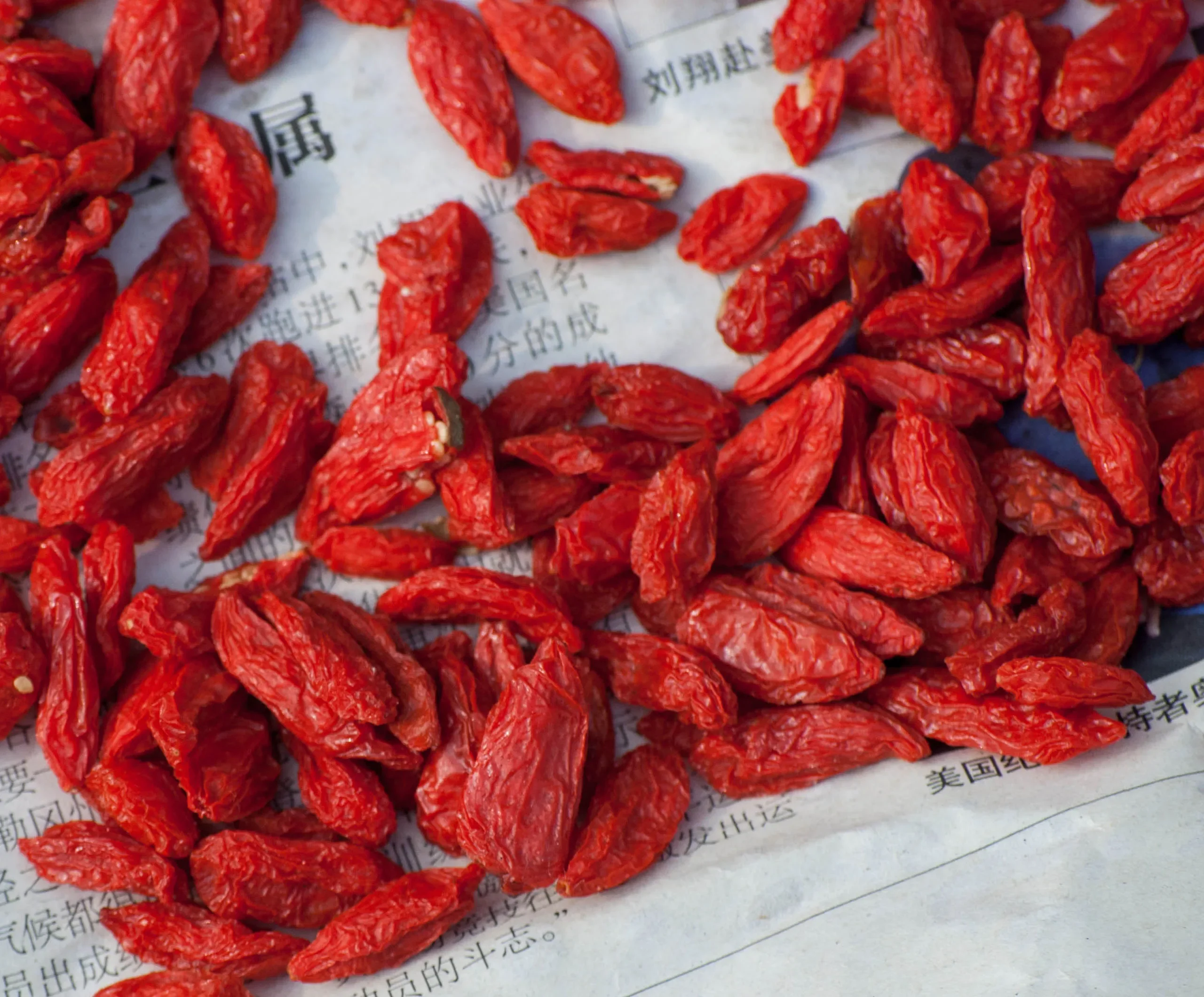
When it comes to dried goji berries, the choice between traditional dehydration and freeze-drying significantly impacts shelf life and nutrient retention. Regular dried berries can last for months if kept dry and sealed well, but they may lose some texture and nutritional value over time. Freeze-dried goji berries, on the other hand, have a porous texture and retain more antioxidants and vitamins due to low processing temperatures. They typically have a longer shelf life, often extending beyond a year if stored correctly. However, freeze-dried varieties are more sensitive to moisture exposure and need airtight packaging.
Best Containers and Packaging for Longevity
Proper packaging is a crucial factor in prolonging the shelf life of goji berries. The main problem with typical storage is exposure to air and humidity, which can spoil the berries or degrade their quality. To combat this, airtight containers made of glass or food-grade plastic with tight seals are ideal. Vacuum-sealed bags provide an even more effective barrier, preventing oxygen and moisture from entering. For dried or freeze-dried berries, including desiccant packets can help maintain dryness. Avoid clear containers placed in direct sunlight, as UV rays can accelerate nutrient breakdown.
Preserving Goji Berries: Techniques That Work
Refrigeration Tips for Extended Freshness
Refrigeration is beneficial for preserving fresh goji berries, but improper handling can cause premature spoilage. One common mistake is storing berries in the vegetable drawer with high humidity settings, which can trap moisture and lead to mold. Instead, placing them in a shallow container lined with paper towels to absorb excess moisture helps maintain an ideal environment. Regular checks for spoilage—looking for softness, discoloration, or mold—are important. Keeping the berries at consistent low temperatures minimizes enzymatic reactions that cause degradation.
Freezing Methods and How to Prevent Freezer Burn
Freezing offers a practical solution to extend goji berry shelf life significantly, but it presents its own challenges. The main problem is freezer burn, which dehydrates berries and affects taste and texture. This usually happens when air comes into contact with the surface of the berries during storage. To prevent this, arrange fresh berries in a single layer on a baking sheet to freeze individually before transferring them into airtight freezer bags. Removing as much air as possible and using freezer-safe containers provides protection. Consuming frozen goji berries within six months is generally recommended to enjoy optimal quality.
Dehydration and DIY Drying at Home
Drying goji berries at home is a practical method but requires attention to detail to avoid spoilage. Improper drying or incomplete moisture removal leaves berries vulnerable to mold growth. The solution involves using a food dehydrator or an oven set to a low temperature, ideally between 45-55 °C (113-131 °F), and drying until the berries are leathery and no longer sticky. Spreading them evenly ensures uniform drying. Once dried, storing them in airtight containers away from light and warmth will preserve their quality for many months. This DIY approach gives control over the drying process and helps maintain nutrient levels.
Creative Uses for Stored Goji Berries
Incorporating Goji Berries into Everyday Meals
Once you have properly stored goji berries, incorporating them into daily meals is an excellent way to enjoy their health benefits. However, some people struggle with how to use them beyond just snacking. The key is to introduce them gradually and creatively, whether by sprinkling dried berries over salads or mixing them into yogurt or oatmeal. This adds a natural sweetness and a burst of nutrition without overpowering other flavors. Stored goji berries maintain their texture and flavor when added just before serving, maximizing enjoyment and nutrient intake.
Smoothies, Teas, and Snacks with Stored Goji
Goji berries are versatile ingredients that blend well into smoothies, teas, and healthy snacks. One issue with dried berries is that they can be tough or chewy. Soaking them in water or warm tea before blending or eating softens their texture and releases nutrients more effectively. Adding soaked goji berries to smoothies complements fruits and greens, enhancing both flavor and antioxidants. Additionally, steeping them in hot water produces a mild, sweet tea that preserves beneficial compounds. For snacks, mixing dried goji berries with nuts and seeds creates a nutrient-dense trail mix ideal for energy on the go.
Baking and Cooking with Goji Berries
Many people avoid using goji berries in cooking due to concerns about heat destroying their nutrients, but moderate cooking can still yield delicious results. The main challenge is protecting their delicate antioxidants from prolonged high heat. Adding dried goji berries towards the end of baking or cooking processes, such as in muffins, bread, or stir-fries, prevents excessive nutrient loss and maintains some texture. This approach allows you to enjoy goji berries’ flavor and health benefits in a variety of dishes without compromising shelf life or quality.
Warning Signs and How to Avoid Spoilage
Identifying Mold, Off-Smells, and Texture Changes
Recognizing spoilage in goji berries is essential to prevent consumption of degraded or unsafe fruit. Mold growth is a clear indicator and appears as fuzzy white or green patches. In addition, goji berries that have lost their vibrant red color or develop unusual softness or hardness often signal deterioration. Off or sour smells are another warning sign of fermentation or spoilage. Regularly checking stored berries before use helps catch early signs. Discarding any berries that show these symptoms ensures safety and preserves overall batch quality.
Preventing Common Storage Mistakes
Many storage errors contribute to rapid goji berry spoilage, including exposure to moisture, fluctuating temperatures, and inadequate sealing. Leaving berries in opened packaging or storing them in humid environments invites mold and staleness. A common problem is using containers that do not seal properly, allowing air and moisture ingress. To avoid these pitfalls, always transfer berries to airtight containers after opening, store them in cool, dark places or the refrigerator, and handle them with clean, dry hands or utensils. These proactive measures help maintain freshness and extend usable shelf life.