






















Understanding the Impact of Household Chores on Marriage
How Unbalanced Chore Distribution Affects Relationships
An unbalanced distribution of household chores can quietly erode the foundation of a marriage. When one partner consistently shoulders the majority of cleaning, cooking, or organizing duties, feelings of frustration and exhaustion often build up. This imbalance stems from various causes, such as traditional gender roles that subtly dictate who “should” do what, or a lack of initiative and communication. Over time, resentment emerges as one spouse feels undervalued and overwhelmed, while the other may remain unaware of the growing emotional toll.
Signs of Resentment Related to Household Responsibilities
Resentment in marriage linked to chores rarely appears overnight. It often shows up as subtle signs like passive-aggressive comments, avoidance of household tasks, or disagreements that escalate unnecessarily. One partner might begin to view “helping” as an imposition rather than a shared responsibility, or there may be repeated conflicts about the quality and timing of chores. If these tensions go unaddressed, they not only contribute to dissatisfaction but also harm communication and emotional intimacy.
Assessing Your Household Needs and Preferences
Identifying All Necessary Household Tasks
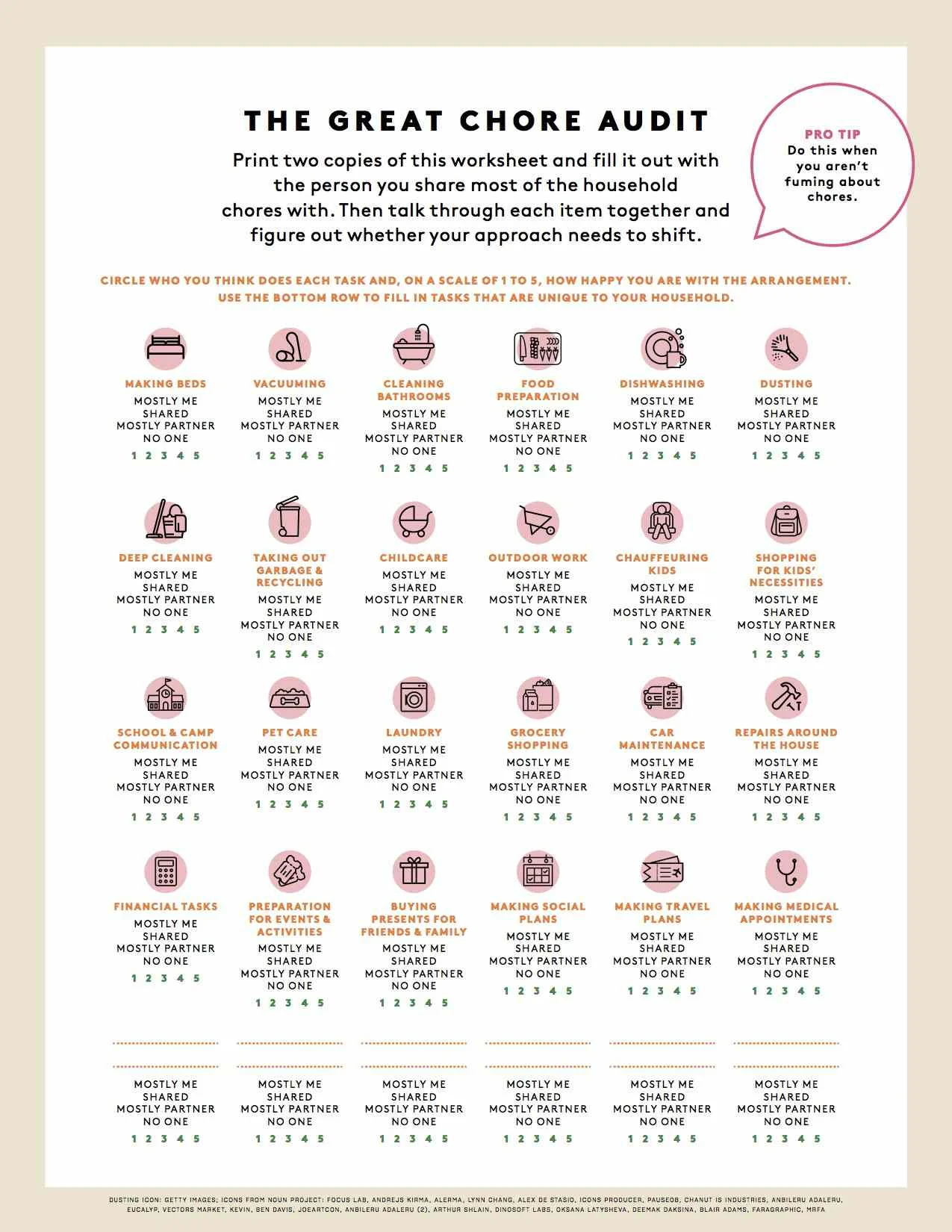
The first step toward a balanced chore schedule is gaining a clear understanding of all the tasks involved in maintaining your home. This goes beyond just sweeping floors or doing laundry—it includes cooking, managing bills, caring for children, and even the mental load of planning and remembering responsibilities. Many couples underestimate the full scope of chores, which leads to overlooked tasks and unfair workload distribution. Taking inventory together helps partners appreciate the work involved and recognize invisible labor.
Evaluating Each Partner’s Strengths and Availability
Once the full list of household needs is acknowledged, the next challenge is matching those tasks with each partner’s strengths and schedules. One spouse might enjoy cooking but dislike cleaning bathrooms. Another may have more flexible time during the week or excel at organization. Ignoring these preferences can lead to dissatisfaction and resistance. By openly discussing availability and skills, couples can divide chores in a way that respects individual comfort levels and maximizes efficiency, preventing feelings of burden.
Designing an Equitable Chore Schedule
Methods for Dividing Chores Fairly
Creating a chore schedule that feels fair requires more than splitting tasks evenly. It’s important to recognize that some chores are more time-consuming or emotionally draining than others. When one partner handles the bulk of the demanding jobs, imbalance and resentment grow. Fair division means considering the difficulty, frequency, and impact of each task and distributing them accordingly. Adopting a teammate mentality, where both partners aim to support and out-serve each other, can transform chore time into an act of love rather than obligation.
Incorporating Flexibility and Rotation
Rigid chore schedules can lead to burnout and frustration if one partner feels trapped with the same disliked tasks. Introducing flexibility and rotation helps keep the routine dynamic and fair. Switching chores periodically allows both spouses to share the mental and physical load, and it prevents anyone from feeling pigeonholed into certain roles. This approach also opens room for adapting the schedule as life circumstances change, ensuring the partnership remains balanced over time.
Communication Strategies for Maintaining Chore Balance
Setting Expectations Early and Revisiting Regularly
Clear communication about household responsibilities should begin early and continue consistently. Without proactively setting expectations, unspoken assumptions often lead to frustration. Regular discussions provide a safe space to express concerns, update preferences, and redistribute tasks if necessary. Reassuring one another that caring for the home is a shared responsibility can reduce misunderstandings and promote teamwork.
Using Positive Reinforcement and Appreciation
Chore-related conflicts often arise from feeling unrecognized or undervalued. Simple acts of thanking each other and acknowledging efforts can significantly improve morale. Positive reinforcement motivates both partners to maintain their contributions and fosters an atmosphere of respect and kindness. Celebrating small wins together strengthens the marriage and helps chores feel less like burdens and more like shared acts of service.
Tools and Resources to Support Your Chore Schedule
Digital Apps and Calendars for Task Management
Technology can be a valuable ally in managing household chores. Apps and online calendars allow couples to assign tasks, set reminders, and track completion easily. These tools help minimize mental load by externalizing the schedule and reducing the chances of overlooked duties. Additionally, many couples find that having chores visually organized through a digital platform improves accountability and reduces arguments over who is responsible for what.
Printable Chore Charts and Checklists
For some, tangible chore charts or checklists posted in shared spaces like the kitchen act as constant reminders and motivators. Printable versions allow for customization, making it easy to adjust based on weekly changes or rotating tasks. This low-tech solution encourages both partners to stay engaged and can be accompanied by incentives or rewards to maintain enthusiasm. When designed collaboratively, chore charts promote fairness and transparency.
Strategies to Rebuild Trust When Resentment Has Occurred
Conflict Resolution Techniques Focused on Household Stress
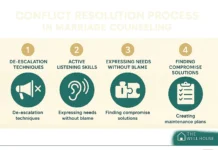
When resentment has already taken root, repairing the damage requires intentional efforts to resolve conflicts surrounding chores. Couples should focus on active listening, where each partner fully hears and validates the other’s feelings without interrupting or defending prematurely. Using “I” statements instead of blame helps reduce defensiveness. Taking time to acknowledge the emotional impact of chores and agreeing on concrete changes can rebuild trust and restore cooperation.
When to Seek Professional Support
Sometimes, household resentment reflects deeper relational patterns that are difficult to resolve alone. If chore conflicts persist despite honest communication and mutual effort, seeking the guidance of a marriage counselor or therapist may be beneficial. Professional support provides tools to address underlying issues such as communication breakdowns, mental load imbalance, or differing values around cleanliness. Getting help early prevents small frustrations from damaging the marriage long-term.