






















Understanding Emotional Balance and Its Importance
Defining Emotional Balance
Emotional balance is the ability to maintain a stable and positive emotional state, even when faced with stress, adversity, or daily challenges. It doesn’t mean eliminating difficult emotions but rather managing them healthily so they don’t overwhelm or control your actions. Imagine waking up on a hectic day but feeling centered enough to make thoughtful decisions rather than reacting impulsively — that is emotional balance in action. For many, this balance is a dynamic process, requiring ongoing attention and care.
Long-Term Benefits of Maintaining Emotional Health
Long-term emotional health impacts all facets of life, from relationships to career success. When you nurture emotional balance, you increase resilience, the capacity to bounce back from setbacks. People who sustain their emotional wellbeing often experience lower rates of anxiety and depression, better physical health, and more fulfilling social connections. For example, someone who invests in self-care regularly may notice improved sleep, more patience with family members, and higher productivity at work. The benefits accumulate over time, ultimately enhancing your quality of life and longevity.
Assessing Your Current Emotional Well-Being
Identifying Emotional Stressors
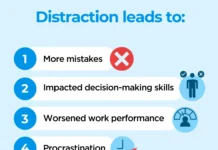
Before building a self-care routine, it’s essential to understand what triggers emotional distress for you. Stressors can range from work pressures, family conflicts, financial insecurity, or even social media overload. Reflect on recent moments when you felt drained or overwhelmed—what events or interactions led there? For instance, Jane found that constant notifications at work heightened her anxiety, so recognizing this helped her take steps to limit distractions. This honest assessment lays the groundwork for targeted self-care.
Recognizing Signs of Emotional Imbalance
Signs of emotional imbalance often manifest subtly at first. You might notice irritability over small issues, persistent fatigue, or trouble concentrating. Other red flags include withdrawing from friends, negative self-talk, or difficulty sleeping. Tom, a graphic designer, realized his emotional health was declining when he began canceling social plans and feeling exhausted without physical exertion. Early recognition enables timely intervention, preventing more severe mental health struggles.
Foundations of a Personal Self-Care Routine
Core Components: Physical, Mental, and Social Care
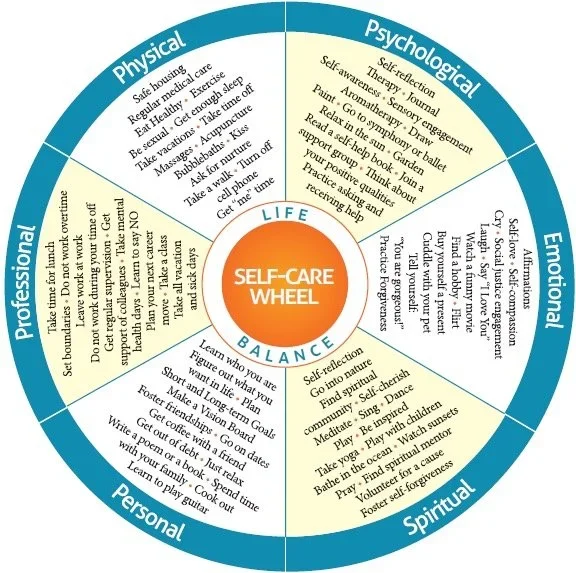
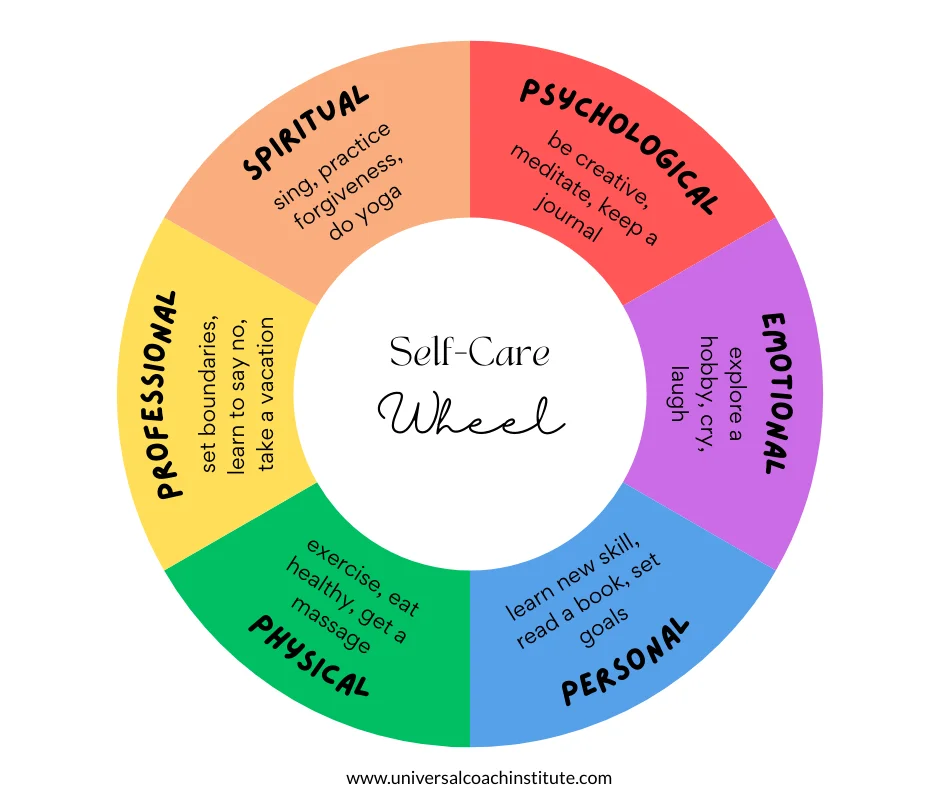
A well-rounded self-care routine addresses physical, mental, and social needs. Physical care includes nutrition, exercise, and sleep, which boost brain function and emotional stability. Mental care involves relaxation, mindfulness, and limiting negative thought patterns, helping reduce anxiety and depression. Social care focuses on nurturing relationships and seeking supportive connections, which combat isolation and encourage a sense of belonging. For example, Sarah combined weekly yoga sessions (physical), daily mindfulness meditation (mental), and regular coffee dates with friends (social) to create a balanced approach.
Customizing Routine to Individual Needs and Preferences
No two self-care routines should look alike because everyone’s needs and lifestyles differ. Consider your personal interests, energy levels, and commitments. If mornings are rushed, perhaps schedule calming activities at night instead. If you dislike gyms, opt for outdoor walks or dancing at home. Tailoring your routine ensures sustainability and enjoyment instead of it feeling like a chore. Paul discovered he felt most energized after a walk during lunch breaks rather than trying to exercise first thing in the morning, demonstrating the importance of flexibility.
Step-by-Step Guide to Building Your Self-Care Routine
Setting Realistic and Achievable Goals
When starting out, it’s crucial to set goals that are attainable and specific. Instead of broad intentions like “reduce stress,” define concrete objectives such as “practice deep breathing for five minutes each morning” or “go to bed by 10 PM four nights a week.” This approach fosters a sense of accomplishment and motivation. For instance, Maria began by journaling about gratitude twice weekly, which eventually grew into a daily habit. Realistic goals prevent burnout and build steady progress.
Daily Practices to Foster Emotional Stability
Incorporate small, manageable activities into your day to support steady emotional health. These could include mindful breathing during breaks, eating balanced meals, or connecting briefly with a supportive friend or family member. Consistency matters; even five minutes of self-care can have a cumulative effect. John made a point to turn off his phone 30 minutes before bed, which helped improve his sleep and mood. Over time, these daily habits serve as emotional anchors.
Weekly and Monthly Check-ins for Progress Assessment
Regularly reviewing your routine helps you stay on track and make necessary adjustments. Set aside time weekly or monthly to reflect: Are you feeling more balanced? Which activities bring the most benefit? Are there obstacles to maintaining your routine? For example, after a month, Lisa noticed that weekend social outings elevated her mood more than solitary yoga, so she shifted her focus accordingly. These check-ins create an ongoing dialogue with yourself, fostering growth and responsiveness.
Incorporating Mindfulness and Stress-Reduction Techniques
Mindfulness Meditation and Breathing Exercises
Mindfulness practices cultivate awareness of the present moment, reducing chronic stress and emotional reactivity. Simple breathing exercises, such as inhaling deeply for four counts and exhaling slowly, can be practiced anywhere to ease tension. Emma, a busy teacher, found that pausing for a three-minute breathing exercise between classes calmed her nerves and improved her patience throughout the day. Mindfulness isn’t about escaping reality but learning to respond rather than react.
Journaling and Reflective Practices
Journaling offers a space to process emotions and recognize patterns, making emotional challenges easier to understand and manage. Reflective prompts like “What made me feel grateful today?” or “What drained my energy?” can guide your writing. David used journaling to identify that negative self-talk often followed stressful meetings, prompting him to seek supportive feedback from colleagues. Over time, these reflections nurture self-compassion and emotional insight.
The Role of Nutrition, Sleep, and Physical Activity
How Diet Impacts Emotional Health
What you eat directly affects your mood and brain function. Diets rich in fruits, vegetables, whole grains, and omega-3 fatty acids help stabilize emotions and support neurotransmitter balance. For example, incorporating flaxseeds and spinach into meals can improve cognitive function and reduce symptoms of depression. Sarah noticed she felt more anxious and fatigued when relying on processed foods, so she committed to cooking at home more often. Nutrition is foundational to emotional resilience.
Creating Sleep Hygiene for Emotional Resilience
Quality sleep is essential for regulating emotions and cognitive clarity. Establish routines such as going to bed and waking up at consistent times, avoiding screens 30 minutes before bed, and creating calming pre-sleep rituals like reading or gentle stretching. Mike found that turning off electronic devices an hour before sleep and journaling about positive moments helped him fall asleep faster and wake feeling refreshed. Improving sleep hygiene often leads to noticeable emotional improvements.
Exercise as a Tool for Emotional Regulation
Physical activity triggers the release of endorphins, which act as natural mood lifters. It also reduces stress hormones, aiding emotional regulation. You don’t need intense workouts; even a daily 20-minute walk outdoors can boost mood and energy. Laura, coping with anxiety, incorporated morning walks in her neighborhood, noticing decreased tension and more balanced emotions throughout the day. Exercise is an accessible and powerful form of self-care.
Adapting and Evolving Your Self-Care Routine Over Time
Listening to Your Emotional Needs
Emotional needs fluctuate with life circumstances, so tuning into how you feel regularly helps you adapt your self-care. If you’re experiencing burnout, you might need more rest rather than more activity. Conversely, if feeling isolated, prioritizing social connection is key. When Tom’s workload increased, he shifted his routine to include brief midday breaks rather than longer evening sessions, maintaining balance despite change. Self-care is not static but a responsive practice.
Adjusting Strategies During Life Transitions
Major life changes such as moving, job changes, or loss can disrupt emotional equilibrium. During these times, flexibility in self-care is vital. You may need to simplify routines or seek additional support. For example, after losing her mother, Anna adapted her routine to include therapy sessions and more frequent check-ins with friends. Recognizing the need to pivot helps prevent emotional overwhelm and fosters resilience through difficult transitions.
Resources and Tools to Support Your Journey
Apps and Technology for Emotional Tracking
Technology can be a helpful ally in maintaining emotional balance. Apps like Moodfit, Headspace, or Daylio allow users to track moods, practice guided meditation, and build mindfulness habits. For instance, Mark used a mood-tracking app to identify patterns between his diet and anxiety levels, which informed positive lifestyle changes. While tools should not replace professional help, they support awareness and consistency.
Support Networks and Professional Help
Finally, building a support network of friends, family, or support groups enhances emotional wellbeing. Sharing experiences reduces isolation and fosters connection. When challenges become overwhelming, don’t hesitate to seek professional mental health care. Therapy can provide tools for coping, healing from trauma, and developing emotional resilience. Jen found that combining self-care with counseling was the turning point in managing her depression effectively.