





















Understanding the Root Causes of Recurring Arguments in Marriage
Identifying Common Triggers
Recurring arguments in marriage often stem from unresolved issues that keep resurfacing. For instance, Sara and John found themselves constantly clashing over household chores. On the surface, it seemed like a simple disagreement, but digging deeper revealed feelings of underappreciation and imbalance in responsibilities. Couples frequently face triggers like finances, parenting styles, or time management, but these are usually symptoms rather than causes. Recognizing what specific behaviors or situations spark these conflicts is the first step toward finding a lasting resolution.
The Role of Communication Styles
How couples communicate plays a pivotal role in either escalating or calming disagreements. Take the example of Maria and David: Maria tends to avoid confrontation, hoping issues will fade, whereas David is more direct, often leading to frustration. These differing styles created a cycle where problems remained unspoken until they exploded in arguments. When each partner doesn’t understand or respect the other’s communication style, misunderstandings grow. Learning to adapt and meet in the middle helps prevent conflicts from spiraling.
Key Communication Techniques for Conflict Resolution
Active Listening and Empathy
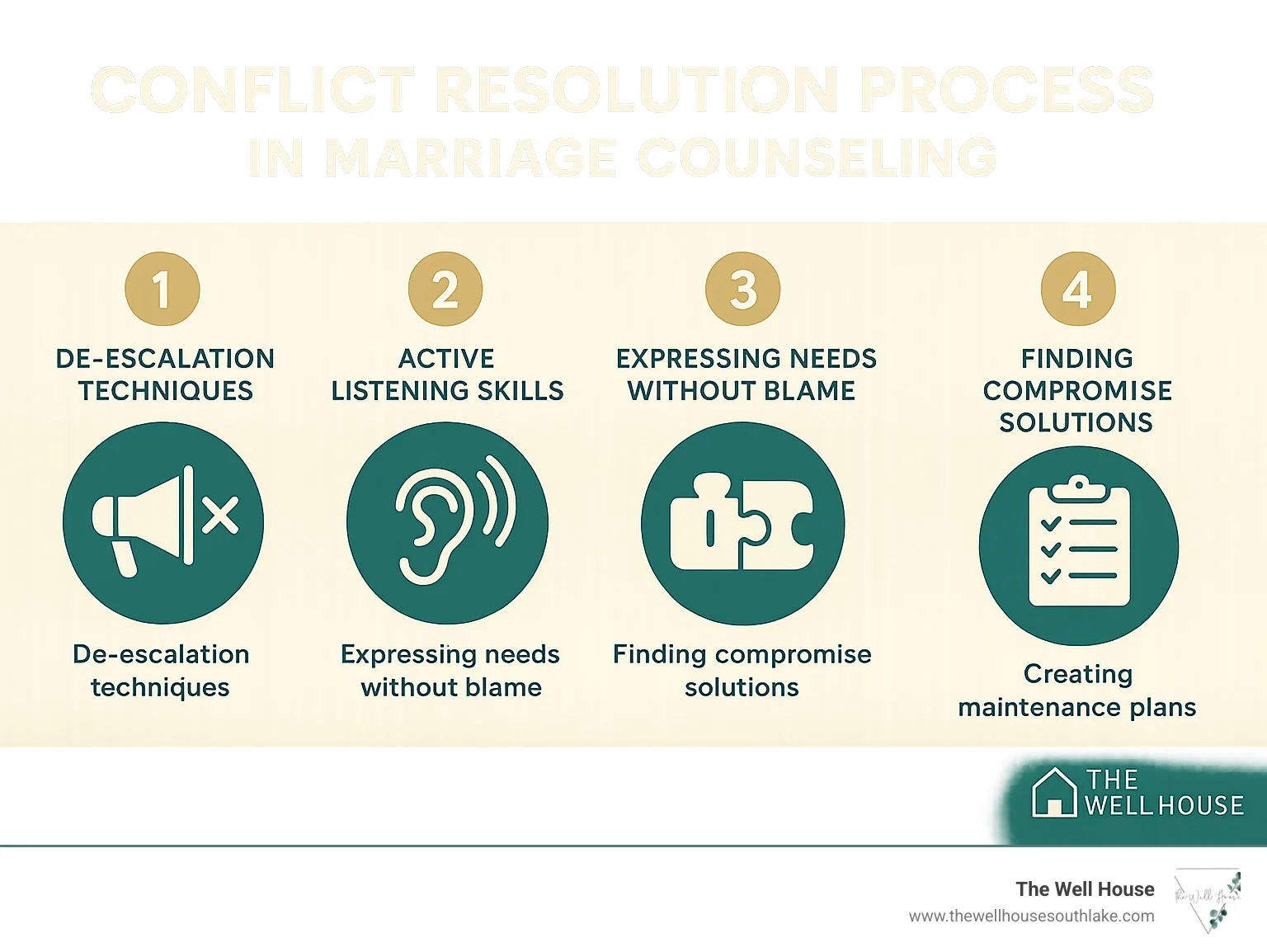
One of the most powerful tools for calming recurring arguments is active listening. In the story of Lisa and Mark, conversations improved dramatically when Lisa began reflecting what Mark said instead of immediately reacting. For example, when Mark expressed frustration about feeling unheard, Lisa paraphrased his concerns and checked for understanding before responding. This validation made Mark feel acknowledged, reducing tension. Empathizing with your partner’s feelings—even if you don’t agree—paves the way for genuine connection.
Using “I” Statements to Express Feelings
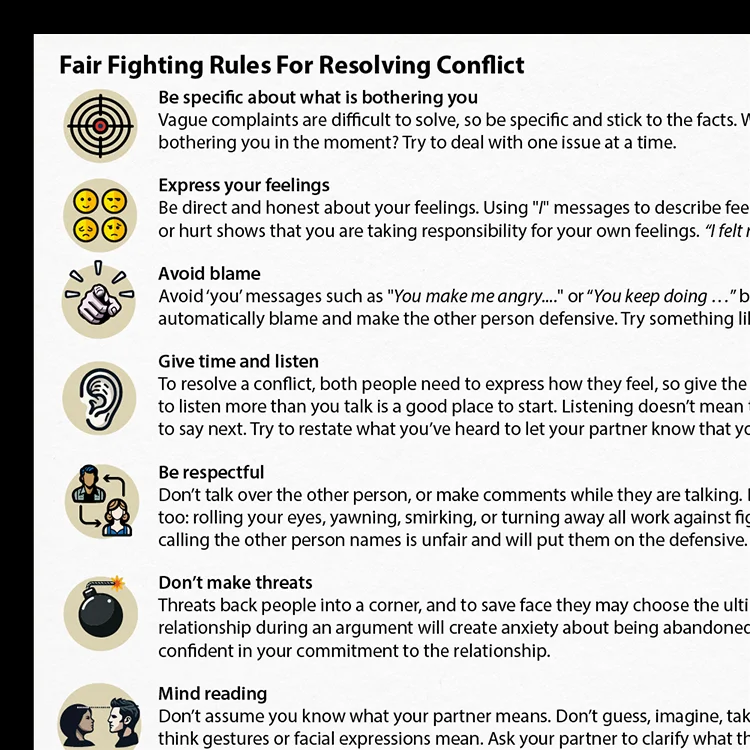
Instead of casting blame, speaking from personal experience can defuse defensiveness. Consider Emma, who kept telling her husband, “You never help with the kids,” which led to arguments. When she shifted to saying, “I feel overwhelmed when I manage the kids alone,” her husband responded more openly. Using “I” language shifts the focus from accusations to emotions, making it easier for partners to hear and understand each other without feeling attacked. Being specific about behaviors, rather than making absolute claims, keeps the conversation constructive.
Maintaining Calm and Avoiding Escalation
Arguments often escalate because one or both partners feel unheard or attacked. When Ben and Claire noticed their discussions spiraled into shouting matches, they began taking deliberate pauses. Even if the topic felt urgent, they agreed to step back when emotions ran too high, allowing time to cool down. This simple tactic prevented hurtful words and gave them space to return to the conversation with a fresh mindset. Prioritizing calmness over winning an argument leads to more effective communication and resolution.
Implementing Structured Conversations
Setting Ground Rules for Discussions
Structured conversations help couples navigate tough topics without falling into old patterns. For example, David and Ana agreed that during serious talks, they would let each other finish without interruptions and avoid bringing up past grievances. Establishing these ground rules creates a safe environment. It also signals both partners are committed to listening and respecting each other’s perspectives. When arguments arise, having these agreed-upon boundaries can prevent them from escalating.
Scheduled Check-Ins to Prevent Build-Up
Recurring arguments often occur because issues stack up over time, unnoticed or unaddressed. James and Maya implemented weekly check-ins where they discuss any simmering concerns in a relaxed setting, free of distractions. This regular dialogue prevents resentments from festering and keeps both partners connected. These intentional conversations, scheduled at a time that suits both, become a tool to manage problems before they explode into bigger fights, demonstrating the value of making communication a top priority.
Long-Term Strategies for Healthy Communication
Building Trust Through Transparency
Trust is the foundation of any lasting relationship. In the case of Rob and Nina, mistrust fueled many arguments because they kept secrets about finances. Once they committed to sharing openly about money, decisions became joint efforts, and mistrust diminished. Transparency doesn’t mean every detail needs to be shared immediately but being honest about important issues fosters safety and connection. Feeling heard and understood often equates to feeling trusted and valued.
Developing Problem-Solving Skills Together
Rather than repeating the same arguments, couples benefit from learning to solve problems collaboratively. For instance, when Leah and Tom struggled with time management conflicts, they sat down to create a shared calendar and set realistic expectations. This practical approach moved them from blaming each other to working together. Developing skills like compromise, brainstorming solutions, and evaluating outcomes transforms arguments into opportunities for growth and partnership.
When to Seek Professional Help
Signs That Marriage Counseling May Be Needed
Sometimes, despite best efforts, recurring arguments persist and leave both partners feeling stuck. For example, when recurring fights start causing emotional distance, avoidance, or resentment—as it did for Rachel and Steve—it might be time to seek outside help. Signs include constant criticism, lack of empathy, feeling unheard, or trading temporary discomfort for long-term avoidance. Professional counselors or couples intensives provide tools and guided communication techniques tailored to heal real pain points beneath the conflicts. Recognizing when to ask for support can be the turning point toward healing and deeper connection.