




















Understanding Hormonal Acne: Causes and Symptoms
What is Hormonal Acne?
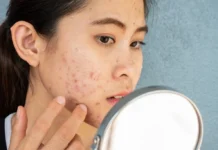
Sarah, a 28-year-old marketing manager, started noticing regular breakouts around her jawline and chin coinciding with her menstrual cycle. Her dermatologist explained that this was hormonal acne, a common skin condition triggered by shifts in hormone levels that increase oil production and clog pores. Hormonal acne often manifests as deep, inflamed pimples rather than just superficial whiteheads or blackheads, and it can be persistent if not properly managed.

Common Triggers Behind Flare-Ups
Hormonal acne flare-ups frequently occur during puberty, menstruation, pregnancy, and menopause due to fluctuations in androgen and estrogen levels. For instance, before her period, Emily noticed an uptick in blemishes caused by excess sebum production stimulated by androgens. Other triggers may include stress, which raises androgen levels, certain birth control methods like progesterone-only injections, and underlying medical conditions such as polycystic ovary syndrome (PCOS). Environmental factors such as diet, smoking, or stress-prone lifestyles can also exacerbate acne. Understanding these triggers is crucial for timely intervention and prevention.
Identifying Hormonal Acne vs. Other Acne Types
Unlike acne caused by bacterial infections or environmental irritants, hormonal acne typically localizes on the lower face—particularly the chin, jawline, and neck—and coincides with hormonal cycles. John, battling adult acne, found that his breakouts were linked to elevated androgen levels linked to stress and diet. Recognizing these patterns helps differentiate hormonal acne from other types, guiding more effective treatment options focused on regulating hormones and reducing oiliness rather than just topical antibiotic use.
Natural Ingredients Proven to Combat Hormonal Acne
Tea Tree Oil: How It Works
Tea tree oil is renowned for its natural antibacterial and anti-inflammatory properties, making it a popular home remedy for acne. Claire used tea tree oil diluted with a carrier oil to dab on her inflamed spots. She found it helped reduce redness and swelling within a few days. This essential oil targets Cutibacterium acnes bacteria, one of the culprits behind acne inflammation, without overly drying the skin when used properly.
Aloe Vera: Soothing and Healing Properties
Aloe vera’s soothing gel is invaluable during hormonal acne flare-ups, especially when spots are painful or irritated. Mark applied fresh aloe vera gel daily after cleansing, which helped calm his skin and promoted healing. Its natural antioxidants and vitamins reduce inflammation and repair damaged skin, providing relief without harsh chemicals, perfect for sensitive or reactive skin types.
Apple Cider Vinegar as a Toner
Using diluted apple cider vinegar as a toner can help balance the skin’s pH and tighten pores. Emma incorporated it into her nightly routine by mixing one part vinegar with three parts water. This simple step helped reduce excess oil and prevented new breakouts by keeping the skin environment less hospitable to bacteria. However, she was careful to avoid overuse, as it can cause irritation if applied undiluted.
Effective Home Remedies to Try
DIY Face Masks for Hormonal Acne
Face masks combining natural ingredients can soothe and detoxify the skin. For example, mixing honey with turmeric creates an antibacterial, anti-inflammatory mask that Rachel used once weekly. Honey’s moisturizing effects prevented her skin from drying out, while turmeric helped fade discoloration from old acne marks. These remedies offer an affordable and gentle approach to support skin healing at home.
Herbal Steam Treatments

Herbal steam treatments are an excellent way to open pores and encourage deep cleansing. Using chamomile and lavender infused steam, Mike experienced a calming effect on his acne-prone skin. The warmth helps soften excess sebum, allowing impurities to be removed more easily, while steam promotes better circulation. Regular steaming, around once or twice a week, can complement other treatments without harsh abrasives.
Spot Treatments Using Natural Oils
Targeting individual blemishes with natural oils like jojoba or rosehip oil can reduce inflammation and promote healing. Anna applied a drop of diluted jojoba oil directly onto stubborn cystic spots. Jojoba mimics the skin’s natural oils, helping to regulate sebum production and prevent clogged pores. These oils also provide hydration, preventing the dryness commonly caused by acne medications.
Lifestyle Adjustments to Reduce Hormonal Acne Flare-Ups
Balancing Diet for Hormonal Health
Diet plays a significant role in managing hormonal acne. Kevin noticed his skin worsened with high-glycemic foods like white bread and sugary snacks. By shifting to a diet rich in vegetables, lean proteins, and low-GI carbohydrates, he observed fewer breakouts. Additionally, reducing cow’s milk intake, which some studies link to acne, was part of his strategy. Incorporating foods rich in zinc, vitamins D and E, helped support skin health and hormone balance as well.
Stress Management Techniques
Stress can trigger androgen production, leading to excess oil and acne flare-ups. To control this, Nina started practicing yoga and mindfulness meditation daily. These techniques lowered her overall stress levels, resulting in visibly calmer skin. Even small lifestyle changes like regular walks, deep breathing exercises, or hobbies can break the cycle of stress-induced hormonal imbalances, making them essential for acne management.
Importance of Sleep and Hydration
Maria’s busy career led to chronic sleep deprivation, which worsened her acne. When she prioritized 7 to 8 hours of quality sleep and increased her water intake, she noticed her skin’s texture improved significantly. Adequate sleep facilitates hormone regulation and skin repair, while hydration flushes out toxins that could contribute to inflammation. Together, these habits support the skin’s resilience against flare-ups.
Monitoring Progress and When to Seek Professional Help
Tracking Flare-Ups and Improvements
Keeping a skin diary can help identify patterns related to hormonal acne. For instance, Joe documented his breakout frequency alongside stress levels, diet, and menstrual cycles. Over time, this helped him recognize that flare-ups correlated with high stress and poor sleep, allowing him to adjust his routine proactively. Such tracking provides valuable insights for both patients and healthcare providers to tailor effective treatments.
Signs That Indicate the Need for Medical Intervention
While home remedies and lifestyle changes often help, some signs warrant professional care. Persistent, painful cystic acne unresponsive to over-the-counter options, scarring, or widespread inflammation suggest a need for medical evaluation. Lena sought dermatological treatment after noticing her acne worsening despite natural remedies. A doctor prescribed hormonal therapies and topical retinoids, which successfully cleared her skin. Early intervention can prevent complications and offer customized solutions.