






















Understanding the Challenge: Balancing Work and Friendships
The Impact of a Busy Schedule on Social Relationships
As our careers grow busier, finding time for friendships often becomes a challenge. Unlike our younger years, when energy was abundant and schedules more flexible, adulthood brings more responsibilities. Long workdays, family commitments, and other obligations can leave us feeling drained. This often means social time takes a backseat, even when we crave connection. The irony is, as our time to nurture friendships shrinks, the emotional support those relationships provide becomes even more essential.

Common Barriers to Maintaining Friendships
There are many reasons why friendships suffer under the weight of a full calendar. Sometimes, friends mistakenly interpret your unavailability as rejection, which can create distance. There’s also a tendency to only want to engage in perfect moments—when the house is clean or the kids are well-behaved—leading to missed opportunities for genuine connection. And the challenge of balancing work with other parts of life often means friendships don’t get the priority they need. The result? Friendships slowly fade, not because of lack of care, but because of lack of intentional effort.
Prioritization: Making Time for Friends Amidst Work
Identifying Non-Negotiable Social Time
One of the most effective ways to keep friendships alive is treating social time as non-negotiable. Rather than waiting for pockets of free time, consciously setting aside moments dedicated to friends can make a huge difference. This could be a weekly dinner, a regular coffee catch-up, or even a monthly game night. When you view these engagements as essential parts of your schedule, like important meetings, it becomes easier to uphold them consistently.
Time-blocking Strategies for Social Engagements
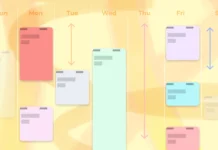
Time-blocking, a popular productivity tool, can be adapted for maintaining friendships. By scheduling social engagements just as you would work tasks, you give yourself permission to fully commit. Blocking a few hours every week to call, meet, or message friends can create a rhythm that balances work with meaningful interaction. Over time, this routine fosters stronger bonds that withstand busy periods.
Communication Techniques That Foster Stronger Bonds
Leveraging Digital Tools for Meaningful Interaction
In today’s digital age, technology offers incredible opportunities to stay connected even on the busiest days. A quick video call during a commute, a thoughtful voice message, or even sharing photos and stories through apps can bridge physical distance and time constraints. Using these tools thoughtfully helps keep conversations genuine and personal, rather than superficial or rushed, which is crucial for deepening friendships.
Active Listening and Its Role in Friendship Strengthening
Communication isn’t just about talking—it’s also about listening. Active listening shows friends you truly care. Even when time is limited, asking open-ended questions like “What’s been going on in your life?” and responding with empathy can turn brief interactions into meaningful moments. This kind of attention nurtures trust and creates a foundation that can support a friendship, no matter how hectic life becomes.
Integrating Friends Into Your Daily Routine
Collaborative Workouts and Shared Hobbies
Blending friendships with everyday activities is a powerful way to connect without needing extra time. Inviting friends to join workout sessions, hobby clubs, or creative projects turns routine errands into shared experiences. This approach transforms what might otherwise feel like obligations into enjoyable moments together, strengthening bonds naturally and consistently.
Turning Errands into Social Opportunities
Errands like grocery shopping or running small tasks often feel mundane. Yet, they offer unexpected chances to connect if done with a friend. Whether it’s meeting up before or after to catch up or inviting a friend to join your errands, these moments add a social element to your routines. Small interactions like these add up, making friendship maintenance feel less like an additional chore and more like a part of your daily life.
Setting Boundaries to Protect Your Social Life
How to Say No Without Guilt
One of the trickiest parts of balancing a busy life and friendships is learning to say no. Declining invitations or requests when overwhelmed can feel uncomfortable, but it’s essential for your well-being. Being honest about your limits while expressing appreciation for the invite helps maintain respect and understanding. This way, you protect your energy and time for moments when you can fully engage with friends.
Communicating Your Availability Effectively

Clear and honest communication about your availability goes a long way in preventing misunderstandings. Instead of hoping friends will “get it,” explicitly sharing your busy periods and reassuring them of your care keeps the connection strong. Simple messages explaining why you may be less present, paired with plans to reconnect, signal your commitment and prevent feelings of rejection.
Maintaining Long-Distance Friendships in a Hectic Career
Creative Ways to Stay Connected Remotely
For friends who live far away, maintaining closeness requires creativity. Virtual dinners, watching a movie together via streaming services, or participating in online games can mimic shared experiences. Sending personal notes or small care packages also bridges the distance. These actions show that despite physical separation and busy schedules, you value and nurture the friendship.
Scheduling Regular Check-Ins Despite Time Constraints
Establishing a routine for virtual check-ins creates a reliable structure that keeps friendships thriving. Whether it’s a monthly video call or a weekly text catch-up, having consistent touchpoints makes the connection feel intentional. Even brief conversations at set times can sustain long-distance bonds, providing emotional support and a sense of normalcy amidst the chaos of work.
Signs of Friendship Strain and How to Address Them
Recognizing Early Warning Signs
Friendships can hit rough patches, especially when life gets overwhelming. Early signs might include missed messages, canceled plans, or feelings of distance. Recognizing these signals early prevents misunderstandings from festering. It’s important not to dismiss these changes as just a phase but to acknowledge them as cues that the relationship needs attention.
Repairing and Rebuilding Connections
When strain occurs, open and empathetic conversations are key to rebuilding trust. Admitting your own limitations, apologizing for gaps, and expressing desire to reconnect can clear the air. Sometimes, inviting friends into imperfect moments rather than waiting for ideal conditions creates space for genuine reconnection. Repairing friendships takes effort, but the rewards of renewed closeness are well worth it.