
























Understanding the Importance of Family Meal Planning
Why Balanced Nutrition Matters for Every Family Member
Imagine a busy family where everyone rushes through their day, grabbing whatever food is quickest. Over time, this can lead to poor energy levels, frequent illnesses, and even behavioral issues in children. Balanced nutrition provides the essential fuel for physical growth, cognitive development, and emotional wellbeing. For example, including protein-rich foods helps growing children build strong muscles, while fiber-filled fruits and vegetables support healthy digestion for adults. When families prioritize well-rounded meals, they nurture not just their bodies but also create a foundation for lifelong healthy habits.
Common Challenges in Maintaining a Nutritious Family Diet
Everyone knows that planning healthy meals sounds straightforward, but the reality is often messy. Parents juggling work, kids’ extracurricular activities, and household chores can find themselves overwhelmed by the sheer effort required to plan and prepare balanced meals daily. Limited time means grabbing fast food or reheating leftovers becomes an easy fallback. Additionally, dietary preferences vary significantly within a family—one child might refuse vegetables while another avoids gluten. This diversity further complicates meal planning and can lead to frustration and inconsistent nutrition.
Step-by-Step Guide to Setting Up Your Family Meal Planning Routine
Assessing Your Family’s Nutritional Needs and Preferences
The foundation of an effective meal planning routine starts with understanding your family’s unique needs. Consider any allergies, medical conditions, or specific tastes. For instance, if a family member recently became vegetarian, meals will need to include plant-based proteins regularly. Sit together one evening and invite everyone to share their favorite meals or ingredients. This simple exercise ensures that the menu caters to both nutritional requirements and personal preferences, which increases the chances of meals being enjoyed rather than resisted.
Creating a Weekly Meal Schedule That Works for Everyone
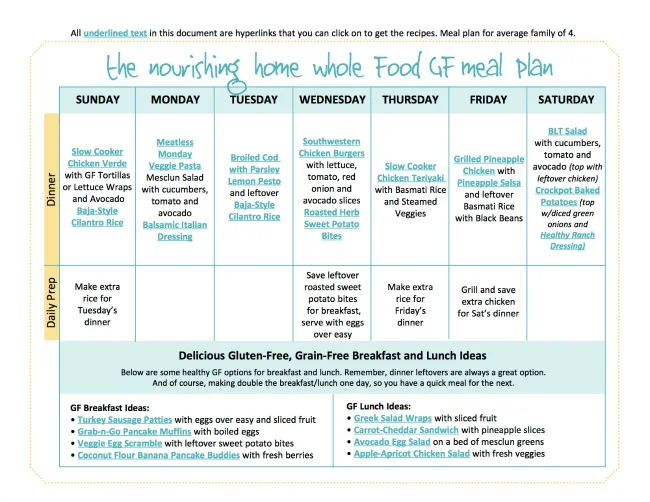
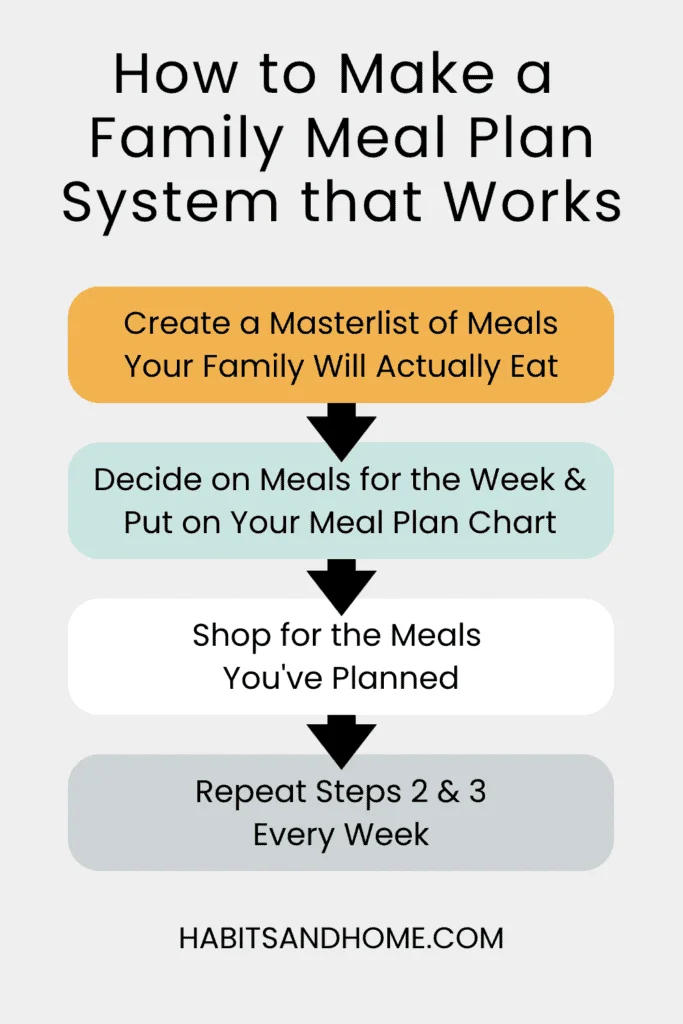
Once you know your family’s preferences, the next step is mapping out a weekly plan that fits your schedules. Assigning themes like Taco Tuesday or Pizza Friday can make meal decisions quicker and more fun. For example, a family with two working parents might choose easy-to-prepare dinners on the busiest nights and reserve weekends for more adventurous cooking or batch meals. Writing the plans down is crucial; it not only increases the likelihood of following through but also eliminates last-minute decisions that often lead to unhealthy choices.
Incorporating Variety and Balance into Your Meal Choices
Many families fall into the trap of repeating the same dishes week after week, leading to boredom and nutritional gaps. To avoid this, start by including a mix of proteins, whole grains, and plenty of colorful vegetables throughout the week. Introducing new recipes gradually can keep things exciting. For instance, you might dedicate one day to trying a recipe from a family cookbook or an online source. Rotating seasonal produce not only enhances flavor but also helps manage the grocery budget. Preparing protein and fiber-filled breakfasts, like oatmeal with nuts and berries, ensures a strong start to every day.
Practical Strategies to Simplify Meal Preparation
Batch Cooking and Freezing for Busy Weeks
Batch cooking can be a game changer when the weekdays get hectic. Dedicate a few hours over the weekend to prepare large portions of meals like soups, stews, or casseroles that freeze well. For example, roasting a whole chicken allows you to use leftovers creatively — shredded chicken can be added to rice and vegetables or turned into quick sandwiches. This approach not only saves time but also reduces the temptation to order takeout after a long day.
Smart Grocery Shopping Tips for Healthy Ingredients
Efficient grocery shopping underpins successful meal planning. Shopping during off-peak hours, such as early Sunday mornings, means fewer crowds and less temptation to impulsively buy unhealthy snacks. Bringing a printed meal planner and shopping list helps keep focus on necessary items. After shopping, taking the time to wash and cut fresh vegetables, portion meat, and prepare grains right away streamlines weekday meal prep. Additionally, keeping a list of easy recipes that use pantry staples ensures quick meal options when fresh groceries are running low.
Engaging Kids in Meal Preparation to Encourage Healthy Eating
Getting children involved in the kitchen can turn mealtime into quality family time while promoting healthy choices. Even young kids can help wash vegetables or arrange ingredients, fostering curiosity about food. For instance, letting a child pick a vegetable at the store or assign them a simple cooking task encourages ownership of what goes on their plates. This involvement often leads to more willingness to try new foods and develop balanced eating habits from an early age.
Adjusting and Evolving Your Meal Planning Routine
Tracking Progress and Gathering Family Feedback
Meal planning is a dynamic process that benefits from regular reflection. Keep notes on which meals were hits or misses, and ask family members for honest feedback. Perhaps a new recipe didn’t work because it required too much prep on a busy night, or maybe a certain vegetable was consistently left untouched. Adjust your plans accordingly, making note of days when cooking time is limited by scheduling easy or leftover meals. This feedback loop ensures the routine remains practical and enjoyable for everyone involved.
Adapting to Changing Nutritional Needs Over Time
As children grow or family circumstances shift, nutritional requirements and preferences naturally evolve. A toddler’s dietary needs differ vastly from a teenager’s, and an active adult’s meals may require more calories or protein. Periodically reassessing your meal planning routine helps accommodate these transitions. For example, incorporating more fiber and iron-rich foods during adolescence or adjusting portions and ingredients as family members develop new health goals. Staying flexible and responsive to these changes ensures your family continues to benefit from balanced nutrition year-round.