






















Understanding Minimalism in Fashion
What is a Minimalist Wardrobe?
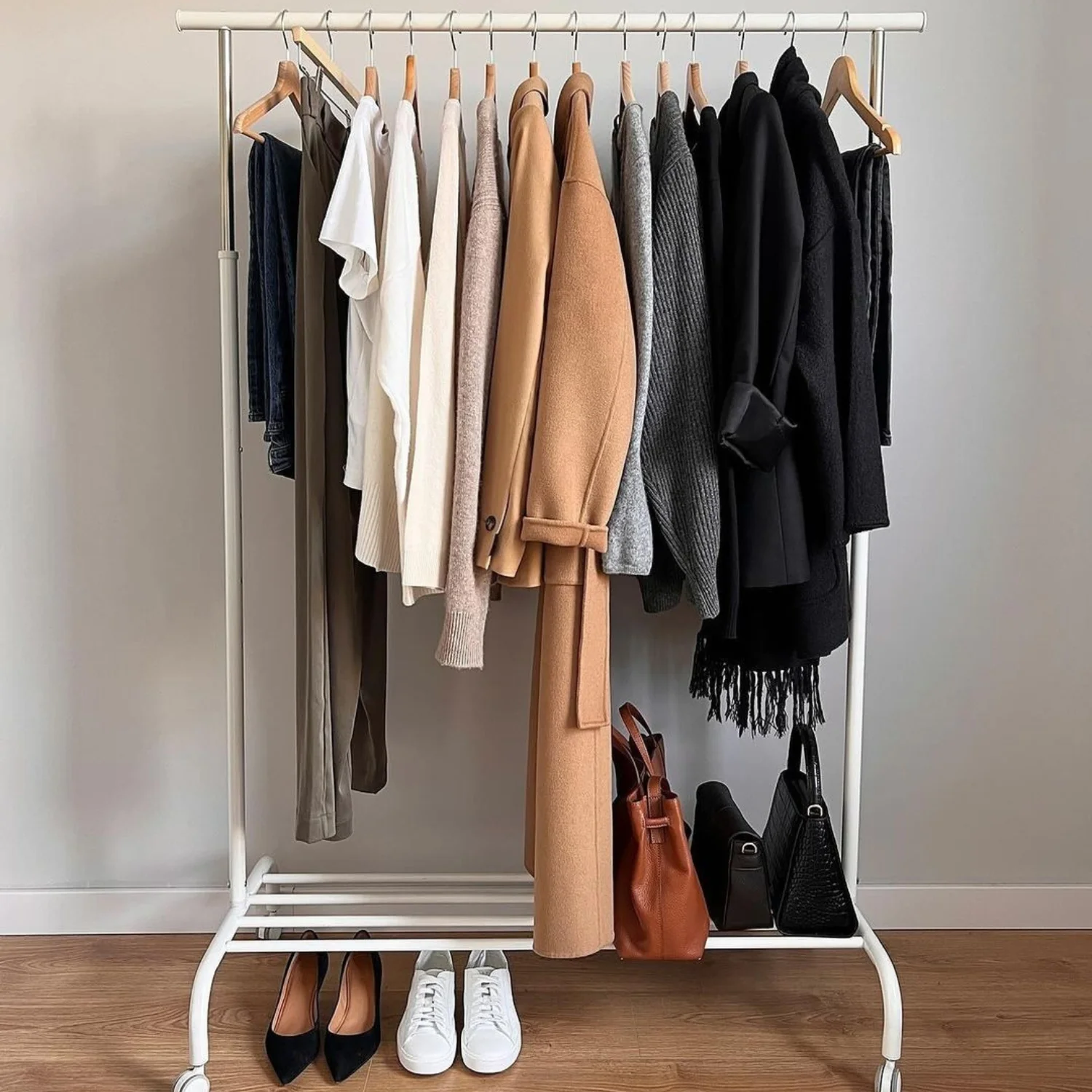
A minimalist wardrobe is more than just fewer clothes; it’s about intentionality and simplicity in what you wear. It involves curating a collection of garments that are versatile, functional, and suit your lifestyle without excess. The idea is to own pieces that you love, that coordinate well together, and that reduce decision fatigue in your daily routine. Rather than chasing trends or accumulating items, a minimalist wardrobe focuses on quality over quantity and thoughtful selection.
Benefits of Minimalism: Time, Money, and Mindset
Embracing minimalism in fashion can transform not only your closet but your life. One of the most immediate benefits is saving time. When your wardrobe is pared down to essentials, choosing an outfit each day becomes quicker and less stressful. Financially, it can lead to smarter purchasing decisions and less wasteful spending—no more impulse buys that end up unused. Lastly, minimalism cultivates a mindset of contentment and clarity; when you focus on what truly matters, your relationship with clothing becomes simpler and more satisfying.
Assessing Your Current Wardrobe
Conducting a Clothing Audit
Before building a minimalist wardrobe, it’s crucial to understand what you currently own. Take the time to do a thorough clothing audit. Go through every item, trying to be honest about what you wear and what you don’t. This process helps identify garments that are no longer serving you, whether due to style, fit, or wear. A helpful approach is to lay everything out and group items by category — it gives a visual sense of your collection and makes decision-making easier.
Identifying Gaps and Overlaps
As you evaluate your wardrobe, pay attention to what you have too much of and what’s missing. You might find multiple pieces serving the same purpose or none fitting your current lifestyle well. This insight is key to defining what your wardrobe really needs. Identifying these gaps and overlaps helps prevent unnecessary purchases and sets a clear path toward creating a functional capsule collection that truly works for you.
Defining Your Personal Style
Choosing Versatile Pieces
Minimalism doesn’t mean sacrificing style—it means honing it. The foundation of a minimalist wardrobe is versatile pieces that can be dressed up or down and mixed seamlessly. Think classic silhouettes, timeless cuts, and fabrics that move easily between occasions. Finding pieces that resonate with your daily activities and make you feel confident is essential. Versatility ensures each item is worn frequently and remains relevant through different seasons and trends.
Color Palettes That Simplify Choices
Color plays a huge role in simplifying your wardrobe. Selecting a cohesive color palette reduces the complexity of matching outfits. Many minimalist wardrobes rely on neutrals like black, white, navy, and gray, but that doesn’t mean you have to shy away from color. Incorporate a few signature hues that reflect your personality and mix well with your basics. This subtle balance creates harmony in your closet and makes dressing effortless.
Building the Capsule Wardrobe
Essential Clothing Items for Men and Women
When assembling a capsule wardrobe, focus on foundational pieces suited to your lifestyle. For men, this might mean well-fitted jeans, crisp white shirts, neutral sweaters, and versatile jackets. Women might select tailored trousers, comfortable dresses, simple tops, and a statement coat. Both can benefit from quality shoes and thoughtfully chosen accessories. The key is to prioritize items that can be layered and combined without overwhelming your space or style.
Mix and Match Strategies

One of the joys of a minimalist wardrobe is the ease of creating endless outfit combinations. By choosing items that complement one another, you create a system where each piece contributes to multiple looks. Experiment with layering, textures, and accessories to keep things interesting. Adjust your favorite outfits over time to reflect changes in season or mood. This flexibility ensures your wardrobe remains fresh and engaging without needing constant additions.
Purchasing with Purpose
Quality Over Quantity
When adding new pieces, make quality your priority. Investing in well-made garments that last longer not only saves money in the long run but also supports sustainable practices. Look for durable fabrics, solid construction, and timeless styles. Quality items hold their shape and color better, which means they stay in rotation much longer than fast fashion counterparts.
Shopping Tips to Avoid Impulse Buys
One of the biggest challenges in minimalism is resisting impulse purchases. To shop intentionally, create a list based on your wardrobe audit and stick to it. Avoid shopping when emotional or rushed, and give yourself a waiting period before buying anything new. This pause helps clarify if the item fits your style, meets a genuine need, and coordinates with your existing pieces. Remember, the goal is to make minimalism work for your lifestyle—not to follow rigid rules that don’t serve you.
Maintaining and Evolving Your Wardrobe
Seasonal Review and Updates
Maintaining a minimalist wardrobe is an ongoing process. Regularly reviewing your collection each season allows you to assess what’s still working, what needs repair, and what might be removed. Decluttering isn’t a one-time task; it evolves as your tastes and needs change. Enjoy the space you create through this practice and appreciate the clarity it brings to your style.
Repair, Donate, and Recycle Clothes
Instead of discarding clothes at the first sign of wear, consider repair or alteration to extend their life. When you let go of items, donating or recycling them responsibly minimizes waste and benefits others. This conscious approach aligns with the minimalist mindset of valuing resources and reducing clutter without regret. It also makes room for meaningful additions that complement your refined wardrobe.