























Understanding the Importance of Boundaries in Friendships
Defining Healthy Boundaries
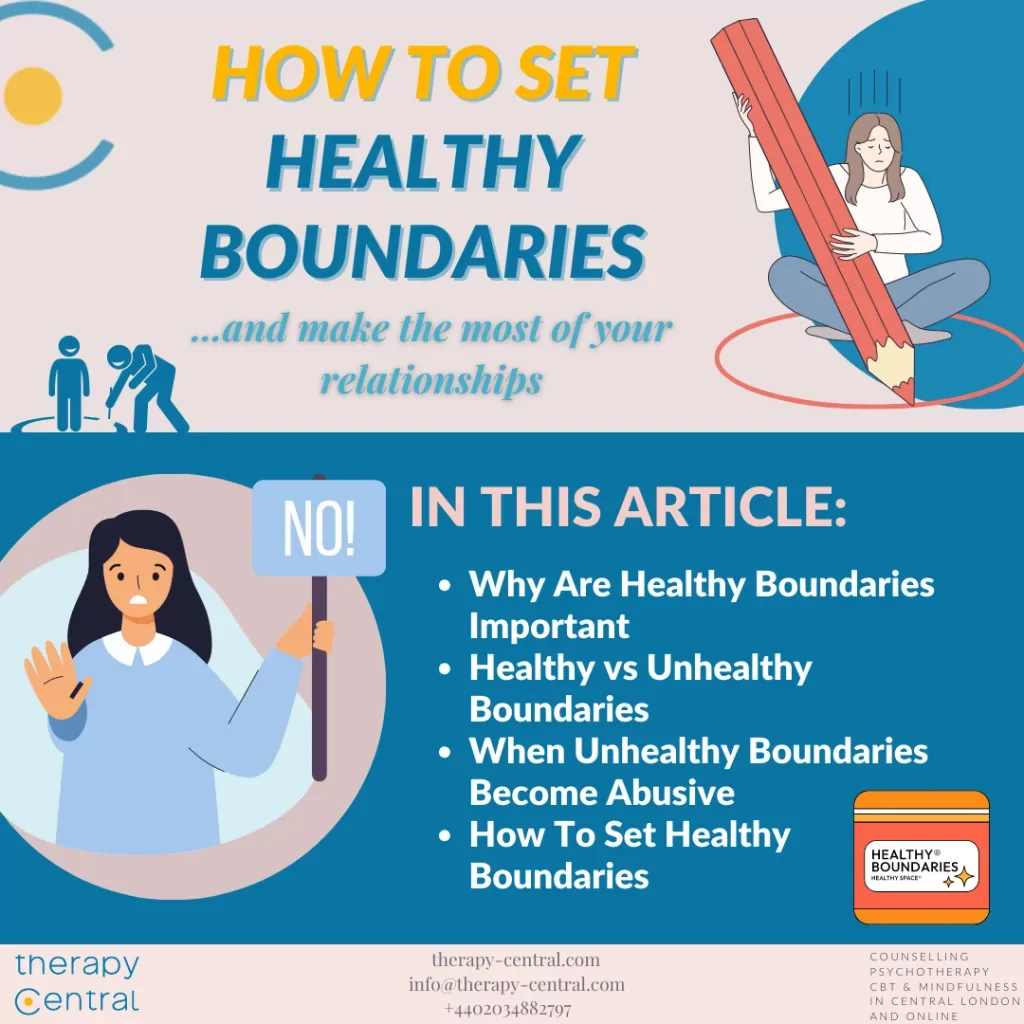
Healthy boundaries in friendships serve as invisible lines that define how much emotional, physical, and mental space you allow others to occupy in your life. They are essential in protecting your well-being while enabling connection and intimacy. Boundaries help clarify expectations for behavior, communication, and mutual respect, so both friends feel safe and valued. Rather than being walls that isolate, these boundaries act like a framework within which relationships can thrive without causing harm or resentment.

Why Boundaries Matter in Close Relationships
In close friendships, boundaries are crucial for maintaining balance and preventing misunderstandings. When boundaries are clear, friends can express true feelings and needs openly without fear of judgment or rejection. This openness strengthens trust and prevents resentment from accumulating over unmet expectations. Moreover, boundaries help to preserve your energy and emotional health by ensuring that relationships remain supportive rather than draining. Ultimately, they allow friendships to be spaces for mutual growth and joy rather than sources of stress.
Common Challenges When Setting Boundaries with Friends
Fear of Losing the Friendship
One of the most common obstacles when setting boundaries is the fear that speaking up might damage or end the friendship. This worry often comes from a desire to maintain harmony and avoid confrontation. However, avoiding the conversation can lead to unspoken resentment, which is more likely to harm the relationship over time. Navigating this fear involves recognizing that a true friendship can adapt and grow stronger when honest communication occurs, even if it feels uncomfortable at first.
Guilt and Emotional Reactions
Setting limits can trigger feelings of guilt or self-doubt, particularly if you worry about disappointing the other person. Emotional reactions are natural, especially when boundaries feel unfamiliar or risky to express. It can be helpful to remind yourself that prioritizing your emotional health is not selfish. Instead of ignoring your feelings or suppressing your needs, addressing them thoughtfully encourages respect and deeper understanding within the friendship. Emotional responses often diminish as healthy boundaries become the norm.
Steps to Establish Boundaries Respectfully
Identifying Your Needs and Limits
The first step in setting boundaries is to gain clarity about what you need to feel safe and respected in the friendship. Reflect on moments when you felt uncomfortable, overwhelmed, or disrespected. Pay attention to how you feel before, during, and after spending time with friends. Understanding these emotional cues helps you pinpoint what limits are necessary. By defining your own needs and limits first, you create a strong foundation for honest conversations that are rooted in your experience rather than assumptions.
Communicating Clearly and Compassionately
After identifying your boundaries, the next step is to express them in a way that conveys respect for both yourself and your friend. Clear communication involves stating your feelings and needs using “I” statements to avoid blame, such as “I feel overwhelmed when…” rather than “You always…” Compassionate communication also means listening to your friend’s response and validating their feelings even if you maintain your boundaries. This two-way process fosters mutual respect and reduces the chance of misunderstandings or defensiveness.
Using Examples to Illustrate Boundaries
Offering concrete examples when discussing boundaries can help your friend understand your perspective more clearly. For instance, if you need more personal time, you might explain times when you’ve felt drained or stressed by frequent demands. Examples provide context that makes abstract boundaries tangible and relatable. They also help prevent assumptions, making it easier for your friend to see how certain behaviors impact you and why changes might be necessary for the friendship to continue positively.
Maintaining Friendships After Setting Boundaries
Handling Pushback or Resistance
It’s common to encounter some resistance when you introduce new boundaries, as change naturally challenges existing dynamics. When pushback occurs, stay calm and restate your reasons clearly without becoming defensive. Remind yourself that appropriate boundaries do not control or hurt others; they protect your well-being. You can choose to be firm yet kind, emphasizing that your goal is to strengthen the friendship through honesty rather than conflict. Sometimes, creating space or distance temporarily helps both parties adjust and grow.
Balancing Flexibility with Consistency
Effective boundary-setting involves balancing firmness with understanding. While consistency in upholding your boundaries is important to prevent confusion or resentment, being rigid in every situation may hinder natural adjustments that healthy friendships require. Flexibility allows you to consider your friend’s needs or unique circumstances while still respecting your core limits. This balance builds trust and shows that you value the relationship but also respect yourself and your limits.
Signs of a Healthy vs. Toxic Friendship
Recognizing Mutual Respect and Support
A healthy friendship is marked by mutual respect where both friends listen, support, and celebrate each other’s successes without jealousy or competition. Friends in such relationships create a safe space where honest communication and help flow both ways. You feel energized and valued rather than drained or judged. Healthy friendships respect boundaries and allow individuals to grow independently while maintaining emotional closeness.
When Boundaries Are Not Respected
If you notice repeated disregard for your boundaries or one-sided interactions where your needs are consistently ignored, it may be a sign of an unhealthy dynamic. This can cause bitterness, hurt feelings, or even identification of frenemies—those who may not genuinely wish you well. Being aware of how you feel during and after interactions can help you identify these patterns. When boundaries break down repeatedly, addressing the issue calmly and directly is important to protect your emotional health and the integrity of your relationships.