

















Introduction to Herbal Tinctures
What is a Herbal Tincture?
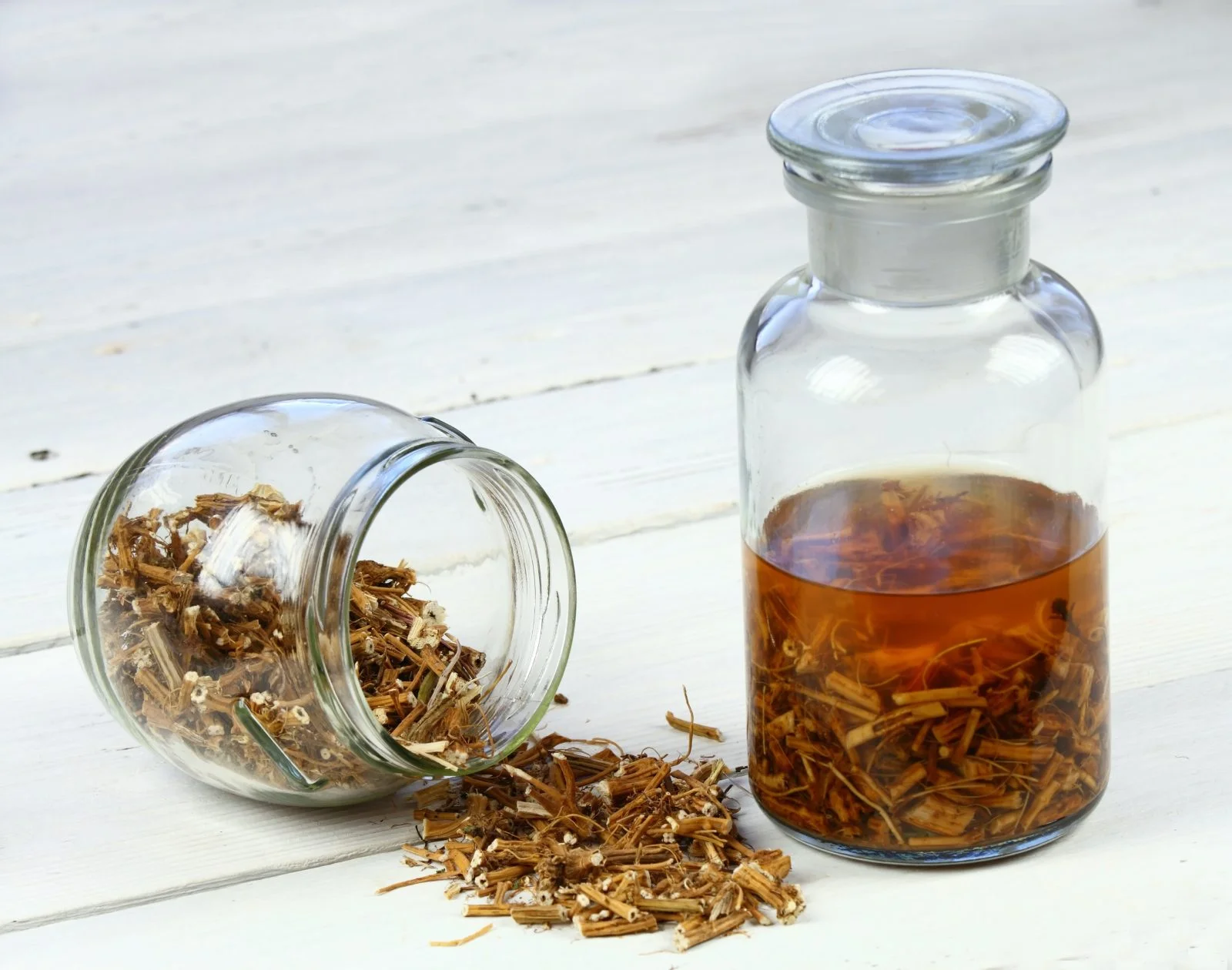
Imagine having a small bottle filled with the concentrated essence of nature’s most healing plants. That’s exactly what a herbal tincture is—a liquid extract made by soaking herbs in alcohol or another solvent to draw out their medicinal properties. Instead of brewing a tea each time, tinctures offer a potent, easy-to-use format. For instance, my neighbor developed a tincture from echinacea and elderberry to take during the cold season, finding it much more convenient and effective than loose herbs.
Benefits of Using Tinctures for Immune Health
Tinctures provide a quick and powerful way to support your immune system. Because the herbs are concentrated, a few drops deliver a significant boost without the need for large amounts of raw herbs. They are also shelf-stable, lasting for several years when stored properly, making them a practical choice for busy individuals. In a real-world scenario, a friend who struggled with seasonal allergies found that a daily dose of herbal tincture helped reduce symptoms and improved her overall resilience to infections.
Essential Ingredients and Tools
Choosing the Right Herbs for Immunity
Selecting herbs that are known to enhance immune function is critical. Common choices include echinacea, elderberry, astragalus, and garlic. Each has unique properties; echinacea is renowned for stimulating white blood cells, while elderberry contains antioxidants that fight viruses. Think of creating a blend like a chef crafting a recipe—balancing the flavors and strengths of various herbs to achieve a powerful immune mix.
Alcohol vs. Glycerin: Which Solvent to Use?
When it comes to extracting herbal compounds, the choice of solvent matters. Alcohol, typically vodka or grain alcohol, is a strong extractor that pulls out a wide range of constituents and acts as a natural preservative. However, some people prefer glycerin because it’s alcohol-free, slightly sweet, and gentler, especially for children or those avoiding alcohol. For example, a family with young kids might opt for glycerin tinctures to ensure safety while maintaining effectiveness.
Necessary Equipment for DIY Tincture Making
Making your own tincture doesn’t require a fancy lab. Basic kitchen tools suffice: glass jars with tight lids, measuring cups or spoons, dark-colored dropper bottles for storage, and a fine strainer or cheesecloth. A friend of mine started tincture-making using an empty mason jar and some vodka from the pantry. Within weeks, she had a personalized immune booster that was far more affordable and customized than store-bought options.
Preparation: Harvesting and Preparing Herbs
When and How to Harvest Herbs
The potency of your tincture depends greatly on when you harvest herbs. Generally, morning is best—after dew has evaporated but before the sun becomes too intense. Fresh leaves, flowers, and roots should be picked at their peak for maximum active compounds. For example, harvesting elderflowers on a sunny day when they are fully open ensures you capture the best immune-supportive properties.
Preparing Fresh vs. Dried Herbs for Tinctures
Fresh herbs retain volatile oils and enzymes, giving a different profile compared to dried herbs, which are more concentrated and easier to store year-round. When using fresh herbs, chop them finely to expose more surface area to the solvent. Dried herbs, on the other hand, should be loosely packed in the jar to allow proper soaking. Someone I know grows their own astragalus and prefers using dried roots in tinctures because they can store them through winter and still make effective immune blends anytime.
Step-by-Step Process of Making a Herbal Tincture
Measuring and Mixing Ingredients
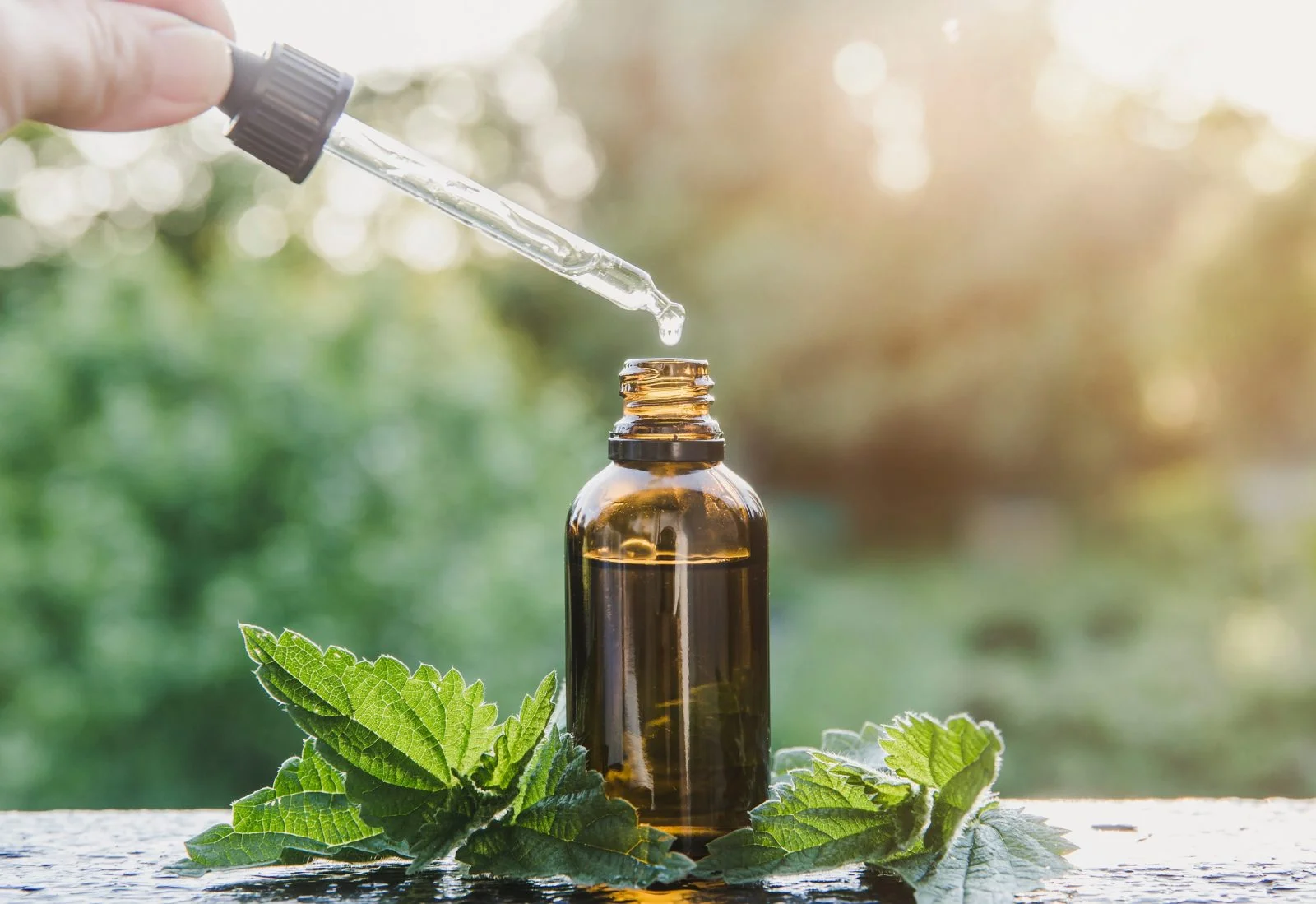
Start by weighing your herbs accurately. A common ratio is 1 part herb to 5 parts alcohol for dried herbs, and 1 part herb to 2 parts alcohol for fresh herbs. It’s easy to follow, like cooking from a recipe—precision ensures the right potency. For example, using 50 grams of dried echinacea root with 250 milliliters of vodka aligns perfectly with standard tincture-making ratios.
Infusion Techniques: Maceration and Percolation
The most common method is maceration—herbs soak in liquid, often in a jar sealed for 4-6 weeks with occasional shaking. Percolation, a faster technique where solvent trickles through the herbs, requires more equipment and is less common for home use. A neighbor’s experience highlights the patient path: she stirred her jar daily, and after a month, her immune tincture was robust and flavorful.
Proper Storage and Aging Time
Once the infusion period is over, strain the herbs from the liquid using a fine sieve or cheesecloth. Store the filtered tincture in amber glass bottles away from direct sunlight. Aging for several weeks can improve the flavor and balance. In practice, one person I know always labels their tinctures with the date made and notices that the tincture deepens in potency and smoothness with a little extra rest before use.
Using and Dosage Recommendations
How to Use Your Homemade Tincture Safely
Herbal tinctures are typically taken by placing drops under the tongue or diluting them in water. This quick absorption method supports fast immune response. However, it’s important to start with small amounts to monitor your body’s reaction. When my sister first used her elderberry tincture, she began with five drops daily and gradually increased, ensuring she experienced no side effects.
Suggested Dosage for Immune Support
For immune boosting, a common dosage ranges from 20 to 40 drops taken two to three times daily. This translates roughly to 1-2 milliliters per dose. The exact amount depends on factors like age, weight, and individual constitution. For example, an older adult with a sensitive system might start on the lower end, while a healthy young adult could take the higher dose during cold season.
Tips, Troubleshooting, and Safety Considerations
Common Mistakes to Avoid
One frequent error is not shaking the jar regularly during maceration, which can lead to uneven extraction. Another is overpacking herbs, making it hard for the solvent to penetrate. I recall a first-time tincture maker who discovered mold growth because she sealed a jar with wet herbs and no air circulation. Learning proper technique upfront prevents such pitfalls.
Signs of a Quality Tincture
A good tincture should have a strong aroma and rich color reflective of the herbs used. It should taste potent and slightly bitter or herbaceous, not flat or spoiled. When my friend compared two elderberry tinctures—one homemade and one commercial—the homemade had a sharper, fresher flavor, indicating a high-quality extract.
Precautions and Who Should Avoid Herbal Tinctures
While tinctures offer many benefits, they are not suitable for everyone. Pregnant or breastfeeding women, individuals on certain medications, or those with alcohol sensitivities should consult healthcare providers before use. My cousin, who was on blood thinners, learned this the hard way and now checks with her doctor before starting any herbal supplements to avoid interactions.