























Introduction to Transitioning from Low-Carb to Full Keto
Understanding the Differences Between Low-Carb and Keto
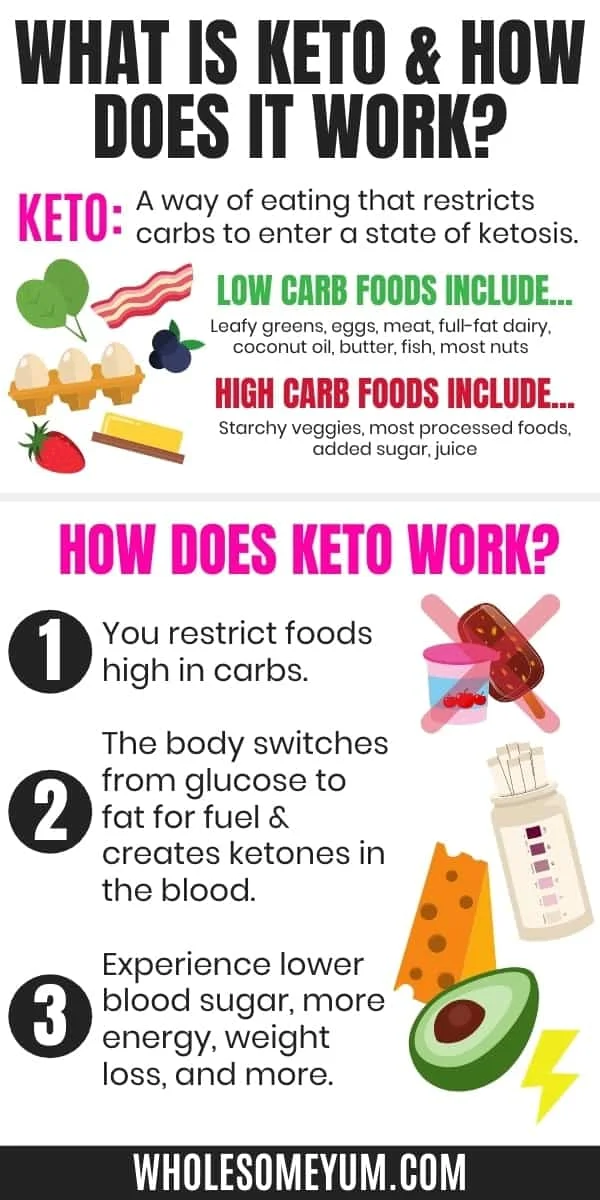
Both low-carb and ketogenic diets limit carbohydrate intake, but they differ in the degree of restriction and metabolic impact. Low-carb diets typically reduce carbs moderately, allowing a wider range of foods. In contrast, the full keto diet drastically cuts carbs to 5-10% of daily calories, forcing the body into ketosis—a state where fat is the primary fuel source. This metabolic shift requires precise macronutrient balance and a focus on high fat consumption.

Benefits of Fully Embracing the Keto Lifestyle
Adopting the keto lifestyle fully can enhance weight loss by promoting fat burning and reducing appetite naturally. It may improve insulin sensitivity and help regulate blood sugar levels, offering benefits for metabolic health. Beyond weight management, keto has potential therapeutic effects for conditions like epilepsy, Alzheimer’s disease, and certain cancers. Embracing keto can lead to sustained energy stability and improved mental clarity once the body adjusts.
Essential Preparations Before Starting Keto
Assessing Your Current Low-Carb Eating Habits
Before transitioning, evaluate your current carb intake and food choices. Understanding your baseline will help identify gaps and areas needing adjustment. This step includes noting any favorite foods that may need substitution and recognizing habitual eating patterns that could challenge keto adherence. Awareness of your current macronutrient balance is crucial for a smooth transition.
Setting Realistic Goals for the Keto Transition
Clear, achievable goals support commitment during this dietary shift. Whether targeting weight loss, improved metabolic health, or increased mental focus, defining objectives keeps motivation strong. Consider setting incremental milestones, such as reducing carb intake weekly until keto levels are reached, to prevent overwhelm and allow your body to adapt gradually.
Gathering Keto-Friendly Foods and Supplements
Stocking your kitchen with keto staples simplifies meal planning and helps avoid slipping into old eating habits. Prioritize foods rich in healthy fats, moderate-quality proteins, and very low carbs. Supplements like electrolytes, magnesium, and omega-3s may support health and ease transition symptoms. Preparing your environment increases the likelihood of keto success.
Step 1: Gradually Adjusting Macronutrient Ratios
Identifying Keto Macro Targets
Keto macros generally consist of 70-75% fat, 20-25% protein, and 5-10% carbohydrates. These targets encourage ketosis and fat metabolism. Transitioning from a low-carb diet, where carbs might still be present at higher levels, requires steadily reducing carbohydrate intake to meet these strict limits while increasing healthy fats. Awareness of your macro targets is essential for effective diet planning.
Tracking Your Daily Carb, Fat, and Protein Intake
Monitoring intake through apps or food journals helps maintain adherence to keto macros. This practice highlights where adjustments are necessary and ensures carbs stay within limits without compromising protein or fat needs. Tracking also provides insight into nutrient density, allowing for smarter food selections that support overall nutrition and satiety throughout the day.
Step 2: Incorporating Keto-Specific Foods
Replacing Non-Keto Ingredients in Meals
Transitioning means swapping higher-carb foods with keto-friendly alternatives. Replace grains and starchy vegetables with low-carb options like cauliflower or zucchini. Avoid sugar-laden sauces and opt for herbs, spices, and healthy fats to enhance flavor. This shift requires creativity but opens the door to diverse, satisfying meals that align with keto principles.
Fat Sources to Focus on in a Keto Diet
Healthy fats are the cornerstone of keto. Emphasize avocados, olive oil, coconut oil, nuts, seeds, and fatty fish. These sources provide essential fatty acids and support cellular health while improving energy levels. Prioritizing quality fats encourages sustainable ketosis and helps manage hunger between meals.
Step 3: Managing Transition Symptoms
Recognizing Keto Flu and How to Alleviate It
Many experience “keto flu” during initial carb restriction, marked by headaches, fatigue, irritability, and brain fog. These symptoms arise from electrolyte imbalances and the body adapting to fat metabolism. To alleviate discomfort, gradually lower carbs and increase fat intake, allowing smoother metabolic adjustment. Rest and gentle exercise can also aid recovery during this phase.
Staying Hydrated and Balancing Electrolytes
Hydration is critical as the body loses water and electrolytes more rapidly on keto. Drinking plenty of fluids and replenishing sodium, potassium, and magnesium supports energy and reduces symptoms like cramps and dizziness. Incorporating mineral-rich foods or supplements helps maintain balance and overall well-being during the transition.
Step 4: Optimizing Your Daily Routine for Keto
Meal Planning and Prepping Strategies
Planning meals ahead simplifies sticking to keto macros and minimizes impulse choices. Batch cooking keto dishes and preparing snacks reduces stress and saves time. A consistent routine supports metabolic adaption and helps avoid hidden carbs, reinforcing healthy habits and steady energy throughout the day.
Exercise Considerations and Energy Levels
Exercise may initially feel more challenging as the body shifts fuel sources. Short, moderate workouts are advisable while adapting, focusing on activities like walking, yoga, or light resistance training. Over time, energy typically stabilizes and performance improves, especially with adequate hydration and nutrition. Tailoring activity levels to how you feel ensures sustainability.
Monitoring Progress and Adjusting as Needed
Using Biomarkers and Ketone Level Tests
Tracking ketone levels via blood, breath, or urine tests confirms whether you are in ketosis. Monitoring biomarkers like blood glucose and lipid profiles supports understanding of metabolic changes. Regular checks allow timely dietary tweaks and provide motivation by showing measurable results of your efforts.
How to Tweak Your Diet for Best Results
Based on progress and personal response, adjust fat, protein, or carb intake to optimize results. Some may benefit from slightly higher protein or targeted carb timing around workouts. Flexibility ensures the diet fits individual needs while maintaining ketosis and overall health. Listening to your body is key to long-term success.
Conclusion: Fully Embracing the Keto Way of Life
Transitioning from low-carb to full keto requires planning, patience, and discipline. By understanding the unique demands of keto, making informed food choices, and responding to your body’s signals, you can harness its benefits effectively. Fully embracing keto is not just a diet change but a lifestyle adjustment that promotes lasting health and vitality.