





















Introduction to Quinoa as a Gluten-Free Protein Option
Imagine walking into your local grocery store and spotting a small bag filled with tiny, pearl-like grains labeled “quinoa.” For many people navigating gluten-free diets, quinoa has become a trusted pantry staple and a versatile protein source. Unlike traditional gluten-containing grains like wheat, barley, or rye, quinoa offers a naturally gluten-free option packed with nutrients. Whether you’re new to gluten-free living or exploring more nutritious proteins, quinoa offers an accessible and delicious way to enrich your meals.

Understanding Quinoa: A Nutritional Powerhouse
What Makes Quinoa Gluten-Free?
Quinoa is not actually a grain but a seed from the Chenopodium plant. Its botanical uniqueness means it doesn’t contain gluten, making it a safe and nutritious alternative for people with celiac disease or gluten sensitivity. Unlike wheat, quinoa doesn’t trigger the immune response that causes damage to the intestines in individuals with gluten intolerance, allowing for safe consumption in gluten-free diets.
Protein Profile of Quinoa Compared to Other Grains
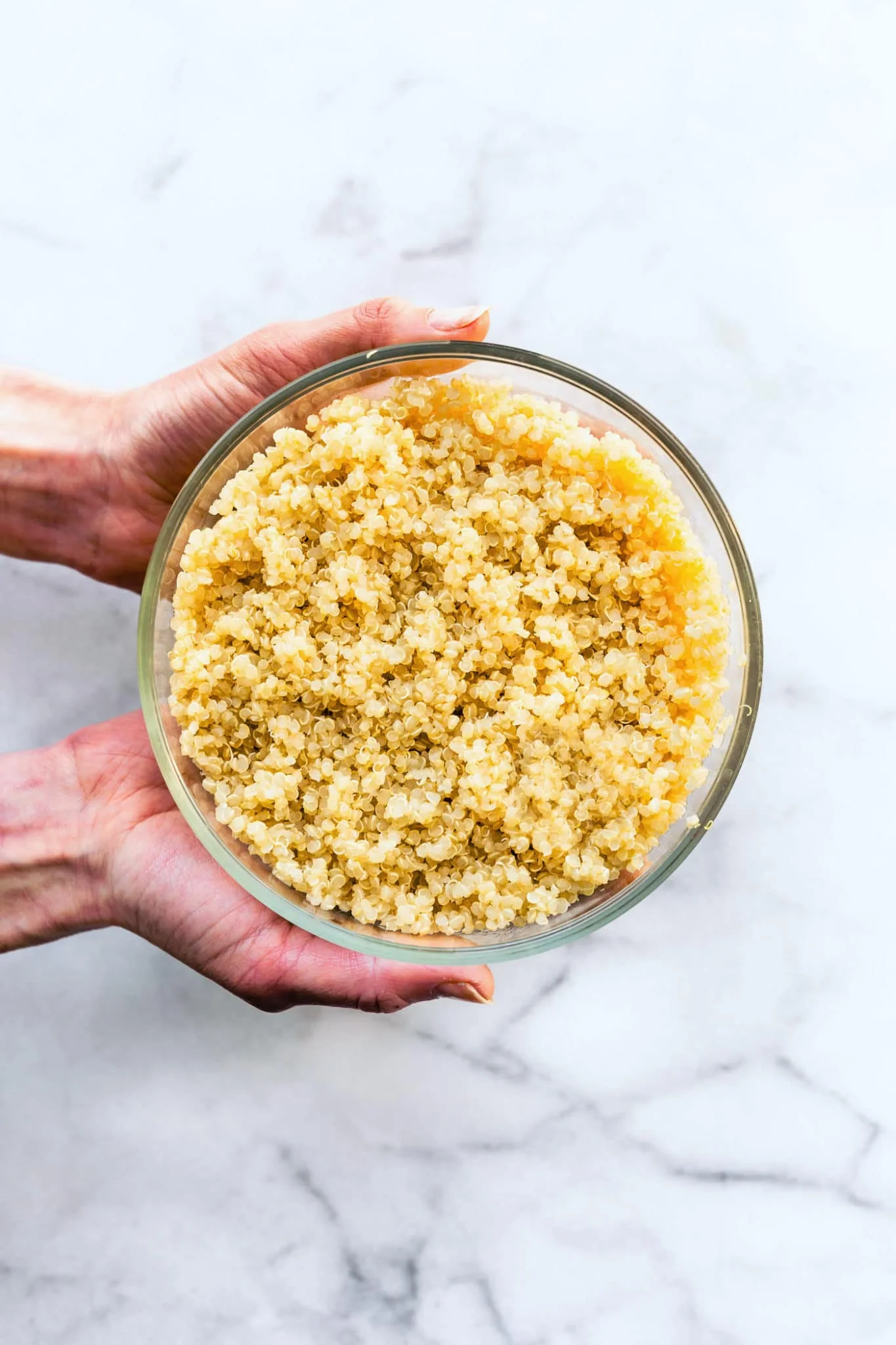
What sets quinoa apart from many grains is its complete protein profile. Most plant-based foods lack one or more essential amino acids, but quinoa contains all nine, making it a rare plant-based complete protein. For example, a cup of cooked quinoa provides about 8 grams of protein, which is significantly more than white rice or barley, both of which have lower protein content and incomplete amino acid profiles. This quality makes quinoa especially valuable for vegetarians, vegans, or anyone looking to boost their protein intake without gluten.
Step 1: Selecting the Best Quinoa for Your Needs
Different Varieties and Their Uses
Quinoa comes in several varieties, including white, red, and black. White quinoa is the most common and has a mild flavor, making it suitable for beginners or those wanting a subtle taste. Red and black quinoa tend to have stronger, earthier flavors and are often preferred in salads or recipes where their color can add visual appeal. For instance, if you’re preparing a vibrant quinoa salad for a summer barbecue, mixing red and black quinoa can brighten your dish both in flavor and aesthetics.
Tips for Buying High-Quality Quinoa
When purchasing quinoa, look for dry, well-sealed packages with no signs of moisture or clumping. Many brands now offer pre-rinsed quinoa, which can save time and reduce the risk of bitterness. However, if you choose bulk quinoa, be sure to rinse it before cooking to remove the natural bitter coating. Buying organic quinoa is also a good option for those concerned about agricultural chemicals, and checking the origin can help ensure quality — quinoa from the Andean region is typically regarded as the finest.
Step 2: Preparing Quinoa for Cooking
Why Rinse Quinoa Before Cooking?
A common mistake many make is cooking quinoa straight from the package without rinsing. Quinoa’s outer coating contains saponins, natural compounds that protect the plant from insects but impart a bitter taste when cooked. For example, a friend once complained about her quinoa tasting harsh and soapy—she had skipped rinsing. Rinsing quinoa under cold running water using a fine mesh strainer for 30-60 seconds removes these saponins and ensures a clean, nutty flavor, transforming the eating experience dramatically.
Soaking and Its Benefits
Some cooks also recommend soaking quinoa for 15-30 minutes before cooking. Soaking can help reduce cooking time, improve texture, and enhance digestibility by breaking down some of the starches. While soaking is optional, it particularly benefits those with sensitive digestion or when preparing large batches. After soaking, make sure to drain and rinse the quinoa again to maintain its light, fluffy quality after cooking.
Step 3: Cooking Techniques for Perfect Quinoa
Stovetop Method Explained
One of the simplest ways to cook quinoa is on the stovetop. Start by rinsing the quinoa thoroughly. Use a ratio of 1 cup quinoa to 2 cups water or broth for added flavor. Bring the liquid to a boil, add the quinoa, reduce heat to low, and cover the pot. Let it simmer gently for about 12-15 minutes, until the water is fully absorbed and the quinoa grains appear translucent with the white germ ring visible. Turning off the heat, let the quinoa rest covered for 5 minutes to allow it to fluff up. Before serving, fluff it gently with a fork to separate the grains. This resting step is crucial for achieving a light, tender texture and avoiding mushiness.
Using a Rice Cooker or Instant Pot
For busy home cooks, electric appliances simplify quinoa preparation. When using a rice cooker, follow the same 1:2 quinoa-to-water ratio and select the “white rice” setting. The machine will automatically switch off when cooked, and letting quinoa rest in the cooker for a few minutes before fluffing keeps it fluffy. The Instant Pot offers an even faster option. Use a 1:1.5 quinoa-to-water ratio, pressure cook for 1 minute on high, then allow a natural pressure release for 5-7 minutes. This method yields perfectly cooked quinoa with minimal monitoring. Slow cookers can also be used for an all-day cooking process: combine rinsed quinoa and water, cook on low for 4-6 hours, and fluff occasionally to prevent clumping and promote fluffiness.
Step 4: Incorporating Quinoa into Gluten-Free Meals
Breakfast Ideas Featuring Quinoa
Quinoa’s versatility shines in breakfast dishes. Consider starting your day with a warm bowl of quinoa porridge cooked in almond milk, sweetened with honey and topped with fresh berries and nuts. For busy mornings, quinoa can be added to smoothies or used as a base for gluten-free granola bowls. Some even bake quinoa into muffins or pancakes, adding nutritional boost without gluten worries. Using quinoa flour, made by grinding toasted quinoa seeds, introduces a nutty flavor to your baked goods, expanding breakfast possibilities beyond the usual oats or rice flour.
Lunch and Dinner Recipes with Quinoa
Quinoa’s adaptability extends well into lunch and dinner. It can serve as a hearty salad base mixed with fresh vegetables, herbs, and a lemony vinaigrette or be a simple side dish substituting rice or couscous. For example, a grilled chicken and quinoa bowl tossed with roasted vegetables and a tangy dressing provides a balanced, gluten-free meal. Beyond that, ground quinoa flour can be used to make gluten-free burger patties or even added to soups for extra texture and nutrition. Experimenting with broth instead of water when cooking quinoa adds depth, making it a flavorful side or main dish component.
Health Benefits of Including Quinoa in a Gluten-Free Diet
Protein and Amino Acid Profile
One of quinoa’s strongest selling points is its high-quality protein. Unlike many gluten-free grains that lack essential amino acids—such as rice or corn—quinoa contains all nine essential amino acids. This balance is critical for muscle repair, enzyme production, and overall metabolic health, making quinoa an excellent choice for anyone adhering to a gluten-free diet, which can sometimes be low in protein.
Other Key Nutrients in Quinoa
Beyond protein, quinoa is a rich source of fiber, magnesium, iron, and B vitamins, supporting heart health, energy production, and digestion. Its antioxidant compounds combat inflammation, making it beneficial for overall wellness. Including quinoa regularly can help fill nutritional gaps that may occur in gluten-free diets often reliant on processed alternatives.
Common Mistakes to Avoid When Cooking Quinoa
Many novice cooks encounter pitfalls when preparing quinoa, affecting texture and taste. The most frequent error is skipping the rinse step, which leaves a bitter coating due to saponins. Another common mistake is not covering the pot during the resting period after cooking, which prevents quinoa from becoming light and fluffy. Incorrect water-to-quinoa ratios often lead to mushy or undercooked outcomes, so adhering to recommended proportions is essential. Additionally, failing to add salt or cooking quinoa in plain water misses the opportunity to enhance its naturally subtle flavor. Some also overlook the importance of checking whether quinoa kernels have fully popped open and the white germ ring has appeared, signals that indicate doneness. Lastly, ignoring the potential of quinoa beyond boiling—such as toasting the seeds before grinding into flour or trying various cooking devices—can limit culinary creativity.
Conclusion: Embracing Quinoa for a Nutritious Gluten-Free Lifestyle
Quinoa stands out as a nutrient-dense, versatile ingredient that fits beautifully into gluten-free diets. Learning to select the right variety, properly rinse and cook quinoa, and incorporate it creatively into meals transforms this humble seed into a culinary star. Its robust protein content, complete amino acid profile, and rich micronutrients offer tangible health benefits while its adaptable nature encourages experimentation. By avoiding common mistakes and embracing simple techniques, anyone can enjoy quinoa as a delicious, reliable, and gluten-free protein source that supports a balanced and satisfying lifestyle.