
















Understanding the Challenge: Why Balancing Work and Dating Is Difficult
The Pressure of Dual Commitments
Juggling a demanding career alongside nurturing a romantic relationship often feels like a high-wire act. Both areas require energy, focus, and emotional investment. When you are trying to excel at work while also building or maintaining a connection with a partner, it’s common to encounter pressure and competing priorities. The modern lifestyle, with its fast pace and constant connectivity, sometimes blurs the boundaries between professional and personal life, making it harder to give each the attention they truly deserve.
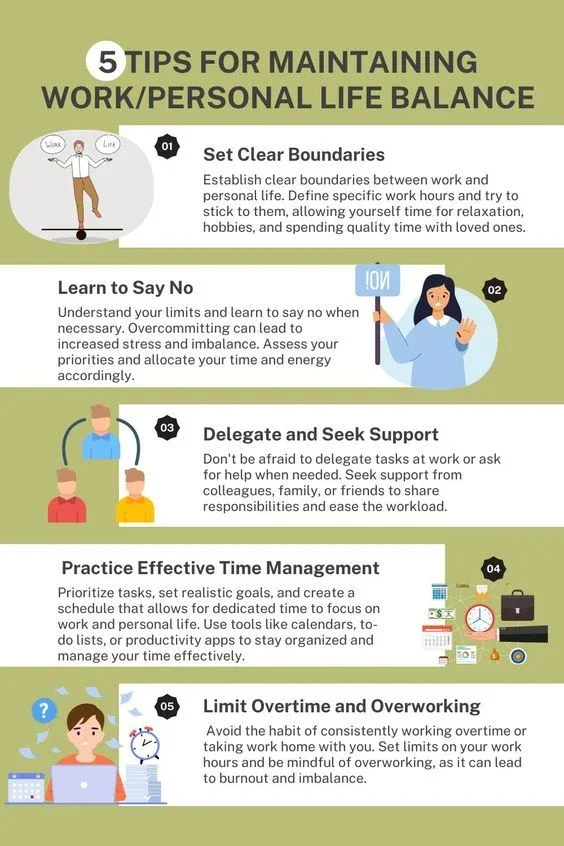
This pressure can lead people to sacrifice precious moments together, or conversely, lose focus on career responsibilities. Understanding that these pressures come from genuine desires—to succeed professionally and foster meaningful relationships—can be the first step towards managing them effectively.
Common Signs of Burnout in Work and Relationships
Burnout isn’t just about feeling tired from work. It can seep into your relationship, leading to emotional fatigue, irritability, or withdrawal. You might notice you aren’t as engaged in conversations with your partner, or you find yourself snapping over small issues. Similarly, work performance can suffer as stress builds.
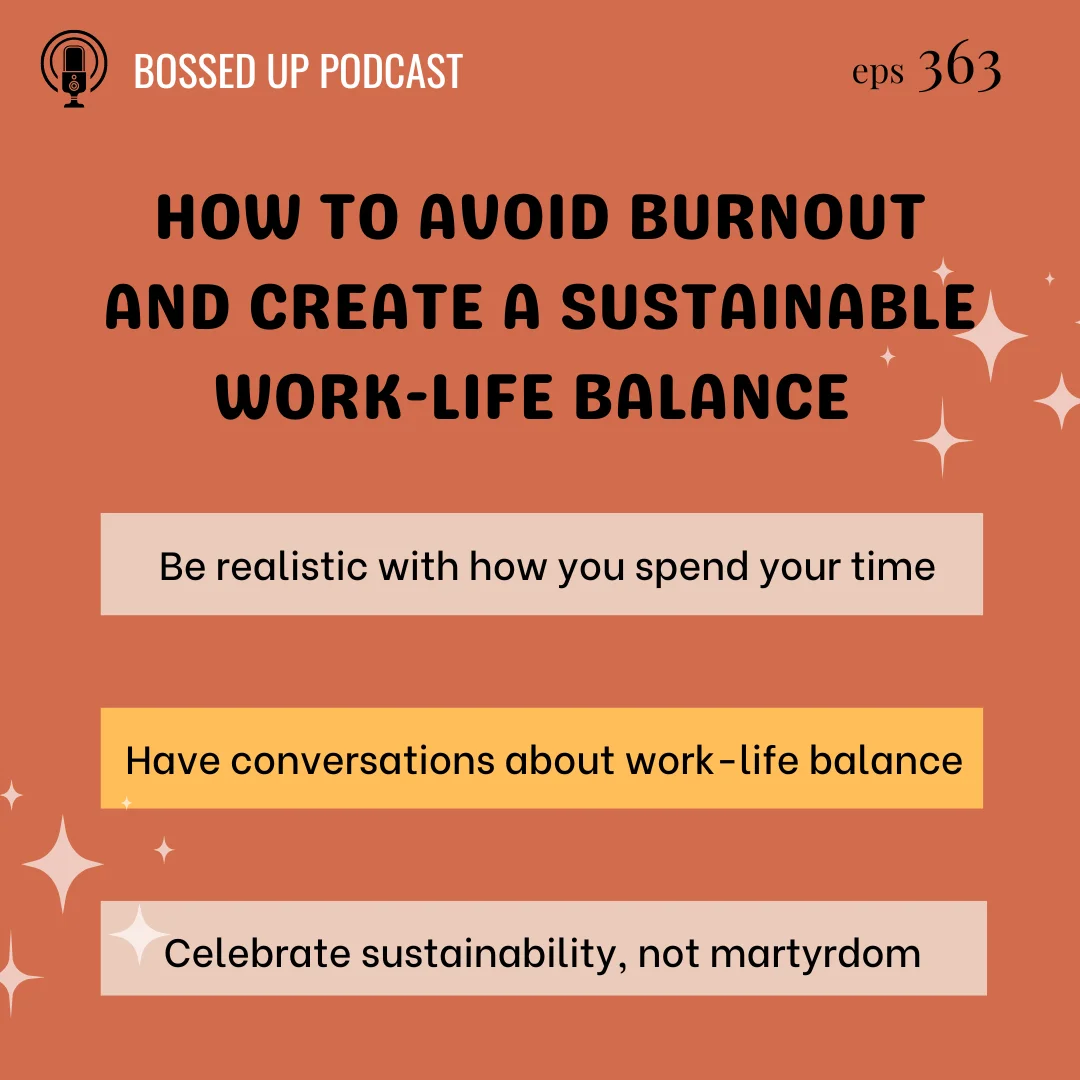
Ignoring these signs often leads to a downward spiral where neither area thrives. Recognizing symptoms such as chronic exhaustion, a sense of overwhelm, or decreased satisfaction in your relationship is crucial. When you acknowledge these feelings early, you open the door to making changes that restore balance and wellbeing.
Time Management Techniques to Harmonize Work and Dating
Prioritizing Tasks and Appointments
Effective time management starts with knowing what truly needs your attention each day. Prioritize your work tasks and social commitments based on urgency and importance. This helps prevent last-minute stress and ensures that neither your deadlines nor your date nights get neglected.
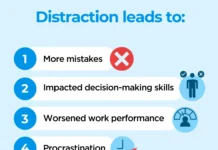
Being intentional about which activities deserve your focus means you avoid the trap of distractions that dilute your energy. It also allows you to be fully present in both work meetings and personal moments, making each more fulfilling.
Using Calendars and Reminders Effectively
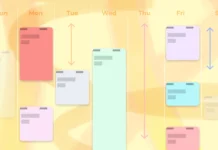
Digital calendars are not just for meetings—they’re invaluable tools for creating space in your busy life for dating. Schedule your date nights and even casual check-ins with your partner just as you would a work appointment. Setting reminders helps keep commitments top of mind, reducing the likelihood that something important slips through the cracks.
This habit also signals to your partner that you’re serious about making time, building trust and anticipation rather than frustration or disappointment. Over time, shared calendars can enhance communication, making both your work and love life easier to navigate.
Setting Boundaries for a Healthier Life Balance
Communicating Your Limits at Work
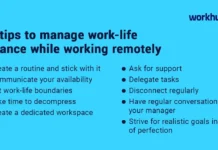
Clear communication at work about your availability helps to prevent burnout and protects your personal time. Let colleagues and supervisors know when you are reachable and when you are off the clock. This respect for boundaries can reduce after-hours emails and calls, giving you time to focus on your relationship.
Setting limits at work doesn’t mean you’re less committed—it demonstrates professionalism and self-awareness. Over time, you’ll find that this boundary setting creates a healthier rhythm, allowing you to recharge and return to work with renewed energy.
Establishing Clear Expectations in New Relationships
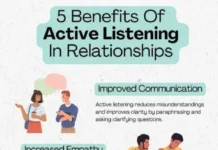
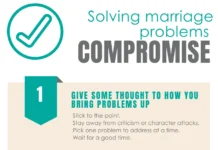
Early conversations with a partner about what balance looks like for both of you can prevent misunderstandings. Sharing your work goals as well as your hopes for the relationship fosters empathy and cooperation. When both partners understand each other’s commitments and constraints, it’s easier to plan quality time together without resentment.
Discussing schedules, preferred ways to communicate, and handling busy periods ahead of time can turn challenges into opportunities to support one another. This clarity leads to a deeper connection and less stress on both sides.
Self-Care Practices to Prevent Exhaustion
Incorporating Mindfulness and Relaxation
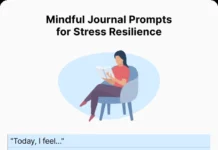
Taking moments during the day to breathe, meditate, or engage in mindfulness practices can dramatically reduce stress. These small pauses help you stay grounded, making it easier to switch from work mode to relationship mode. Relaxation techniques also improve your emotional resilience, which benefits both professional interactions and personal connections.
Integrating these practices doesn’t require hours of your day. Even a few minutes of focused breathing or a brief walk outside can reset your mood and energy, allowing you to be more present with your partner.
Importance of Sleep and Nutrition
It’s easy to neglect basic needs like sleep and nutrition when you’re trying to balance a busy life. However, these are the foundation of your physical and emotional well-being. Adequate rest and a balanced diet enhance your ability to manage stress and maintain energy levels throughout the day.
When you prioritize sleep and healthy meals, you’re better equipped to enjoy time with your partner and fulfill work obligations without feeling drained. It’s an investment in yourself that pays dividends in all areas of life.
Leveraging Technology to Manage Both Worlds
Dating Apps That Respect Your Schedule
Not all dating apps are created equally. Some cater specifically to busy professionals by offering features that help you manage your dating life without overwhelming your schedule. These apps allow you to set availability, prioritize matches, and plan dates with minimal friction.
Using technology thoughtfully means you can still meet new people and nurture romantic connections without adding stress. The goal is to use tools that support your balance rather than complicate it.
Productivity Tools for Busy Professionals
Beyond dating, productivity apps can streamline your workday. Tools for task management, calendar integration, and communication can save precious time. When work runs efficiently, you create more space to enjoy your personal life.
Automating reminders and organizing your day reduces mental clutter. This efficiency translates into a better balance where you aren’t overwhelmed by unchecked to-dos or forgotten plans.
Adapting Social Life and Work Routines for Flexibility
Creative Date Ideas That Fit Your Busy Schedule
When time is limited, creativity becomes your ally. Instead of lengthy dinners or elaborate outings, consider activities that fit small windows of availability. A walk in the park, coffee between meetings, or cooking a quick meal together at home can be both meaningful and manageable.
These moments, though brief, build intimacy and show your commitment. They prove that quality often outweighs quantity, and that you value connection even amid a hectic routine.
Negotiating Flexible Work Hours or Remote Options
Many workplaces today offer flexible hours or remote work opportunities. Exploring these options can be a game-changer for balancing work and dating. If you can shift your schedule or occasionally work from home, you gain more control over your time and reduce commuting-related exhaustion.
Flexibility also allows for impromptu quality time with your partner, which strengthens your bond. Being adaptable at work opens doors to a more balanced and fulfilling personal life.
Conclusion: Creating a Sustainable Balance Without Sacrificing Joy
Balancing work and dating is a continuous process rather than a perfect achievement. It requires honest communication, thoughtful time management, and self-care. Setting boundaries and leveraging technology support this balance, while flexibility and creativity keep relationships vibrant despite busy schedules.
By approaching this challenge with intention and adaptability, you can create a sustainable equilibrium. This allows you to thrive professionally while nurturing joyful, meaningful connections without the risk of burnout. Remember, it’s about quality, presence, and shared understanding—not perfection.