






















Understanding the Communication Gap in Working Families
Common Challenges Faced by Working Parents
Working parents often juggle demanding schedules, leaving limited opportunities for meaningful interactions with their children. Time constraints and work-related stress can reduce the focus and energy available for family communication. Additionally, parents may struggle to balance the needs of their career with the emotional and developmental needs of their children, leading to feelings of guilt and frustration.
Impact of Communication Barriers on Children
When communication gaps persist, children may feel neglected or misunderstood. This can affect their emotional well-being and hinder their ability to share thoughts and concerns openly. Communication barriers may result in weakened trust and increased instances of behavioral issues, as children seek other outlets to express their feelings or needs.
Effective Strategies to Enhance Parent-Child Interaction
Scheduling Quality Time Amid Busy Workdays
Carving out dedicated time every day for focused interaction fosters stronger relationships. Even brief moments of undistracted attention, such as shared meals or bedtime talks, can make a significant difference. Prioritizing family time over less essential activities helps create a stable and comforting environment for children.
Using Technology to Stay Connected
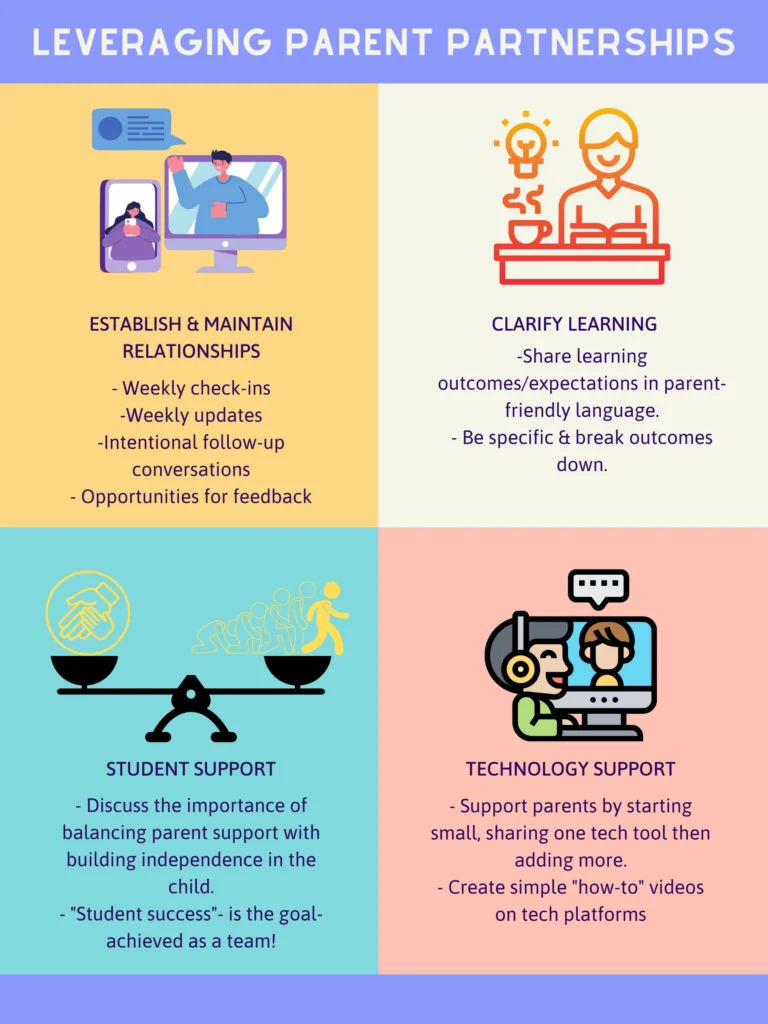
Incorporating digital tools allows parents to maintain contact despite busy schedules. Quick messages, video calls, or shared calendars can keep both parties informed and engaged. Technology also provides avenues for spontaneous check-ins that reinforce parental involvement throughout the day.
Creating Rituals and Traditions for Consistency
Establishing regular family rituals, like weekly game nights or weekend outings, strengthens bonds and builds anticipation. These traditions offer a sense of security and predictability, which is especially valuable for children navigating the complexities of their parents’ work commitments.
Encouraging Open and Honest Dialogue
Active Listening Techniques for Parents
Effective communication begins with truly hearing what children say. Parents should be willing to listen attentively, allowing pauses and avoiding interruptions. Nonverbal cues, such as nodding and eye contact, demonstrate engagement. Responding thoughtfully after the child has completed their thoughts fosters a more open exchange.
Helping Children Express Their Feelings
Children benefit from encouragement to articulate emotions in their own words. Parents can model this by acknowledging feelings and asking open-ended questions. Creating a safe, nonjudgmental environment allows children to explore complex emotions and builds their confidence in expressing themselves.
Role of Schools and External Support Systems
Collaborating with Educators on Communication
Schools play a crucial role in bridging gaps between working parents and children. Educators who maintain open dialogues with families can provide valuable insights and reinforce positive communication practices. Sharing both qualitative and quantitative information helps parents stay informed and involved.
Community Resources for Family Engagement
Community programs and support groups offer additional opportunities for families to connect and share experiences. Accessing these resources can alleviate isolation and provide tools for improving communication. Families benefit from multiple methods of contact, including in-person meetings, emails, and online platforms.
Long-Term Benefits of Strong Communication
Building Trust and Emotional Security
Consistent and meaningful communication nurtures trust between parents and children. This foundation of trust contributes to a sense of emotional security, helping children navigate challenges with confidence. When children feel understood, they are more likely to approach their parents with problems and seek guidance.
Fostering Independence and Confidence in Children
Open dialogue encourages children to develop autonomy and self-assurance. By respecting their opinions and recognizing their strengths, parents empower children to make decisions and solve problems. This positive reinforcement supports healthy growth and prepares children for future responsibilities.