






















Introduction to Peppermint Leaves and Digestive Health
Historical Use of Peppermint in Herbal Medicine
Peppermint leaves have been cherished for centuries as a natural remedy, deeply rooted in various traditional medicine practices around the world. Ancient Egyptians used peppermint to soothe stomach aches, while traditional European herbalists brewed it to ease indigestion and nausea. For instance, in the Victorian era, peppermint tea was a household staple used to calm upset stomachs after rich meals. This enduring history underlines peppermint’s trusted role in digestive health, passed down through generations as a simple yet effective herbal tonic.
Scientific Basis for Peppermint’s Digestive Benefits
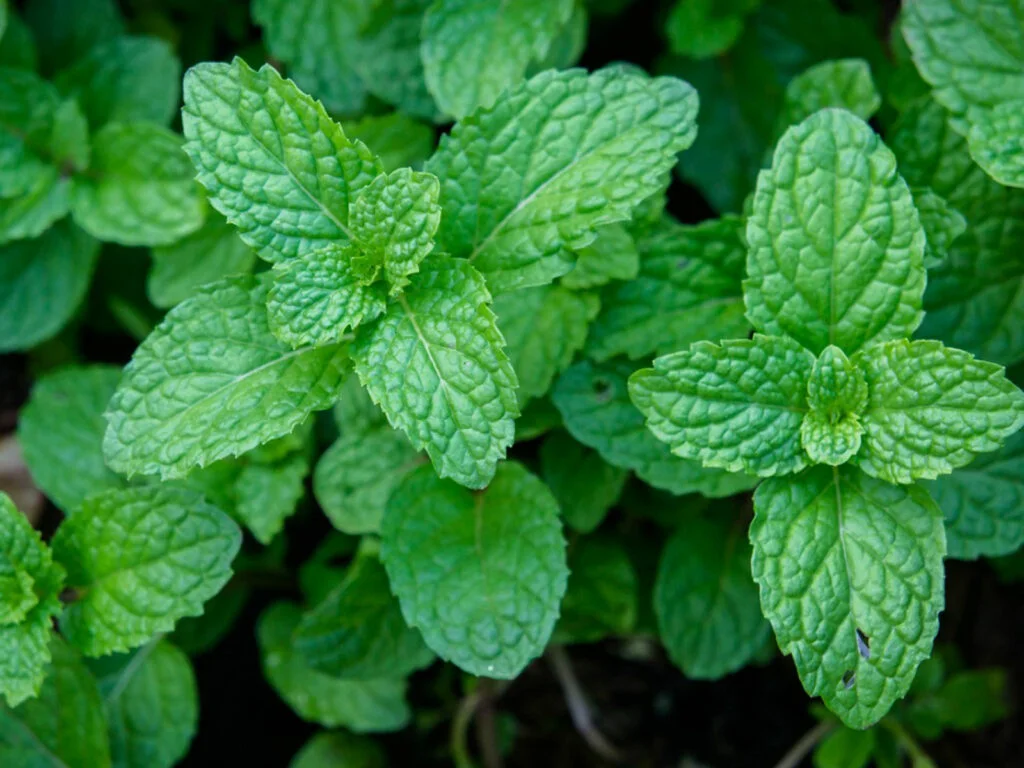
The calming effects of peppermint on the digestive system have been supported by modern research, revealing the herb’s ability to relax the muscles of the gastrointestinal tract. Menthol, the primary active compound in peppermint leaves, helps reduce spasms and bloating by soothing the smooth muscle cells in the intestines. A notable example is a clinical trial where peppermint oil capsules were shown to significantly reduce symptoms of irritable bowel syndrome (IBS), including abdominal pain and discomfort. This scientific backing complements the traditional use of peppermint, offering a natural way to address digestive issues.
Identifying Digestive Discomfort and Suitable Herbal Remedies
Common Symptoms Alleviated by Peppermint
Peppermint leaves are particularly effective against a range of digestive complaints. Imagine a day when, after eating a heavy lunch, you experience cramping, gas, or a feeling of fullness. Peppermint tea can provide gentle relief by calming the digestive tract and reducing muscle tension. People suffering from indigestion, mild nausea, or even the occasional heartburn often turn to peppermint as a soothing remedy. Its cooling sensation can also help ease nausea related to travel or medication side effects, making it a versatile option in the herbal toolkit.
When to Use Peppermint Leaves vs. Other Herbs
While peppermint is beneficial for many digestive issues, it’s important to choose the right herb for specific symptoms. For example, ginger is often preferred for nausea related to motion sickness, whereas chamomile may be better for reducing inflammation in the digestive lining. If you experience sharp or persistent abdominal pain, peppermint alone might not be enough, and consulting a healthcare professional is advised. A practical approach is to use peppermint for muscle relaxation and mild digestive discomfort, reserving other herbs for inflammatory or more severe symptoms.
Simple Herbal Techniques with Peppermint Leaves
Brewing Peppermint Tea: Step-by-Step Guide
One of the most accessible methods to use peppermint leaves is brewing a fresh cup of peppermint tea. Start by washing a handful of fresh peppermint leaves or using about one tablespoon of dried leaves. Place them in a teapot or cup and pour boiling water over the leaves. Let the tea steep for about 7 to 10 minutes to extract the full flavors and benefits. This method is perfect for easing digestion after meals or winding down in the evening. Sarah, a busy mother, finds that a cup of peppermint tea after dinner helps her unwind and reduces her occasional bloating.
Making Peppermint Infused Water for Daily Use
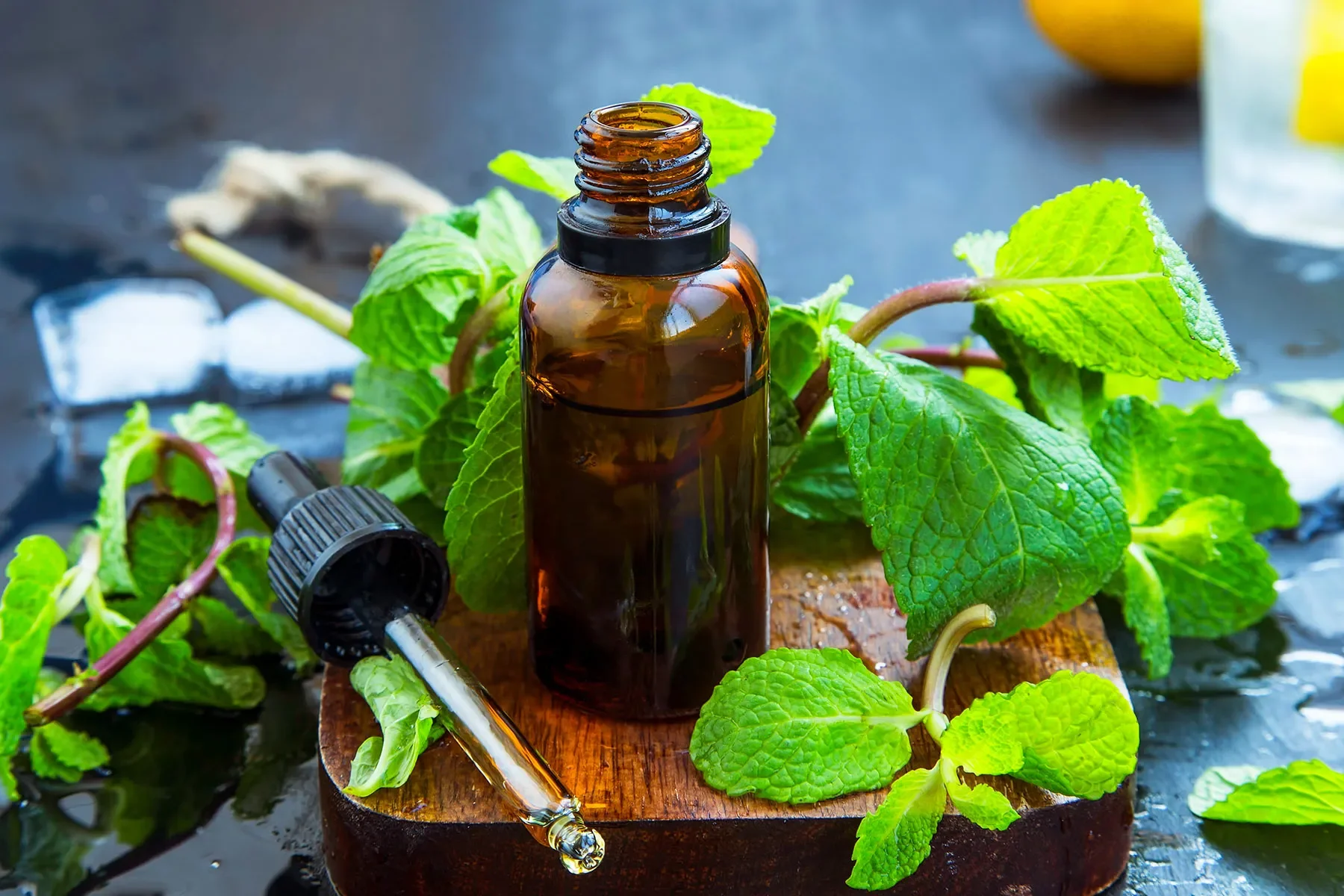
For those who want a more subtle approach, peppermint-infused water offers a refreshing way to stay hydrated while supporting digestion. Simply crush a few fresh leaves gently to release their aroma and add them to a pitcher of cold water. Let it sit in the refrigerator for a few hours to impart a delicate peppermint flavor. Drinking this throughout the day can aid digestion naturally and keep you feeling fresh. John, an office worker, keeps a bottle of peppermint-infused water at his desk to avoid afternoon digestive sluggishness without relying on caffeine.
Creating Peppermint Steam Inhalations for Digestive Relief
Although steam inhalations are primarily associated with respiratory relief, peppermint steam can indirectly benefit digestion by reducing stress and tension, which often exacerbate digestive discomfort. To try this at home, add a few crushed peppermint leaves to a bowl of hot water. Lean over the bowl with a towel draped over your head, inhaling the steam slowly for 5-10 minutes. This relaxing practice not only clears the sinuses but can also soothe stomach cramps triggered by anxiety. Emma, who experiences digestive upset during stressful periods, finds peppermint steam inhalation a calming ritual that helps her feel grounded.
Incorporating Peppermint Leaves into Your Diet
Fresh vs. Dried Peppermint: What Works Best?
Choosing between fresh and dried peppermint leaves depends largely on availability and intended use. Fresh peppermint has a vibrant, refreshing taste and higher moisture content, making it ideal for teas, infusions, and garnishes. Dried peppermint, meanwhile, offers a concentrated flavor and a longer shelf life, perfect for consistent use throughout the year. For daily herbal infusions, fresh leaves may be more beneficial due to their potent aroma and milder flavor. However, if you want a convenient, ready-to-use option, dried peppermint retains much of the medicinal qualities needed for digestive comfort.
Recipes Featuring Peppermint Leaves for Digestion
Integrating peppermint into meals can be both delicious and therapeutic. One popular example is a refreshing yogurt and cucumber dip flavored with finely chopped peppermint leaves, which promotes digestion after heavier meals. Another simple recipe is a minty fruit salad, where fresh peppermint enhances the natural sweetness of melons and berries while aiding digestion. For beverages, you can infuse peppermint into lemonade or sparkling water for a digestive-friendly twist. These culinary uses make peppermint a versatile herb that extends beyond teas and herbal remedies into everyday cooking.
Precautions and Potential Side Effects
Who Should Avoid Peppermint Remedies?
While peppermint is generally safe, certain individuals should exercise caution. People with gastroesophageal reflux disease (GERD) may find that peppermint relaxes the lower esophageal sphincter, potentially worsening heartburn symptoms. Pregnant and breastfeeding women are advised to consult healthcare providers before regular use, as peppermint’s effects in these conditions are not fully studied. Additionally, children under two years old should avoid peppermint products due to potential sensitivities. Lisa, who suffers from frequent acid reflux, learned through experience that peppermint tea aggravated her symptoms and now uses alternative herbs recommended by her doctor.
Interactions with Medications and Other Conditions
Peppermint can interact with certain medications, such as antacids, blood pressure drugs, and cyclosporine, potentially altering their effectiveness. It may also affect liver enzymes responsible for drug metabolism. People on these treatments must discuss peppermint use with their healthcare provider. In rare cases, allergic reactions like skin irritation or headaches can occur with topical or excessive oral use. These precautions highlight the importance of mindful consumption, even with natural remedies like peppermint, especially when other health conditions or medications are involved.
Conclusion: Making Peppermint Leaves a Natural Part of Digestive Care
Incorporating peppermint leaves into your routine offers an accessible and effective way to manage mild digestive discomfort through gentle herbal techniques. Whether it’s a calming cup of peppermint tea after a large meal, a refreshing infused water on a hot day, or a soothing steam inhalation during stressful moments, peppermint provides a practical, natural solution rooted in tradition and supported by science. Being aware of its proper use and understanding potential precautions ensures you can enjoy the benefits safely. By making peppermint leaves a thoughtful part of your digestive care, you embrace a time-honored herbal ally for better gut health.