




















Understanding the Importance of Flexibility for Older Adults
How Aging Affects Muscular and Joint Flexibility
As we age, a natural decline in muscle mass and joint flexibility becomes evident. This loss can stem from reduced physical activity and the gradual wear and tear experienced by joints over time. Additionally, chronic conditions such as arthritis, osteoporosis, and previous joint replacements often limit the range of motion and add stiffness, making stretching or bending more challenging. These physical changes not only reduce flexibility but also compromise balance and coordination, increasing the risk of falls and injuries. Over time, decreased confidence in movement may lead to even less activity, creating a cycle of weakness and further rigidity.
Benefits of Improved Flexibility in Daily Life
Enhancing flexibility through gentle and consistent movement can dramatically improve an older adult’s quality of life. Increased joint mobility aids in performing everyday tasks like dressing, reaching, or gardening with less discomfort. It can also lessen chronic pain stemming from stiffness and support better posture, reducing strain on muscles and bones. Moreover, improved flexibility contributes to better balance, decreasing the likelihood of falls. Beyond the physical advantages, flexibility exercises often promote mental well-being by reducing stress and fostering a greater sense of bodily awareness and confidence.
Core Principles of Safe Yoga Practice for Seniors
Listening to Your Body: Recognizing Limits
One of the most critical principles in practicing yoga safely for seniors is tuning in to the body’s signals. Ignoring pain or discomfort can lead to injury or exacerbate existing conditions. Many older adults face physical limitations or medical issues that make certain poses difficult or unsafe. Recognizing these limits means understanding when to stop, modify, or skip a pose altogether. Avoiding the common mistake of pushing through pain supports steady progress and enhances enjoyment of the practice. A “no pain” rule should guide all movements, ensuring that each session nurtures rather than harms the body.
Using Props and Supports for Stability
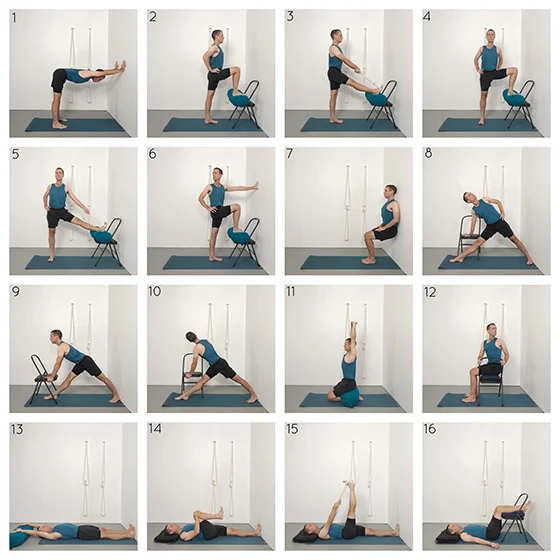
Props such as chairs, blocks, straps, and blankets are invaluable tools to make yoga accessible and safe for older adults. These aids help reduce strain on joints, improve balance, and provide support for stability during poses. For instance, using a chair can prevent falls when balance is compromised, while blocks can bring the floor closer to support limited flexibility. Incorporating such supports allows practitioners to experience the benefits of poses without overexerting themselves or risking injury. It’s important to avoid neglecting these helpful tools, as they bridge the gap between limitations and safe practice.
Effective Yoga Modifications to Enhance Flexibility
Chair Yoga: Making Poses Accessible
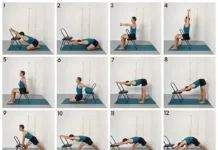
Chair yoga offers a practical modification for seniors who face challenges standing or balancing. By adapting traditional poses to be performed while seated or using a chair for support, older adults can safely engage muscles and stretch joints without the fear of falling. This approach is especially beneficial for those with arthritis, osteoporosis, or limited stamina. Chair yoga encourages slow, controlled movements and mindful breathing, helping practitioners build flexibility progressively. Starting with beginner-friendly sessions ensures that poses are approachable and adjusted to individual ability levels.
Gentle Stretching Variations for Tight Muscles
Tight muscles are a common obstacle in building flexibility as we age, often exacerbated by inactivity or chronic pain. Gentle stretching variations that focus on lengthening muscles gradually can alleviate stiffness without causing discomfort. Instead of deep or intense stretches, slower and more mindful movements allow the body to adapt safely. Modifications such as bending the knees during forward folds or limiting the range of twists help accommodate physical limitations. These careful adjustments reduce the risk of injury and make consistent practice more sustainable.
Breath Awareness to Facilitate Movement
Breathing plays a vital role in improving flexibility and supporting safe movement in yoga. Many older adults tend to hold their breath during poses, which can increase tension and reduce circulation. Conscious breath awareness—breathing slowly and deeply—helps relax muscles and enhances oxygen flow to tissues, making stretching easier and more effective. Coordinating breath with movement also encourages a mindful approach, grounding practitioners in their practice and reducing stress. Over time, this promotes better posture, fluidity, and greater ease in performing modified poses.
Step-by-Step Guide to Modified Yoga Poses
Modified Downward Dog for Shoulder and Hamstring Flexibility
The traditional Downward Dog pose can be challenging for older adults due to wrist pressure and hamstring tightness. A gentle modification involves performing the pose with hands elevated on a sturdy surface like a table or countertop. This adjustment reduces wrist strain while still engaging the shoulders and lengthening the hamstrings. Keeping knees slightly bent can further ease tension, allowing practitioners to focus on slow, controlled movements. Maintaining steady breathing throughout helps deepen the stretch safely.
Seated Forward Fold with Strap Assistance
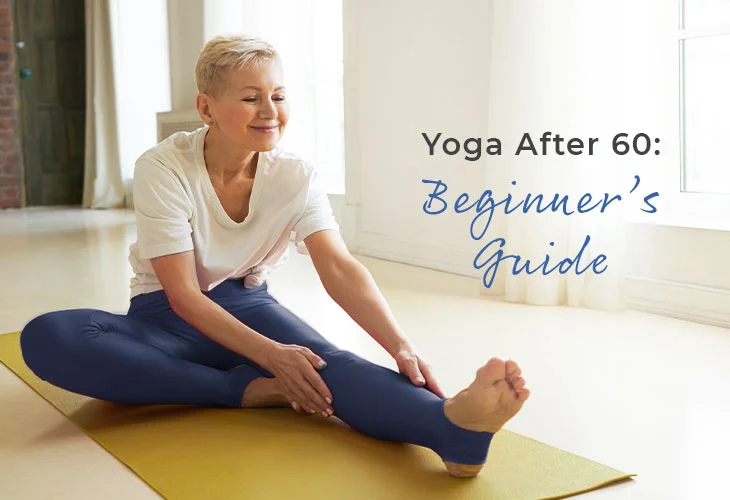
A forward fold is excellent for stretching the back and hamstrings, but it can be difficult to reach the feet comfortably. Using a yoga strap around the feet provides extended reach and support, enabling a gentle stretch without rounding the spine excessively. Sitting on a folded blanket raises the hips, encouraging better posture during the fold. This modification respects individual flexibility limits while allowing older adults to experience the benefits of the pose. Holding the position for several breaths promotes relaxation and gradual lengthening.
Supported Twist to Increase Spinal Mobility
Seated twists enhance spinal flexibility and digestion but may be tricky for those with limited mobility or chronic pain. A supported twist using a chair back or wall nearby can stabilize the body and prevent overstretching. Instead of deep rotations, gentle, incremental twists performed with an upright spine promote spinal health without discomfort. Encouraging breath awareness during the pose helps deepen the gentle stretch, reduces muscle tension, and keeps the practice mindful and safe.
Creating a Customized Flexibility Routine
Frequency and Duration Recommendations
Consistency is key in building flexibility, especially for older adults. Practicing modified yoga for about 15 minutes, three times a week, strikes a balance between promoting progress and allowing the body time to rest and recover. Longer sessions can be introduced gradually based on individual stamina and comfort. Starting slow and progressing over time helps avoid common mistakes like rushing into advanced poses or practicing irregularly. Establishing a routine that fits personal schedules and physical readiness encourages sustained improvement and adherence.
Integrating Yoga with Other Low-Impact Activities
Yoga alone can be a powerful tool for flexibility, but combining it with other low-impact activities like walking, water aerobics, or gentle tai chi enhances overall mobility and strength. These activities complement yoga by improving cardiovascular health, balance, and muscle tone without adding undue stress on joints. Interspersing yoga sessions with these forms of exercise supports a well-rounded approach to physical health. It also combats feelings of overwhelm that older adults might experience by offering variety and maintaining engagement.
Monitoring Progress and Staying Motivated
Tracking Flexibility Improvements Over Time
Monitoring progress not only validates effort but also boosts motivation. Older adults can keep a simple journal noting changes in flexibility, ease of movement, or the ability to hold poses longer. Photographs or videos can provide visual evidence of improvements and help identify modifications that work best. Regularly assessing physical condition and consulting healthcare providers ensure that the practice remains safe and aligned with health needs. Recognizing even small gains helps maintain enthusiasm and encourages continued participation.
Community Resources and Group Classes for Older Adults
Joining group classes or community programs tailored for seniors creates a supportive environment that encourages regular practice and social connection. Many centers offer beginner or senior-specific yoga sessions led by instructors knowledgeable about modifications and safety. Online classes are also widely available, allowing practice from home with guidance adapted to individual ability. Engaging with peers facing similar challenges provides motivation, shared learning, and accountability. Accessing these resources reduces isolation and builds confidence, making flexibility training more enjoyable and effective.