























Understanding the Importance of Clear Emotional Expression in Stressful Moments
Why Emotions Often Get Miscommunicated Under Stress
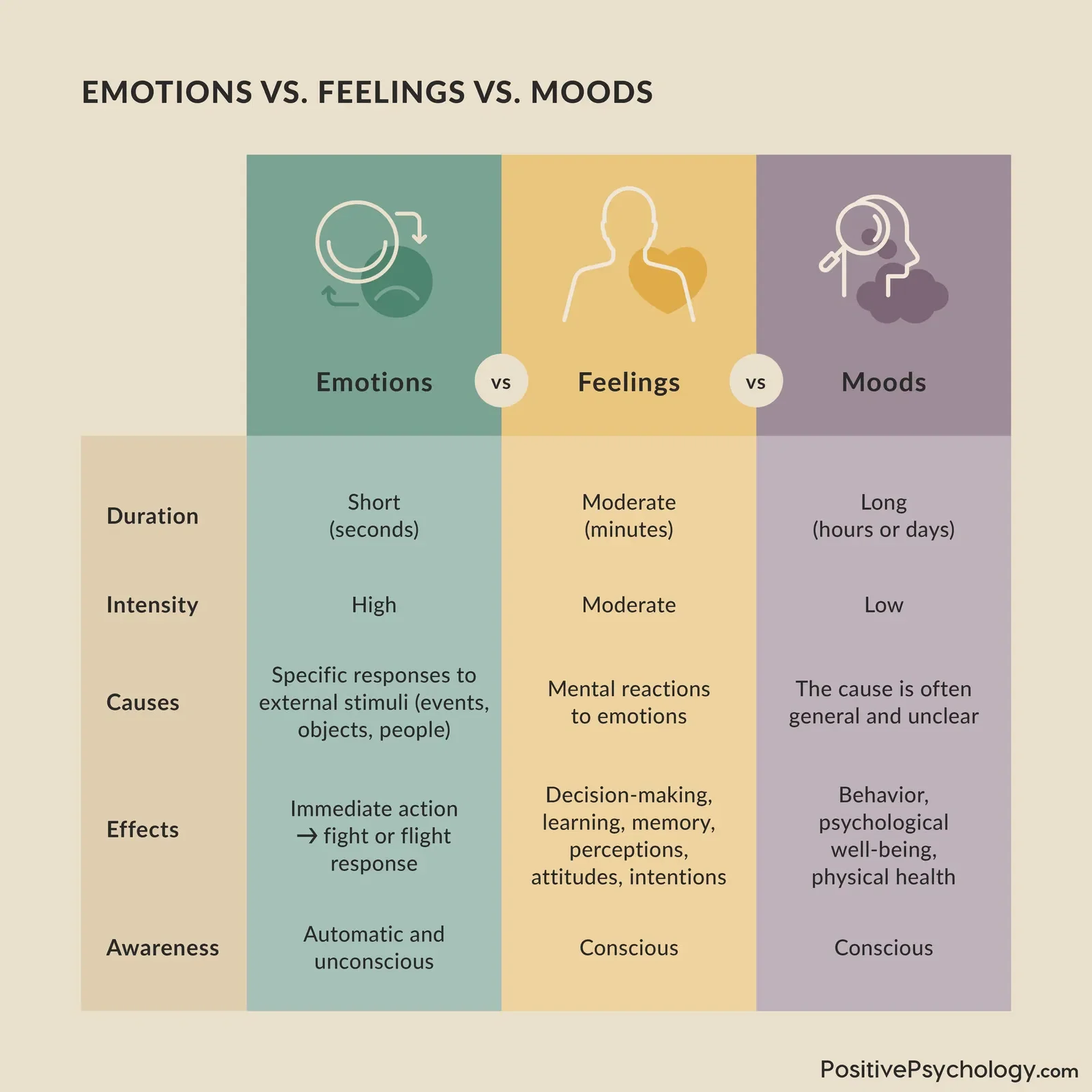
When we’re stressed, emotions tend to overwhelm our usual way of communicating. It’s not uncommon to misinterpret feelings, whether they are our own or those of others. Emotions are wired for quick reactions, driving us to act rather than pause and explain. This automatic response often leaves little room for mindful expression, making it harder to convey what we truly feel. Cultural and social conditioning sometimes teaches us to suppress or avoid these emotions altogether, further complicating how we express ourselves in difficult moments.
Consequences of Poor Emotional Clarity
Failing to express emotions clearly can lead to misunderstandings, conflicts, and emotional distance in relationships. When emotions go unrecognized or are poorly conveyed, it becomes challenging for others to empathize or respond appropriately. This can build frustration on both sides and may escalate tensions unnecessarily. Over time, unclear emotional communication can erode trust and leave people feeling disconnected, sometimes even numb or overwhelmed by their inner experiences.
Preparing Yourself Emotionally Before a Stressful Conversation
Recognizing and Naming Your Emotions
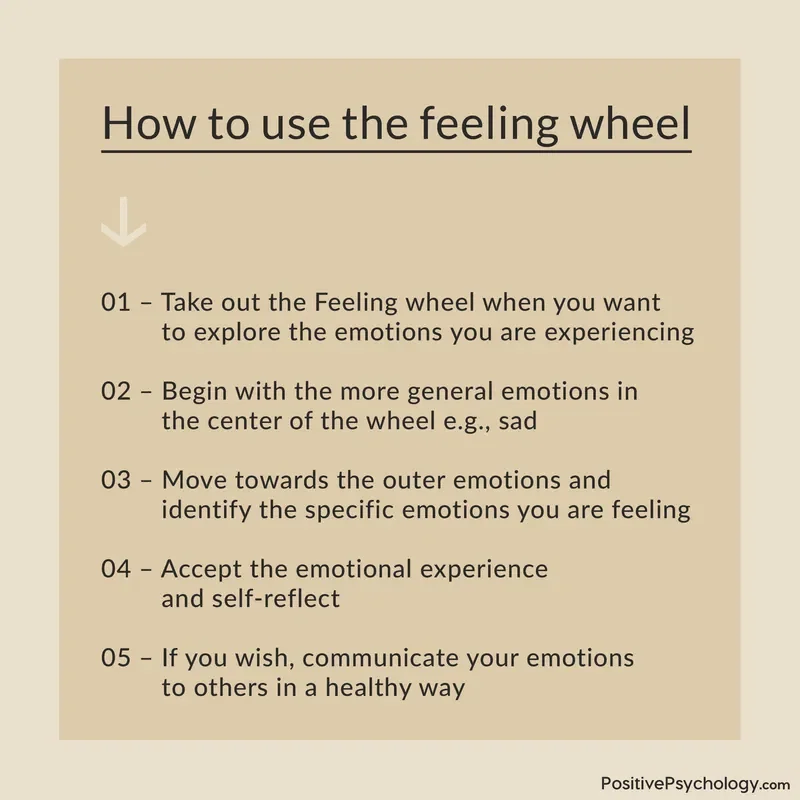
Before diving into a tough conversation, take a moment to check in with yourself. What exactly are you feeling? Is it anger, sadness, fear, or perhaps a mix? Naming your emotions is more than just identifying them—it’s about gaining clarity on your inner experience. This awareness helps you avoid reacting impulsively and instead respond with intention. Recognizing your feelings also allows you to communicate with honesty and openness, setting a foundation for a more constructive dialogue.
Techniques to Calm Your Mind and Body
Stress can make emotions feel overwhelming, so finding ways to calm your mind and body before expressing yourself is crucial. Techniques like deep breathing, grounding through sensory experiences, or even taking a brief walk can help regulate your nervous system. This preparation doesn’t mean suppressing what you feel but creating space to engage with your emotions thoughtfully. When your body feels calmer, your communication naturally becomes clearer and more composed.
Step 1: Identifying Your True Feelings
Reflection Methods to Pinpoint Specific Emotions
Sometimes emotions arrive as a tangled knot that’s hard to unravel. Reflective practices, such as pausing to ask yourself questions like “What is this feeling really about?” or “When did this feeling start?” can shed light on the true nature of your emotions. Paying attention to subtle emotional cues rather than just the obvious ones helps you navigate complex feelings that might otherwise get buried or misinterpreted.
Journaling as a Tool for Emotional Clarity
Putting your emotions on paper is a powerful way to understand them better. Journaling allows you to slow down and explore your feelings without judgment or distraction. Writing about your experiences often reveals patterns and insights that may not surface in the heat of the moment. This kind of emotional clarity is invaluable when preparing to share your feelings with others, helping you express yourself with greater confidence and authenticity.
Step 2: Choosing the Right Moment and Environment
The Role of Setting in Emotional Communication
Where you have a conversation can significantly influence how emotions are received and understood. Choosing a calm, private, and comfortable environment reduces external distractions and makes it easier for both parties to focus on the emotional exchange. Settings that feel safe can encourage openness and reduce defensiveness, allowing feelings to be expressed more clearly and heard more compassionately.
Timing Your Expression for Maximum Impact
Timing is equally important. Trying to communicate when either you or the other person is distracted, tired, or overwhelmed often leads to miscommunication. Waiting for a moment when both parties can be fully present ensures that emotions are given the attention they deserve. Sometimes, taking a short pause before addressing sensitive topics can prevent misunderstandings and allow for a more thoughtful, productive conversation.
Step 3: Using Clear and Assertive Language
Words and Phrases to Avoid Confusion
Choosing your words carefully is essential to avoid confusion or unintended offense. Avoid generalizations like “you always” or “you never,” which can come across as blaming and escalate tension. Instead, focus on “I” statements that center your experience, such as “I feel” or “I notice.” This approach keeps the conversation personal and less confrontational, helping others better understand your emotional perspective without feeling attacked.
How to Stay Calm and Respectful While Speaking
Even when emotions run high, maintaining a calm and respectful tone fosters a more productive exchange. Speaking slowly and mindfully helps you stay grounded and reduces the chance of saying things you might regret. Respectful communication involves listening as much as speaking, acknowledging the other person’s feelings, and steering clear of sarcasm or harsh criticism. This balance supports mutual understanding and collaboration rather than conflict.
Step 4: Using Nonverbal Cues Effectively
Body Language That Reinforces Your Message
Nonverbal signals often speak louder than words. Maintaining open body language, such as relaxed posture and steady eye contact, demonstrates confidence and sincerity. Gestures that are calm and purposeful can underline the emotions you’re expressing, making your message more impactful. On the other hand, closed-off or defensive body language may unintentionally send mixed signals, so being mindful of how you physically present yourself is key.
Reading and Responding to Others’ Nonverbal Feedback
Communication is a two-way street. Paying attention to how others respond nonverbally can provide valuable clues about their emotional state. Are they tense, avoiding eye contact, or mirroring your posture? Responding to these cues with empathy can help you adjust your approach, ensuring that the conversation remains respectful and connected. This kind of emotional attunement can prevent misunderstandings and build trust even during difficult discussions.
Step 5: Practicing Active Listening and Emotional Validation
Techniques for Staying Present During Difficult Conversations
Being fully present means more than just hearing words—it requires truly listening to the emotions behind them. Techniques like nodding, summarizing what you’ve heard, and asking clarifying questions show that you’re engaged and care about the other person’s experience. This presence helps both parties feel seen and heard, reducing defensiveness and opening the door to honest communication.
Validating Emotions Without Escalating Tension
Validation doesn’t mean agreeing with everything someone says; it means acknowledging their emotions as real and understandable. Simple statements like “I can see why you’d feel that way” or “That sounds really tough” create a safe space for emotional expression. When emotions are validated, they tend to soften rather than escalate, making it easier to work through challenges together without conflict spiraling out of control.
Common Mistakes to Avoid When Expressing Emotions Under Stress
Overgeneralizations and Blaming
One common pitfall is using language that exaggerates or assigns blame, such as saying “You never listen” instead of focusing on your experience. This can put others on the defensive and block open communication. Instead, aim for specific, personal statements that describe how you feel and what you need.
Suppressing Feelings Versus Exploding
Another frequent mistake is oscillating between pushing feelings away and letting them burst out uncontrollably. Suppression leads to emotional numbness or disconnection, while explosive reactions often cause regret and harm relationships. Finding a balanced way to acknowledge and express emotions mindfully is crucial for maintaining healthy communication and emotional well-being.
Tools and Exercises to Strengthen Emotional Communication Skills
Role-Playing Stressful Scenarios
Practicing how you might respond in challenging situations through role-playing can build confidence and emotional clarity. This exercise allows you to experiment with different expressions and responses in a safe environment, giving you a chance to refine your communication skills before real conversations occur.
Mindfulness Practices for Emotional Awareness
Integrating mindfulness into daily life helps you become more attuned to your emotional landscape. By observing feelings without judgment and understanding their signals, you develop emotional intelligence that enhances how you manage stress and communicate with others. These practices create a foundation for expressing emotions clearly, even when situations feel challenging.