























Understanding the Root Causes of Reluctance in Children
Psychological Barriers to Open Communication
Imagine a teenage boy named Alex who comes home from school each day and barely utters a word to his parents. His reluctance isn’t due to lack of love or trust, but rather because he’s navigating an internal maze of emotions. Adolescents like Alex often experience feelings of anxiety, depression, or confusion about their identity that make opening up daunting. Sometimes past trauma, such as bullying or a difficult event, acts as a wall between them and their family. Additionally, mental health challenges like bipolar disorder or schizophrenia can distort how children process emotions, making communication feel overwhelming or even frightening.

Moreover, the natural process of growing independence can create psychological distance. Teenagers might intentionally pull away, not realizing their parents interpret this as coldness. This phase, while normal, can feel like rejection to parents, further discouraging dialogue.
Environmental Factors Influencing Children’s Willingness to Share
Environmental influences play a significant role as well. Consider a household where the television blares during dinner, or where parents juggle work calls while their child attempts to speak. In such situations, children quickly learn their thoughts aren’t valued, leading to withdrawal. Distractions like radios, phones, or other background noise create an atmosphere where meaningful conversations are rare.
Also, if parents frequently respond with frustration, yelling, or name-calling, children learn to withhold information to avoid harsh reprimands. One mother shared how her son reverted to one-word answers after repeated lectures, which crushed his motivation to share details about his day. Additionally, inconsistent messages—like telling a child to share feelings but then dismissing those feelings when expressed—leave children confused about the safety of opening up.
Building a Safe and Supportive Communication Environment
Creating Routine Family Check-Ins
John and Maria made it a habit to spend ten minutes each evening without any distractions, just focused on their two children. These small, daily check-ins became a vital ritual where kids felt seen and heard. Regularly setting aside intentional time communicates to children that their experiences matter, no matter how busy life gets. Even a quick moment at breakfast or bedtime can establish a sense of routine that invites openness.
Consistency is key. When children know this time is non-negotiable and free from interruptions, their defenses gradually lower. This consistency fosters trust and makes difficult topics less intimidating to bring up.
Setting Boundaries and Respecting Privacy
At the same time, respecting boundaries is essential, especially with teenagers craving independence. For example, Sarah’s parents learned to balance their need to know her whereabouts with allowing her personal space. They agreed on checking in via text or a quick call instead of demanding her room always be open to inspection.
It’s important parents set clear but age-appropriate limits while reassuring their children’s right to privacy. This balance builds respect and helps children feel safe rather than controlled. Overstepping privacy can backfire, leading to secrecy and further withdrawal.
Techniques to Encourage Children to Open Up
Using Play and Creative Expression
Young children may struggle to articulate feelings directly but can communicate through play or art. Emma’s mother noticed that when her daughter started drawing scenes from her day, it opened doors for conversation. Playing board games or doing puzzles together can also create a relaxed environment where words flow more naturally.
Creative activities reduce pressure. When kids paint, write stories, or even build with blocks, they express emotions they may not fully understand yet. Parents can gently ask about the characters or scenes, gradually encouraging verbal expression without forcing it.
Effective Questioning Without Pressure
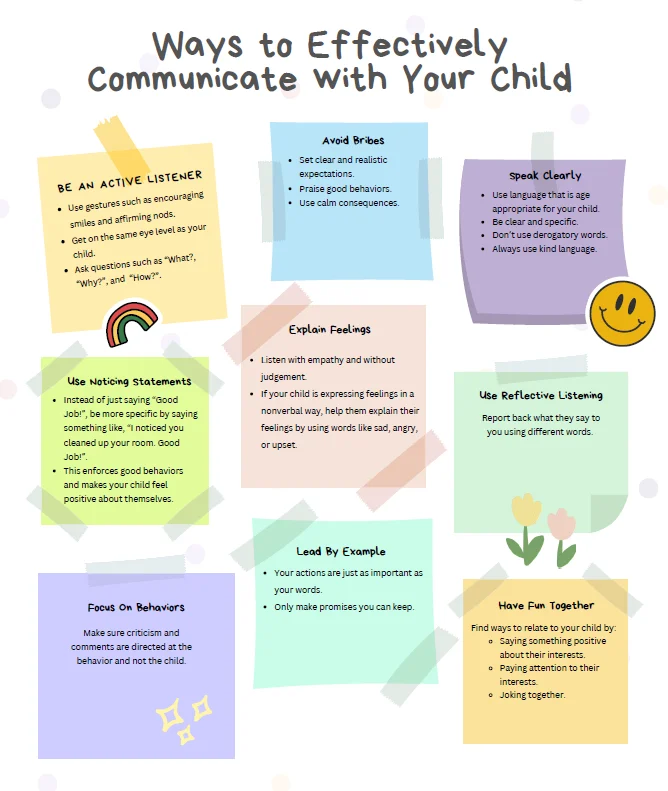
Rather than firing off rapid questions, which can feel like an interrogation, choose open-ended queries delivered calmly. For instance, instead of “What happened at school?” try “Tell me one interesting thing about your day.” This approach invites sharing without overwhelming your child.
Another effective method is repeating or summarizing what the child says to confirm understanding. When ten-year-old Liam told his dad he felt “bad,” his father asked gently, “What made you feel bad?” and then restated, “It sounds like you’re upset because you didn’t finish your project.” This validates feelings and encourages further communication.
Role of Parents in Modeling Communication
Demonstrating Active Listening Skills
Parents set the tone for family communication by how they listen. When Anna talks about her worries, her mother puts away her phone, looks Anna in the eyes, and nods attentively. This active listening shows respect and lets Anna know her words are valued.
Active listening involves more than hearing words; it requires empathy, patience, and the occasional affirmation. Repeating back feelings or summarizing thoughts helps prevent misunderstandings and demonstrates that parents strive to truly understand, even when conversations are tough.
Sharing Feelings and Experiences Transparently
One way to deepen communication is for parents to open up about their own experiences and emotions. Mark shared with his daughter his challenges with anxiety as a teenager, which helped her feel less isolated in her own struggles. Transparent sharing creates reciprocity—it shows children that being vulnerable is safe and normal.
Expressing feelings calmly and honestly also models healthy coping and emotional regulation. When parents admit they feel frustrated but focus on solutions, children learn constructive ways to handle their emotions.
When to Seek Professional Help
Recognizing Signs That Require Counseling
If reluctance to talk persists despite supportive efforts, it might signal deeper issues requiring professional support. Parents should watch for warning signs such as dramatic mood swings, withdrawal from all social interaction, talk of self-harm, or drastic changes in behavior. For example, when 15-year-old Julia stopped attending school and isolated herself, her parents sought help and discovered underlying depression.
Rather than waiting or assuming children will “grow out of it,” early intervention often prevents escalation. Consulting pediatricians or qualified clinicians can provide guidance on addressing mental health or trauma.
How Therapists Can Facilitate Family Dialogue
Family therapists create neutral, safe spaces where all members can express themselves without judgment. During sessions, parents learn to listen without lecturing, and teens find respectful ways to share hidden feelings. Therapists can teach communication skills tailored to the family’s unique dynamics, helping break cycles of misunderstanding.
For example, a therapist might suggest role-playing exercises or set structured discussion times to ease tension. This professional support often strengthens family bonds and equips everyone with tools to keep communication open in the future.