
























Introduction to Building Trust in New Friendships
The Importance of Trust for Lasting Bonds
Trust forms the foundation of any meaningful friendship. Without it, connections remain superficial, prone to misunderstandings, and vulnerable to dissolution. Cultivating trust allows friends to feel safe, valued, and understood. It encourages openness, nurtures reliability, and creates a space where both individuals can grow together. In new friendships, establishing trust early can significantly influence how lasting and resilient the relationship becomes.
Common Challenges When Starting New Friendships
Beginning a new friendship often involves navigating past experiences and personal vulnerabilities. Many face challenges such as hesitation in letting others in due to previous betrayals or relational trauma. Uncertainty about trusting oneself to make sound decisions may further complicate the process. Misunderstandings can arise when friendliness is mistaken for genuine connection or trustworthiness. Additionally, differences in life stages, values, or frequent communication gaps can slow down or disrupt the development of trust. Recognizing these challenges early helps in approaching new relationships with awareness and care.
Step 1: Establishing Open Communication
Active Listening Techniques
Open communication is crucial in building trust. It begins with active listening, which means fully concentrating on what the other person is saying without planning your response in advance. This attentiveness conveys respect and genuine interest. Techniques such as maintaining eye contact, nodding, and paraphrasing what has been shared can encourage deeper dialogue. When each person feels heard, trust naturally grows, as does the willingness to be honest and vulnerable.
Sharing Personal Stories Thoughtfully
Sharing aspects of your personal story can strengthen connections, but timing and sensitivity are essential. Thoughtfully revealing experiences fosters empathy and mutual understanding. However, it’s important to balance openness with discretion—too much too soon may overwhelm or create discomfort. Gradually sharing stories helps friends discover shared values and experiences without risking emotional overexposure.
Step 2: Demonstrating Consistency and Reliability
Keeping Promises and Commitments
Reliability builds trust through repeated positive experiences. When you make a promise, following through shows that others can depend on you. Even small commitments matter—being punctual, responding to messages, or remembering details shared earlier all signal consistent care. This builds a reputation of stability and integrity, essential for deepening new friendships.
Building Trust Over Time Through Actions
Trust does not spring up overnight; it develops incrementally as actions support words. Observing that actions align with intentions reduces uncertainty and strengthens confidence in the relationship. Whether it’s honoring plans or responding with kindness during difficult times, consistency over time helps validate the authenticity of the connection. This process requires patience but yields lasting emotional safety.
Step 3: Showing Empathy and Understanding
Recognizing and Respecting Boundaries
Healthy boundaries are vital to protect individual needs and foster mutual respect. Empathy involves tuning into others’ comfort zones and limitations without judgment. By clearly communicating your own boundaries and honoring those of friends, trust is reinforced. This transparency prevents resentment or misunderstandings from accumulating beneath the surface, making friendships more resilient.
Practicing Compassion in Difficult Moments
Empathy shines brightest during challenges. Showing compassion when a friend faces hardship or makes mistakes builds deeper emotional connection. Instead of reacting with frustration or blame, approaching situations with kindness and patience demonstrates trustworthiness. These moments reveal the strength of a friendship and deepen the bond beyond surface-level interactions.
Step 4: Being Vulnerable to Deepen Connections
When and How to Open Up
Vulnerability is a powerful trust-builder when shared appropriately. Opening up about fears, hopes, or struggles signals bravery and invites reciprocity. Choosing the right moments—ideally when a safe, nonjudgmental atmosphere exists—can make this sharing enriching rather than risky. Being authentic encourages friends to lower their guards and fosters genuine intimacy.
Encouraging Reciprocity in Sharing Vulnerabilities
Trust deepens most when vulnerability is mutual. While one person may initiate by opening up, encouraging friends to share their own experiences creates balance. This exchange nurtures understanding and affirms that both individuals value the friendship enough to reveal their true selves. It also safeguards against one-sided emotional labor, ensuring that trust grows in both directions.
Preventing Common Pitfalls in New Friendships
Addressing Misunderstandings Early
Misunderstandings can erode trust quickly if left unaddressed. Addressing them promptly allows for clarification and healing before resentment takes root. Open dialogue about feelings and perceptions prevents assumptions and enables both friends to recalibrate expectations. This proactive approach turns potential conflicts into opportunities for deeper connection.
Managing Expectations for Mutual Trust
Unrealistic expectations often cause frustration in new friendships. Understanding that trust develops gradually and that mistakes may occur helps maintain balance. Expecting honesty, kindness, and effort without demanding perfection encourages a healthy dynamic. Both parties should feel comfortable expressing needs without fear of rejection, which strengthens trust over time.
How to Sustain and Nurture Trust Long-Term
Regular Check-Ins and Honest Conversations
Maintaining trust requires ongoing attention. Regularly checking in about the friendship’s health and sharing honest feelings prevents small issues from escalating. These conversations create space for updates about life changes, shifts in boundaries, or renewed commitments. Such transparency keeps the friendship adaptive and nurturing through life’s transitions.
Celebrating Positive Experiences Together
Sharing joyful moments amplifies positive associations within the friendship. Celebrating achievements, milestones, or simply enjoying time together strengthens emotional bonds. These experiences build a reservoir of goodwill and shared memories that reinforce trust, reminding both friends of the value and joy the relationship brings.
Conclusion: Embracing Patience and Growth in New Friendships
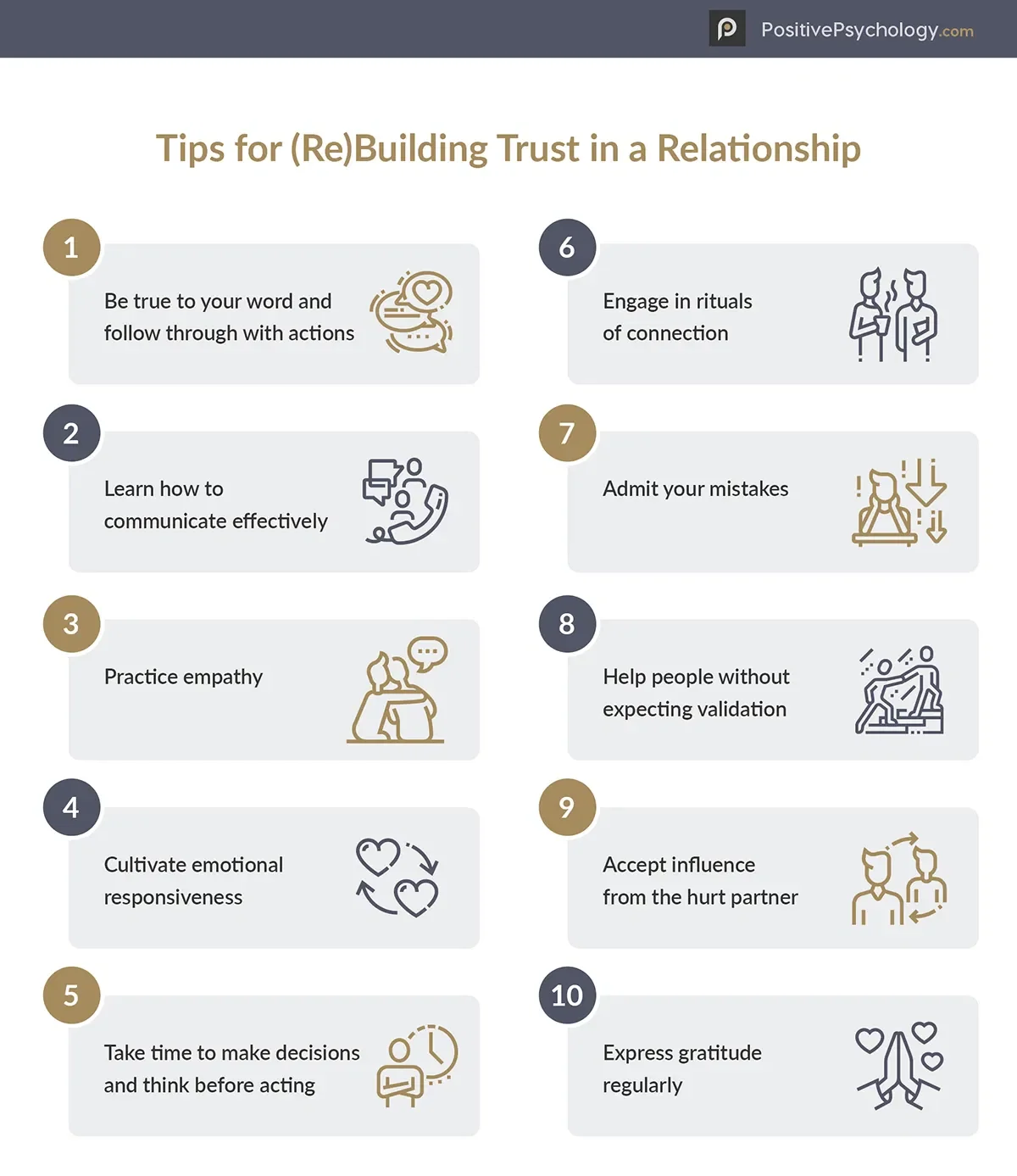
Building trust in new friendships is a dynamic journey requiring patience, effort, and self-awareness. By opening communication, demonstrating reliability, practicing empathy, and embracing vulnerability, trust grows naturally. Avoiding common pitfalls and nurturing connections through honest dialogue and shared joy ensures lasting bonds. Ultimately, trust flourishes best when both friends allow space for growth, change, and understanding across time.