



















Understanding Cast Iron Cookware
The History and Popularity of Cast Iron
Cast iron cookware has stood the test of time, tracing its roots back hundreds of years. Its enduring popularity isn’t just due to nostalgia; cast iron offers exceptional heat retention and versatility. From rustic kitchens to modern homes, it has carved a permanent place in culinary culture. Many home cooks and professional chefs alike swear by it, appreciating how it transforms ordinary ingredients into flavorful meals.
Types of Cast Iron Cookware
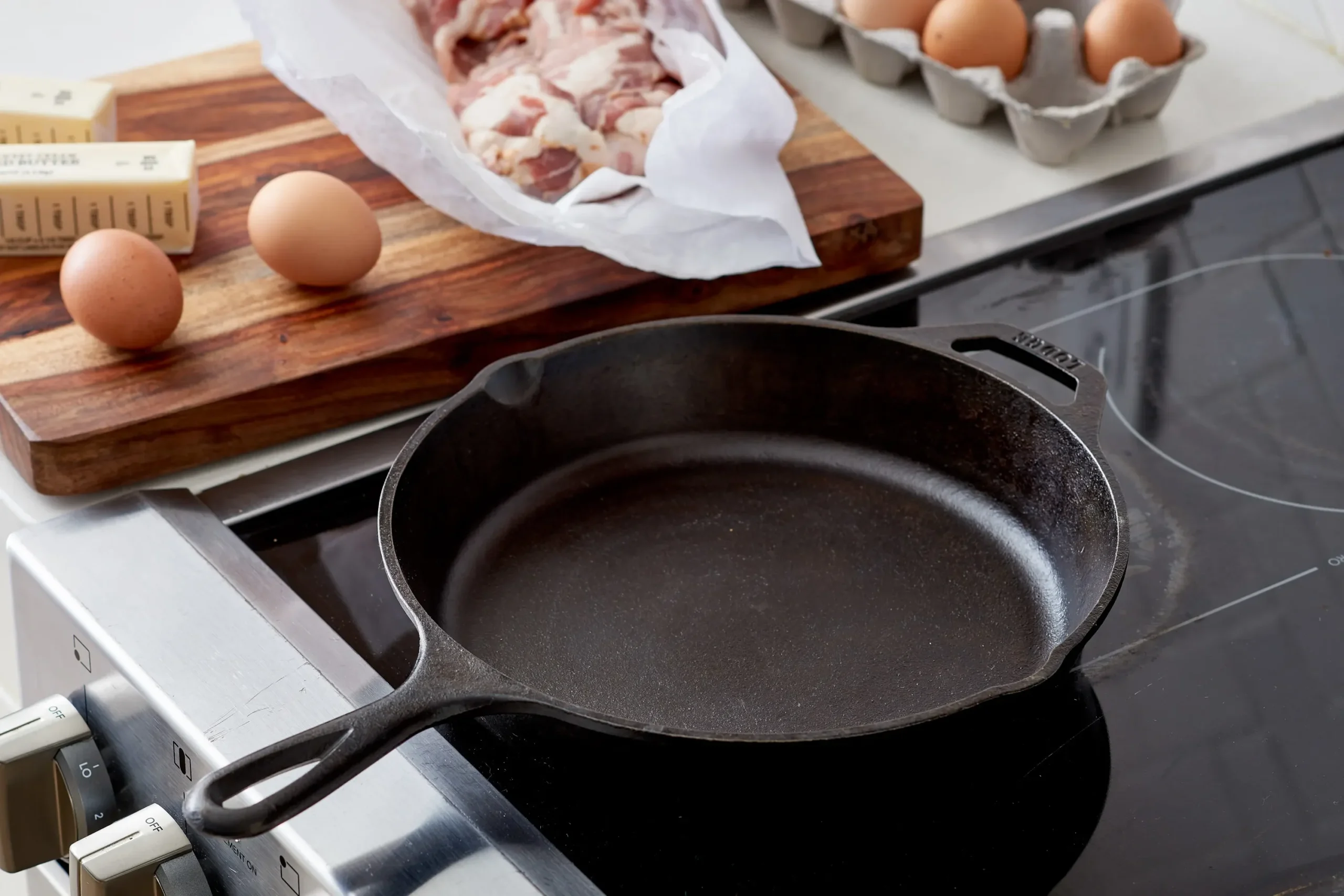
When exploring cast iron options, you’ll find a variety of shapes and sizes designed to suit different needs. Skillets, Dutch ovens, griddles, and grill pans are among the most common types. Each serves a distinct purpose—skillets excel at searing and frying, while Dutch ovens are perfect for slow cooking and baking. Some pieces come pre-seasoned, ready for use, while others might require initial care to build their protective cooking surface.
Choosing the Right Cast Iron Cookware
Evaluating Size and Shape for Different Cooking Needs
Picking the right cast iron cookware depends largely on what you plan to cook regularly. If you enjoy frying eggs or sautéing vegetables, a well-sized skillet around 8 to 10 inches could be ideal. For roasting meats or making stews, a larger Dutch oven might be the better choice. Consider how much food you typically prepare and whether you need a pan with pour spouts or helper handles for easier handling. Remember, lightweight options like the Lancaster No. 8 skillet can heat quickly and are easier to maneuver.
Seasoned vs. Enameled Cast Iron: Pros and Cons
One of the first decisions you’ll face is whether to buy traditional seasoned cast iron or go for enameled varieties. Seasoned cast iron develops a natural nonstick surface through regular use and seasoning, making it incredibly reliable over time. It’s tough enough to handle metal utensils and improves with age. On the other hand, enameled cast iron provides a smooth, colorful coating that requires less maintenance but may chip if mishandled. Both have their place, but if you’re looking for a pan that grows better with frequent cooking and offers that classic rustic appeal, traditional seasoned cast iron is often the favorite.
Where to Buy Quality Cast Iron Pieces
Finding quality cast iron can be a journey. Many brands stand out for their craftsmanship and attention to detail. Stores specializing in kitchen supplies often carry trusted names, and online marketplaces provide a wide range of choices, including options like the affordable Victoria Cast Iron Skillet, which comes pre-seasoned and ready to use. When buying, inspect the pan’s surface, weight, and handle design, and read reviews to ensure durability and performance.
Caring for Your Cast Iron Cookware
Proper Seasoning Techniques
Seasoning is the secret to a great cast iron experience. Unlike modern nonstick coatings that degrade over time, seasoned cast iron only gets better with use. The best way to season your skillet is simply to cook in it regularly. Start by preheating your pan gradually, then use a bit of butter or oil during cooking to help build that natural, durable layer. Avoid skipping meals on your pan; frequent cooking helps maintain its nonstick surface and protects it from rust.
Cleaning and Maintenance Tips
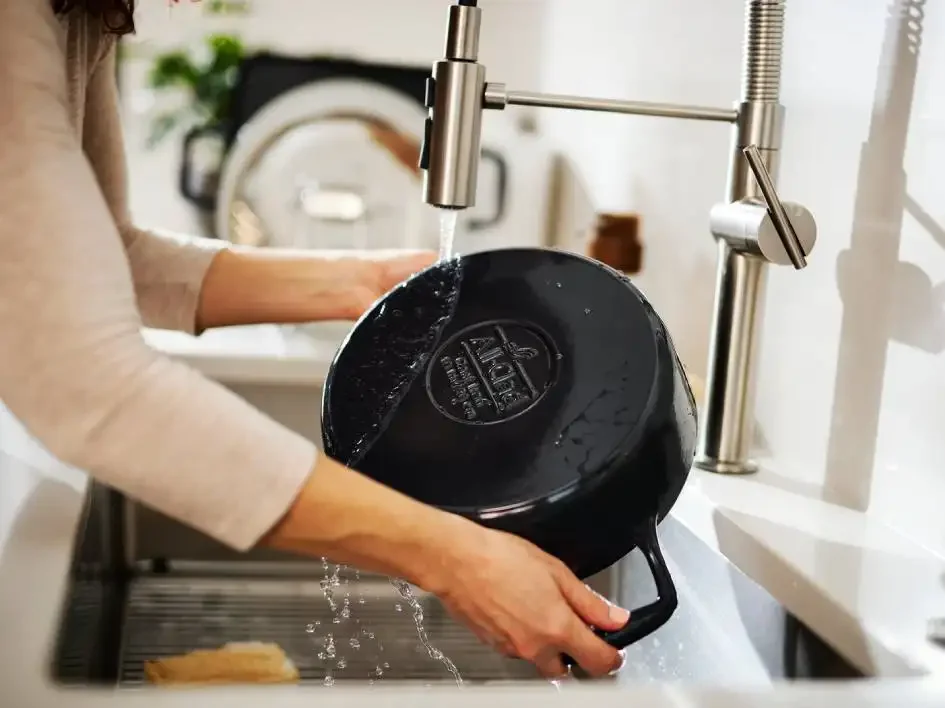
Cleansing cast iron is straightforward but requires some care. After cooking, let the pan cool slightly and wipe it clean with a damp cloth or use warm water and a soft brush. Avoid harsh soaps, which can strip the seasoning. If food sticks, a bit of coarse salt and a scrub pad can help without damaging the surface. Once clean, dry the cookware thoroughly and apply a light coat of oil to prevent rust. Staining or discoloration on smooth pans is normal and part of the seasoning’s development—not damage.
Using Cast Iron in Everyday Cooking
Best Recipes for Cast Iron Skillets and Dutch Ovens
Cast iron truly shines when cooking dishes that require steady, intense heat or slow, even cooking. This makes it perfect for frying eggs to golden perfection, skillet hashes brimming with flavor, or cornbread with that irresistible crust. Dutch ovens excel when braising meats, simmering stews, or baking artisan bread. Sautéed greens also taste wonderful when cooked in a well-seasoned skillet, absorbing the rich flavors that cast iron promotes.
Adjusting Cooking Techniques for Cast Iron
Cooking with cast iron involves a bit more patience than modern cookware. Preheating your pan slowly and adjusting the temperature gradually helps avoid hotspots and stickiness. Resist the urge to fiddle with your food while it cooks. Giving ingredients space to sear properly leads to better flavor and texture. Remember that cast iron holds heat incredibly well, so you may want to lower the flame once your pan is hot to prevent burning and maintain an even cooking surface.
Common Mistakes to Avoid
New cast iron users often make a few typical errors. One is neglecting to preheat the pan correctly, which can cause food to stick. Others include overusing soap during cleaning or leaving the cookware damp, which invites rust. Using excessive heat right from the start can also warp your pan or degrade the seasoning. Lastly, avoid storing food directly in cast iron, as acidic ingredients might damage the seasoning layer. With a little attention, these pitfalls are easy to sidestep.
Enhancing Your Cooking Experience
Accessorizing Cast Iron Cookware
Cast iron becomes even more versatile with a few handy accessories. Silicone handle covers and wooden grips protect your hands from heat, while splatter screens keep your stovetop clean. A dedicated cast iron scraper helps with tough cleanup without harming the seasoning. For those who love baking, a cast iron lid or trivet can expand what your cookware can do, turning it into an all-in-one culinary tool.
Storing and Handling for Longevity
Proper storage can extend the life of your cast iron cookware indefinitely. After cleaning and drying, always apply a thin layer of oil before putting your pan away to keep it rust-free. Store pieces in a dry spot with good air circulation. Avoid stacking pans without protection, as this can chip seasoning or cause scratches. Taking the time to handle your cast iron with care ensures it stays a treasured part of your kitchen for years to come.