



















Understanding the Importance of Work-Life Balance in Remote Work
The Challenges of Blurred Boundaries
Working from home merges personal and professional spaces, making it difficult to distinguish one from the other. Without the natural separation provided by commuting or office environments, hours can stretch unpredictably. This lack of clear division often leads to overworking and difficulty disengaging from job responsibilities.
Impact on Mental and Physical Health
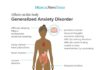
The constant overlap between work and personal life can take a toll on mental well-being. Stress and burnout are common when employees feel perpetually “on.” Physically, remaining sedentary without breaks or movement can contribute to discomfort and long-term health issues. Maintaining a balance is essential to preserving both mental clarity and physical vitality.
Effective Time Management Techniques
Setting a Remote Work Schedule
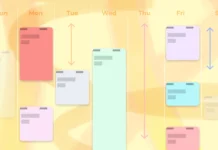
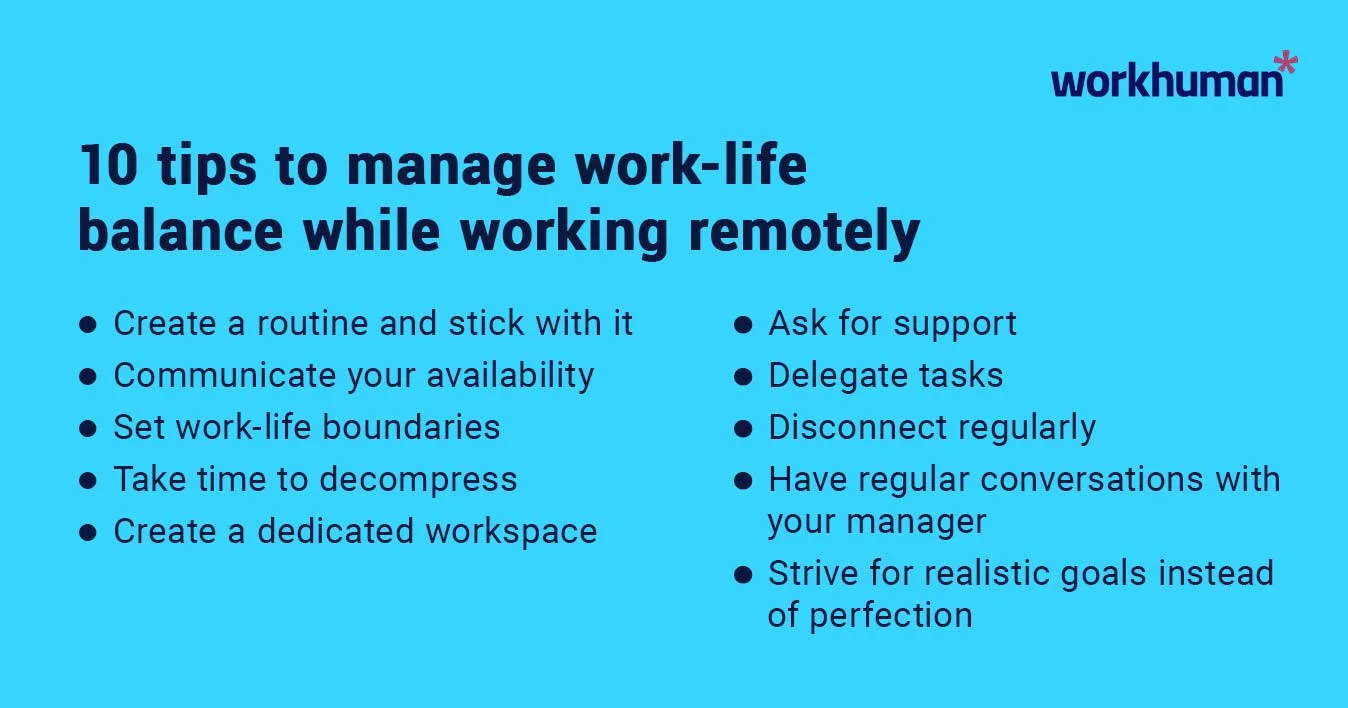
Establishing fixed working hours is fundamental for managing time effectively. A scheduled day offers structure, helping to prioritize tasks and allocate sufficient periods for focused work. Clearly defined start and end times prevent work from consuming all hours of the day, encouraging productivity within boundaries.
Prioritization and Task Management Tools
Utilizing digital tools to list and prioritize tasks enhances focus. Techniques such as the Eisenhower Matrix or time-blocking allow remote workers to identify high-impact activities and organize their days efficiently. Task management apps can provide visual reminders and deadlines, reducing the risk of procrastination.
Incorporating Breaks and Downtime
Regular breaks are crucial to sustain attention and avoid fatigue. Pausing periodically for rest or to run personal errands refreshes the mind and body. Intentional downtime boosts overall productivity and helps in maintaining a steady work rhythm without burnout.
Creating a Dedicated Workspace at Home
Ergonomic Setup for Productivity and Comfort
Designating a specific area for work supports focus and signals the brain to separate work tasks from leisure. An ergonomic setup, including an adjustable chair, proper desk height, and appropriate screen placement, prevents physical strain and promotes comfort over long hours.
Minimizing Distractions and Interruptions
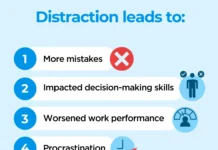
To maintain concentration, the workspace should be as free from distractions as possible. This might involve using noise-cancelling headphones or informing household members of working hours. A clutter-free environment also encourages a clearer mindset and higher efficiency.
Strategies for Separating Professional and Personal Life
Establishing Clear Start and End Times
Defining when work begins and ends fosters discipline and helps reinforce boundaries. Ending the workday at a consistent time prevents the spillover of professional tasks into personal life. This regularity supports mental disengagement from work.
Rituals to Transition Between Work and Leisure
Creating routines to mark the shift between work and personal time can enhance mental separation. Activities such as a short walk, changing clothes, or listening to music can serve as signals that work is done, helping to disconnect and relax.
Communication Strategies with Family and Employers
Setting Expectations with Household Members
Clear communication with family or roommates about work schedules and boundaries is essential. Explaining the need for focused time reduces interruptions and fosters mutual respect. This understanding makes it easier to maintain productivity while preserving relationships.
Maintaining Transparency with Supervisors
Keeping managers informed about availability and workload helps set realistic expectations and prevents misunderstandings. Using shared calendars and status updates ensures alignment and promotes trust when working remotely.
Utilizing Technology to Enhance Balance
Tools to Monitor Work Hours and Productivity
Tracking work hours through apps or calendar integrations supports self-discipline and accountability. Features that automatically decline meetings outside set times help maintain boundaries and protect personal time from being overtaken.
Apps for Relaxation and Stress Management
Technology can also aid mental wellbeing. Meditation apps, breathing exercises, and guided relaxation tools provide accessible ways to manage stress throughout the day. Incorporating these into breaks can revitalize energy levels and focus.
Promoting Mental Wellbeing When Working Remotely
Incorporating Physical Activity into Your Day
Regular movement, whether stretching, walking, or exercising, counters the sedentary nature of remote work. Physical activity releases endorphins that improve mood and reduce stress. Planning social or fitness activities after work enhances this benefit.
Practices for Mindfulness and Stress Reduction
Mindfulness techniques like deep breathing, meditation, or journaling help manage anxiety and maintain emotional balance. Engaging in these practices consistently supports clearer thinking and reduces the mental clutter associated with work stress.
Long-Term Habits for Sustaining Work-Life Balance
Regular Review and Adjustment of Strategies
Work-life balance is dynamic and requires continual reassessment. Periodically evaluating what works and what needs improvement ensures that boundaries stay effective and managing responsibilities remains sustainable over time.
Building Support Systems and Communities
Connecting with others who share remote work experiences provides encouragement and practical advice. Support networks, whether professional groups or informal communities, offer resources and motivation to maintain balance and avoid isolation.