























Understanding the Importance of Independent Homework Habits
The Role of Independence in Academic Success
Developing independent homework habits is a key factor in academic achievement for middle schoolers. Independence in completing assignments fosters critical thinking, time management, and responsibility. These skills are essential not just for school but also for later stages like high school and college. When students learn to manage their work on their own, they gain confidence and a sense of ownership over their education.
Challenges Middle Schoolers Face with Homework
Middle school students often struggle with balancing their growing social lives, emotional changes, and academic demands. Homework can feel overwhelming without proper strategies, leading to procrastination and frustration. Additionally, distractions at home and fluctuating motivation levels contribute to inconsistent work habits. Recognizing these challenges is the first step in guiding middle schoolers toward better homework independence.
Creating an Effective Homework Environment
Designing a Dedicated Study Space
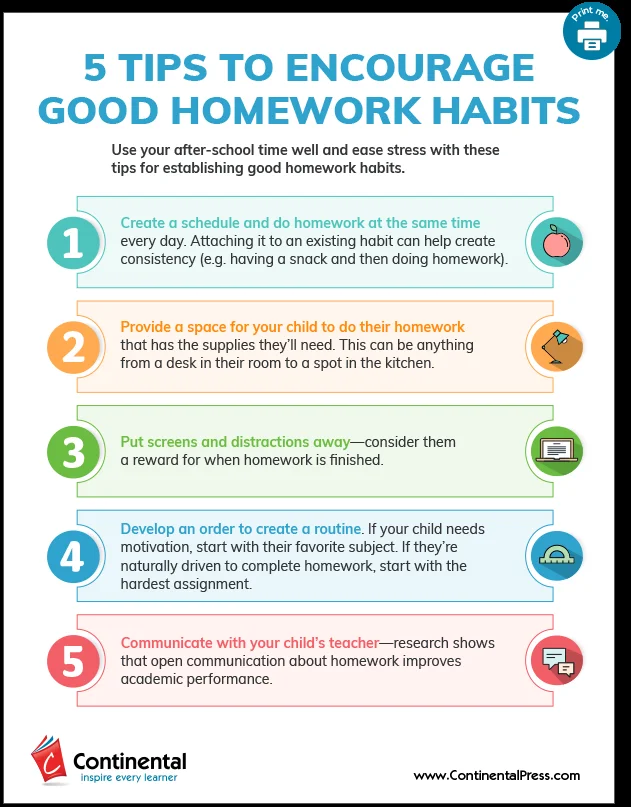
Establishing a consistent, quiet location for homework can significantly improve focus. This space should be free from distractions and well-stocked with necessary supplies. A desk in a bedroom or a spot at the dining table often works well. Keeping materials organized in a portable bin or crate can help when the space is shared. Adding a bulletin board with a calendar to track assignments visually supports long-term planning and accountability.
Minimizing Distractions for Better Focus
Eliminating distractions is crucial. This includes turning off electronic devices not needed for homework and setting clear boundaries about interruptions during study time. Choosing a quiet area away from high-traffic zones in the home helps maintain concentration. Encouraging outdoor time before homework can reduce restlessness and decrease feelings of isolation, promoting a calmer mindset for study.
Time Management Strategies for Middle Schoolers
Using Planners and Homework Calendars
Planners and calendars teach students to organize their workload and deadlines. Writing down assignments helps avoid last-minute rushes and reduces stress. A daily homework planner that includes breaks and reward times encourages a balanced approach. These tools enable children to visualize their tasks and prioritize effectively, making independent study more manageable.
Breaking Tasks into Manageable Chunks
Large assignments can be intimidating. Helping students break work into smaller, achievable parts builds confidence and prevents procrastination. Encouraging children to estimate how long each task will take promotes realistic planning. Allowing brief, physical activity breaks or chores can channel energy positively before returning to work refreshed.
Building Motivation and Responsibility
Setting Realistic Goals and Rewards
Goal-setting aligned with achievable milestones motivates students to stay on track. Rewards for completing homework provide positive reinforcement. These do not have to be elaborate—simple reminders of fun activities after work can be enough to inspire effort. Maintaining reasonable expectations avoids creating pressure and keeps motivation intrinsic rather than purely grade-focused.
Encouraging Self-Reflection and Ownership
Encouraging students to reflect on their progress helps them take responsibility for their learning. Discussing what strategies worked or where improvements can be made empowers them to adjust habits independently. This mindset shift from adult-led supervision to self-monitoring lays the foundation for lifelong learning and accountability.
Parental Roles in Supporting Independence
When to Step In and When to Step Back
Parents play a vital role in supporting but not controlling homework. Early middle school may still require observation and guidance, but gradually stepping back promotes autonomy. Over-involvement can reduce motivation and hinder the development of problem-solving skills. Recognizing when to offer support and when to allow space is essential.
Providing Encouragement Without Doing the Work
Providing emotional support and encouragement without completing tasks for the child maintains their independence. Helping the child understand assignments before they begin is key. Avoid becoming a taskmaster or constantly supervising, as this can diminish self-confidence. Instead, aim to be a consultant who offers advice and reassurance when asked.
Tools and Resources to Support Independent Learning
Homework Apps and Online Resources
Technology can assist independent homework habits when used appropriately. Various apps help organize tasks, set reminders, and provide educational resources. Online platforms offer interactive learning and instant feedback, supporting different learning styles. Choosing reliable tools and setting boundaries on their use ensures they enhance rather than distract from homework.
Accessing Tutor Support if Necessary
If a student struggles despite good habits, seeking tutor support can be beneficial. Tutors offer personalized guidance tailored to the child’s needs and learning style. This support encourages independence by building understanding and confidence rather than completing work for the student. Knowing when to involve professional help is part of a balanced approach to homework success.