





















Understanding the Dynamics of Personal Space and Togetherness
Why Balancing Space Matters in Cohabiting Relationships
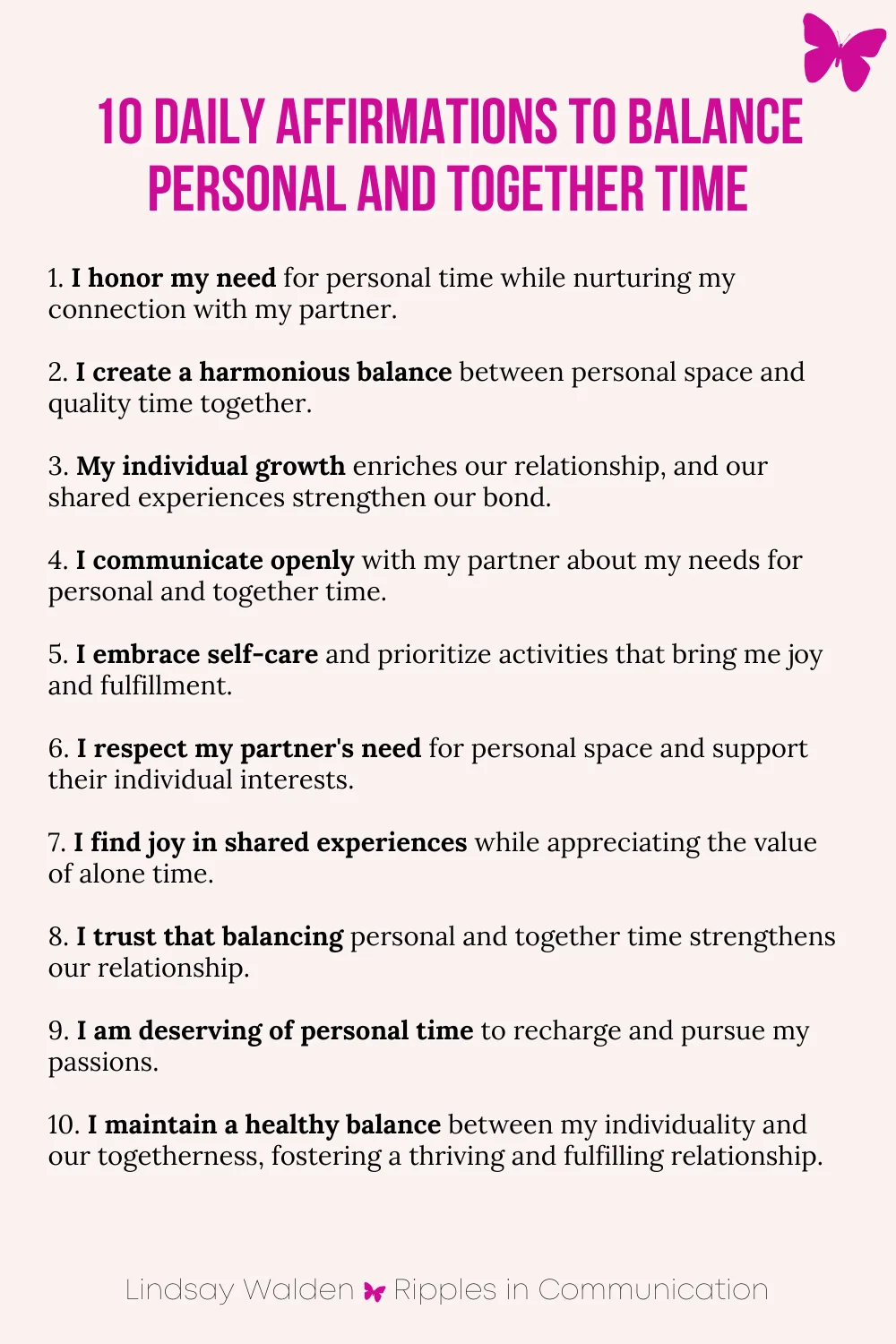
Imagine Emma and James, a couple excited to start living together after years of dating. Initially, their shared excitement about cohabitation fuels their days, but soon, subtle tensions arise. Emma loves quiet mornings to journal and reflect, while James enjoys watching news shows first thing. Without clear boundaries, the blending of these routines can lead to irritation. Balancing personal space with togetherness is essential because it maintains individual identity while nurturing the partnership. When partners honor each other’s need for solitude alongside shared moments, they create a harmonious living environment that supports emotional well-being and relationship growth.
Psychological Impact of Overlapping Boundaries
Overlapping boundaries can cause significant stress, leading to feelings of suffocation or neglect. Consider Mia, who found herself constantly interrupted when working from home, as her partner unintentionally invaded her workspace. Such intrusions can erode trust and increase frustration if not addressed. Often, the psychological toll manifests as irritability, anxiety, or withdrawal, which may escalate minor conflicts into deeper relationship rifts. Recognizing these impacts early can help couples establish clearer limits, promoting mutual respect and emotional safety.
Identifying Individual and Shared Needs
Recognizing Personal Space Requirements
Everyone has unique needs for personal space, influenced by personality, work demands, and stress levels. When Alex, an introverted software developer, moved in with his partner Lily, an extroverted event planner, they quickly realized the importance of honoring these differences. Alex needed quiet zones and allocated time to recharge alone, while Lily thrived in social interaction. By openly acknowledging these preferences, they prevented misunderstandings and nurtured individual comfort within their shared life.
Defining Togetherness Preferences as a Couple
Equally important is understanding what togetherness means to both partners. Some may cherish frequent shared meals and nightly conversations, while others prioritize mutual hobbies or weekend outings. For Sarah and Daniel, scheduling weekly date nights became a way to connect despite their busy careers. By discussing and agreeing on these togetherness rituals, couples establish a foundation that meets emotional needs and promotes bonding without overwhelming personal space.
Creating Boundaries That Respect Both Partners
Physical Space Solutions: Separate Zones in the Home
Physical boundaries help create a sense of individuality within a shared environment. Rachel and Marcus, for instance, transformed an unused nook into Rachel’s reading sanctuary, complete with cozy lighting and her favorite books, while Marcus set up a music corner. These separate zones allowed each partner to retreat when needed. Even in smaller living spaces, clever use of furniture, screens, or designated areas like a specific chair can create meaningful physical separation that respects both partners’ comfort.
Emotional Boundaries: Communicating Without Offending
Emotional boundaries are often more delicate but equally vital. For example, when Sam felt overwhelmed by constant check-ins from his partner, he gently expressed the need for some breathing space without making his partner feel rejected. Effective communication relies on expressing feelings honestly, using “I” statements, and assuring the other person that the request for space is about self-care rather than relationship dissatisfaction. By framing conversations with empathy and clarity, couples can maintain emotional safety while protecting individual needs.
Daily Practices to Foster Respect for Space
Designing Routines That Include Solo Time
Incorporating “me time” into daily routines can prevent tension from building. Take Jenna and Carlos, who deliberately set aside 30 minutes each evening for independent activities—Jenna meditates while Carlos plays guitar. This regular solo time helps them decompress and return to the shared space refreshed. Consistent routines that include personal downtime foster respect and demonstrate that alone time is valued rather than ignored or dismissed.
Scheduled Couple Time: Prioritizing Togetherness
Balancing solo moments with dedicated couple time ensures connectedness. Lauren and Ben block off Sunday afternoons for joint activities like hiking or cooking together, treating these moments as essential appointments. This scheduled togetherness counters the risk of drifting apart amid busy schedules and reinforces their commitment. By intentionally prioritizing shared experiences, couples maintain emotional intimacy alongside their personal space.
Using Technology to Enhance Rather Than Intrude
Setting Digital Boundaries
Technology can either bridge gaps or create intrusion. For example, Mia and Tom agreed on a “no phones during dinner” rule to fully engage in conversation. Setting such digital boundaries prevents devices from undermining quality time and respects the need for undistracted togetherness. Likewise, turning off notifications during personal work or rest periods helps maintain privacy and reduces stress caused by constant connectivity.
Tools for Coordinating Shared and Personal Schedules
Using shared calendars and apps to coordinate activities can streamline balancing space and togetherness. When Priya and Mark started using a shared online calendar, they could easily align their busy work and social lives while reserving solo time without conflicts. This practical approach reduces misunderstandings and fosters transparency, allowing both partners to plan their needs and commitments harmoniously.
Resolving Conflicts Related to Space and Togetherness
Active Listening Techniques
Conflicts inevitably arise, but how partners handle them determines the outcome. When disagreements about space occurred between Nina and Greg, they practiced active listening—fully focusing on the speaker, reflecting feelings, and withholding judgment. This technique allowed them to understand each other’s perspectives deeply and feel heard, reducing defensiveness and opening the door to mutual solutions.
Compromise and Flexibility Strategies

Effective conflict resolution often requires compromise. For example, when Jenny needed longer morning solitude, and Michael preferred earlier breakfast together, they adjusted their schedules to accommodate both: Jenny enjoyed quiet time before joining Michael for a late breakfast. Flexibility, coupled with ongoing dialogue, enables couples to navigate changing needs without resentment, fostering a cooperative partnership.
Long-Term Strategies for Sustaining Balance
Periodic Check-Ins and Adjustments
Relationships evolve, and so do individual needs. Emma and James found that periodic check-ins—monthly conversations about how they felt regarding balance—helped them stay aligned. These honest discussions revealed when one partner needed more space or connection and allowed them to adjust boundaries accordingly, preventing buildup of hidden frustrations.
Growth Mindset: Evolving Together While Honoring Self
Finally, sustaining balance requires embracing a growth mindset—seeing the relationship as a dynamic process where both partners evolve. Supporting each other’s personal growth, hobbies, and friendships outside the relationship, as Claire and Matt did, enriches their connection. Recognizing that time apart can enhance time together fosters appreciation and resilience, making partnership a collaborative journey where individual and shared happiness coexist.