





















Why Reducing Screen Time Improves Sleep Quality
The Science Behind Blue Light and Melatonin
Exposure to blue light emitted from screens suppresses the production of melatonin, the hormone responsible for regulating sleep. This disruption makes it harder to fall asleep and reduces overall sleep quality. Decreasing screen exposure especially in the evening helps maintain natural melatonin rhythms, supporting better rest.
Impact of Screen Time on Sleep Patterns
Excessive screen use before bed can delay the onset of sleep and alter sleep cycles. This often results in shorter deep sleep phases and more frequent awakenings throughout the night. Reducing screen time near bedtime promotes a more consistent and restorative sleep pattern.
Assessing Your Current Screen Usage
Tracking Screen Time With Apps and Tools
Many devices offer built-in features to monitor daily screen time. Utilizing these tools provides a clear picture of how much time is spent on screens and during which parts of the day. This information is essential to identify the most disruptive habits affecting sleep.
Identifying Problematic Usage Patterns
Reviewing screen time data helps recognize behaviors such as late-night scrolling or repeated checking of devices. Awareness of these patterns is the first step toward making informed changes that benefit sleep health.
Step 1: Setting Boundaries for Screen Use
Defining Bedtime Screen Curfews
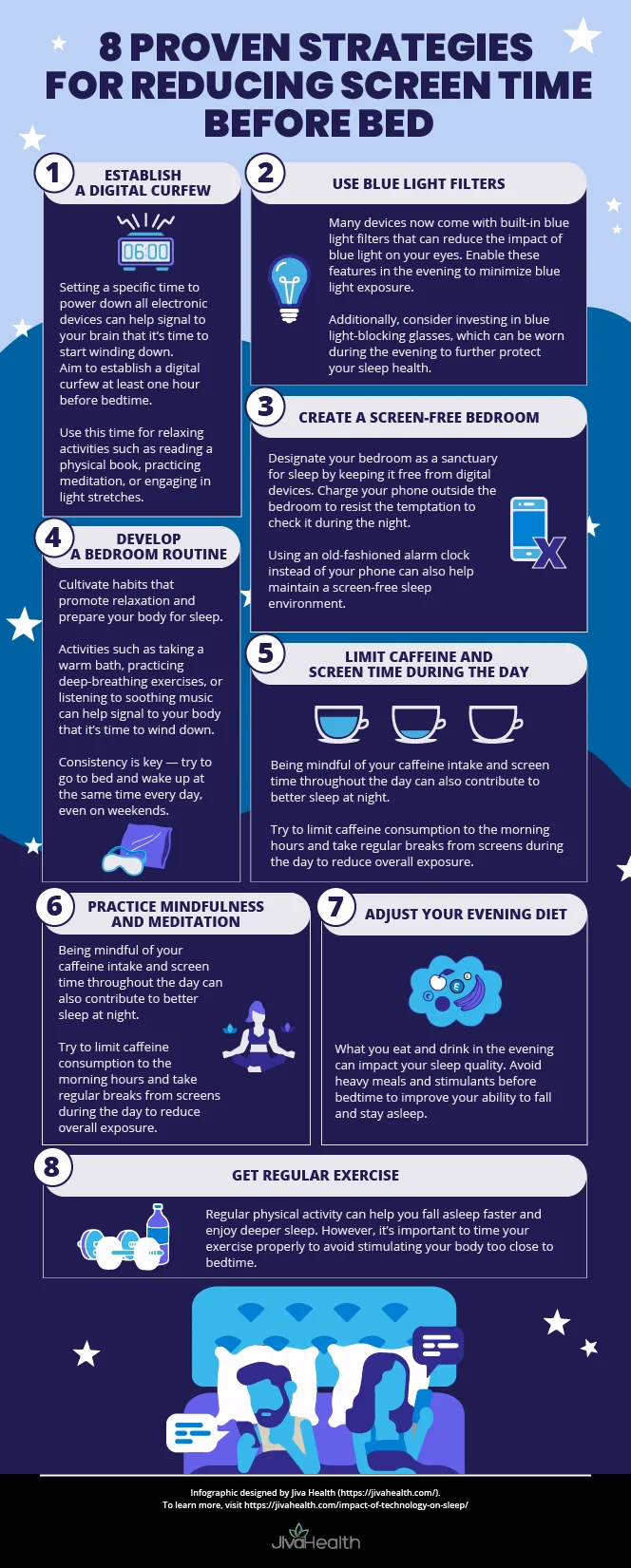
Establish a fixed time when all screens are turned off each evening, ideally at least an hour before sleep. This boundary prevents overstimulation and encourages winding down. Consistency in adhering to this curfew strengthens its effectiveness over time.
Creating No-Screen Zones in Your Home
Designate certain areas, such as the bedroom or dining room, as screen-free spaces. This separation helps associate these places with rest and connection rather than digital engagement. It supports more mindful habits and reduces unconscious screen use.
Step 2: Implementing Technology Aids
Using Blue Light Filters and Night Modes
Modern devices often include settings to reduce blue light emission, such as night modes or blue light filters. Activating these features in the evening can lessen the impact screens have on melatonin suppression and minimize sleep disruption.
Scheduling Automatic Device Shutdowns
Setting devices to power down or silence notifications at preset times helps enforce screen curfews without relying solely on willpower. This automation creates a structured environment that encourages healthier screen habits before sleep.
Step 3: Replacing Screen Time With Relaxation Rituals
Activities to Calm the Mind Before Bed
After limiting screens, engaging in calming activities such as gentle stretching, deep breathing, or listening to soothing music can prepare the mind for rest. These practices help shift focus away from digital stimuli and induce relaxation.
The Role of Reading, Meditation, and Journaling
Non-screen activities like reading a book, practicing meditation, or journaling offer mindful alternatives that support sleep preparation. These rituals provide mental clarity and reduce stress, contributing to a smoother transition into sleep.
Step 4: Building Consistent Sleep Hygiene Habits
Establishing a Relaxing Pre-Sleep Routine
Develop a set routine each night that signals to the body it is time to unwind. This might include dimming lights, avoiding stimulating conversations, and performing calming exercises. Consistency reinforces the body’s natural sleep-wake cycle.
Importance of Regular Sleep and Wake Times
Maintaining consistent times for going to bed and waking up strengthens the internal body clock. This stability enhances both the ease of falling asleep and the quality of sleep throughout the night.
Monitoring Progress and Adjusting Your Strategy
Signs of Improved Sleep Quality
Noticeable improvements include falling asleep faster, feeling more rested upon waking, and experiencing fewer nighttime awakenings. These signs indicate that reducing screen time is positively affecting your sleep.
When to Seek Professional Help
If sleep difficulties persist despite reducing screen use and practicing good habits, consulting a sleep specialist or healthcare professional is advisable. Persistent issues may require additional evaluation beyond lifestyle adjustments.