






















Understanding Contact Dermatitis: Basics and Causes
What is Contact Dermatitis?
Contact dermatitis is a common skin condition that results from exposure to substances causing irritation or allergic reactions. It manifests as inflammation, redness, and itching in the affected areas. The problem occurs because the skin’s protective barrier is disrupted or reacts adversely to an external agent, leading to discomfort and sometimes more severe symptoms.
Common Irritants and Allergens to Know
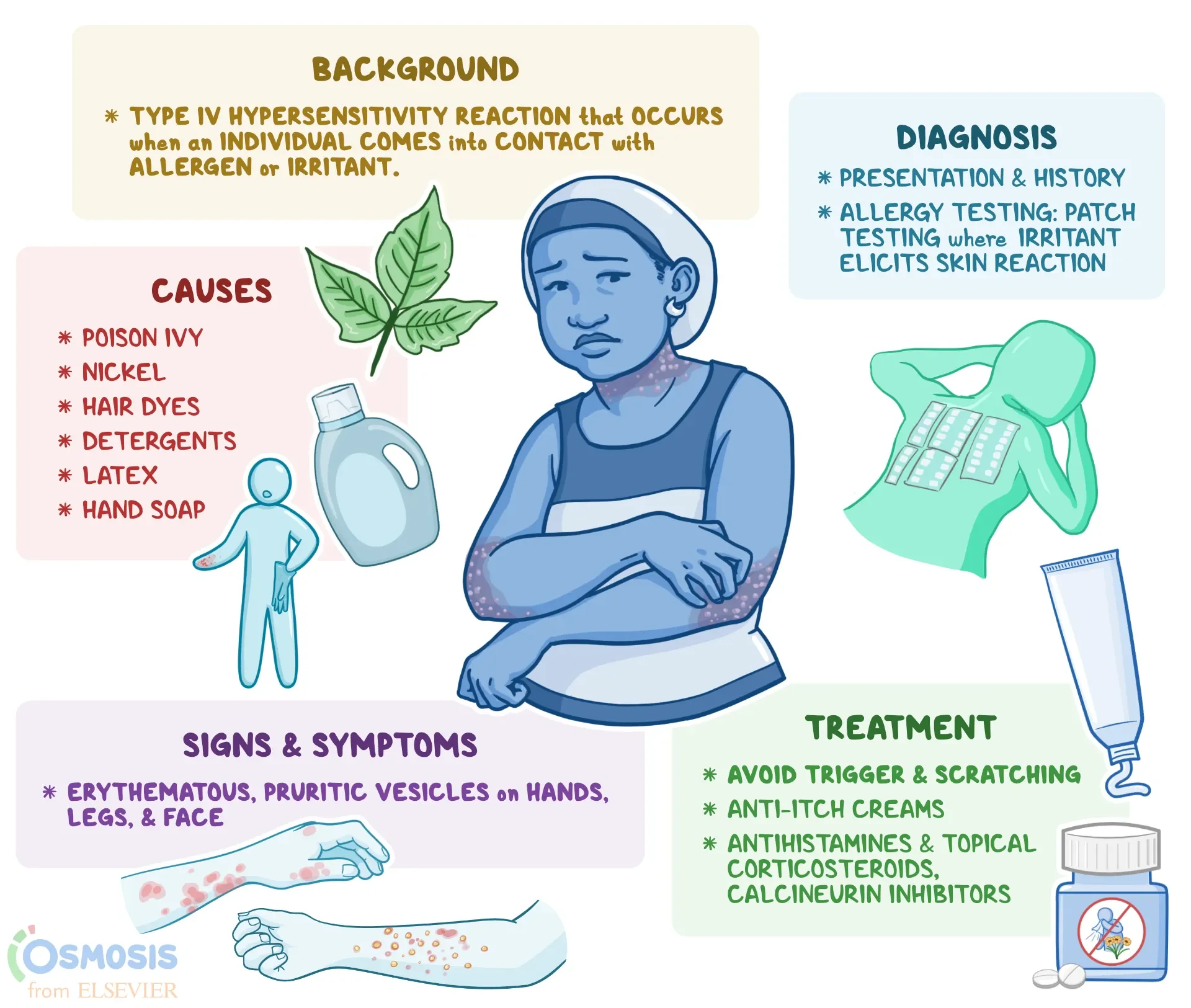
The root cause of contact dermatitis usually lies in exposure to irritants or allergens. Irritants such as harsh soaps, detergents, or solvents can strip the skin of its natural oils, leading to dryness and inflammation. Allergens, on the other hand, provoke an immune response; common examples include nickel in jewelry, certain fragrances, latex, or plant oils like poison ivy. Understanding these triggers is essential to prevent ongoing skin damage.
Types of Contact Dermatitis: Irritant vs. Allergic
There are two main types of contact dermatitis, each with distinct causes and characteristics. Irritant contact dermatitis develops after direct damage to the skin by chemicals or physical factors, often appearing soon after exposure. Allergic contact dermatitis, however, is an immune reaction that can occur hours or even days after contact with a specific allergen. Differentiating between these types is crucial for managing the condition effectively.
Recognizing the Signs and Symptoms
Visual Indicators on the Skin
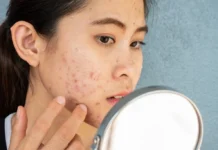
One of the first problems people notice with contact dermatitis is visible changes in the skin. These typically include redness, swelling, and sometimes small blisters or dry, cracked patches. The affected area often corresponds closely to where the irritant or allergen made contact. This visual cue helps in identifying the problem early and isolating potential causes.
Common Sensations and Reactions
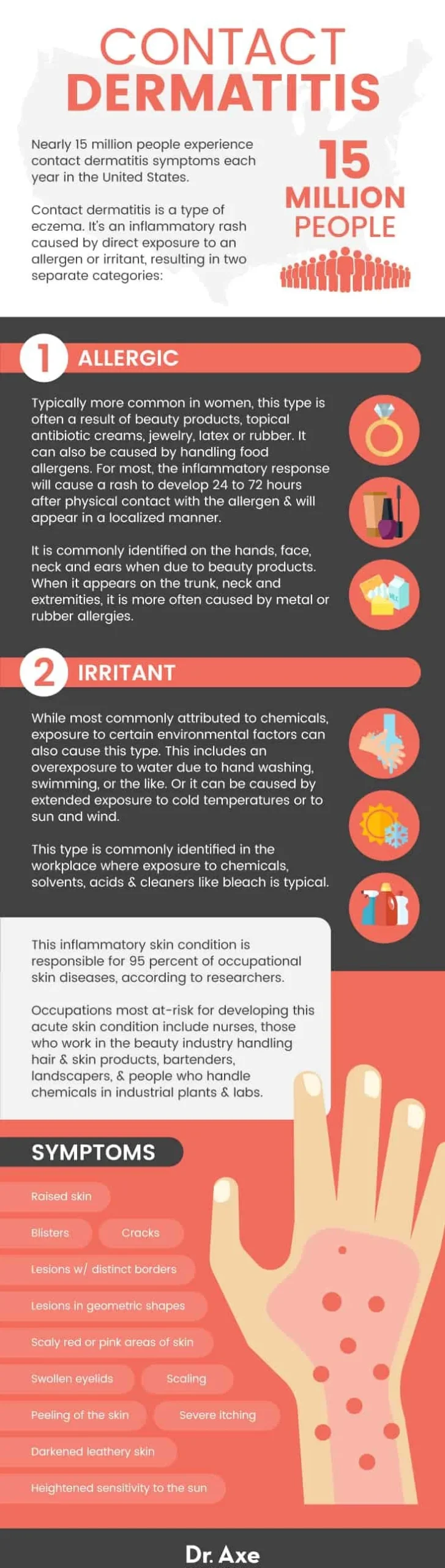
Alongside the visible symptoms, the skin usually reacts with itching, burning, or tenderness. Some may experience a stinging sensation, particularly if blisters rupture. These uncomfortable sensations not only cause distress but can also lead to scratching, which worsens the condition by further damaging the skin barrier.
Step-by-Step Approach to Identifying Contact Dermatitis
Tracking Recent Exposure: What to Look For
When faced with suspected contact dermatitis, the initial challenge is identifying the triggering substance. A good method is to track what the skin has come into contact with in the past few days. This includes new soaps, cosmetics, plants, fabrics, or cleaning materials. Taking notes on any products applied or activities performed can reveal patterns indicating which item might be responsible.
Using Patch Testing at Home: Tips and Cautions
While professional patch testing is the most reliable method for pinpointing allergens, cautious home testing may help narrow down causes. This involves applying small amounts of suspected substances to a discreet skin area and observing for reactions over 48 to 72 hours. However, this should be done carefully to avoid worsening the skin condition. If irritation intensifies, stop testing immediately and seek professional advice.
When to Seek Professional Diagnosis
If symptoms persist despite avoiding suspected irritants, or if the reaction is severe, professional evaluation becomes necessary. Dermatologists can perform specialized testing and provide a definitive diagnosis. This step is particularly important when distinguishing allergic reactions from other skin conditions, ensuring appropriate treatment and management.
Managing Contact Dermatitis Without Leaving Home
Immediate Care: Cleaning and Soothing Affected Areas
One common problem after exposure to a potential irritant or allergen is knowing how to act quickly to minimize damage. The best solution is to rinse the affected skin promptly with warm water and a gentle emollient to remove residues and soothe irritation. This early intervention can reduce the severity of symptoms and limit inflammation.
Over-the-Counter Treatments and Their Proper Use
Many people struggle with choosing suitable over-the-counter remedies for contact dermatitis. Emollients play a critical role in restoring skin hydration and barrier function, and they should be applied generously and often. Topical corticosteroids can reduce inflammation but should be used according to product instructions to avoid side effects. Additionally, using soap substitutes instead of harsh soaps helps prevent further drying and irritation.
Creating a Safe Environment: Preventing Re-Exposure
Managing contact dermatitis effectively also involves minimizing future contact with known irritants or allergens. This means thoroughly checking ingredient lists on personal care products, household cleaners, and cosmetics. Wearing protective gloves when handling potentially harmful substances is another practical measure. However, it’s important to remove gloves periodically to prevent sweating, which can exacerbate symptoms. For those sensitive to rubber gloves, cotton liners underneath may offer relief.
Lifestyle Adjustments for Long-Term Skin Health
Protective Measures: Clothing, Gloves, and Barriers
Long-term management of contact dermatitis often requires lifestyle changes to reduce skin exposure to irritants. Choosing soft, breathable fabrics like cotton reduces friction and irritation, while avoiding synthetic materials that can provoke reactions. When gloves are necessary, selecting the proper type and taking breaks is important to prevent moisture buildup and worsening symptoms. Skin should also be kept well-moisturized to maintain its natural barrier against environmental triggers.
Home Remedies and Natural Treatments: What Works?
Some seek natural approaches to soothe and heal irritated skin. Applying cool compresses or using moisturizing agents like colloidal oatmeal can alleviate itching and discomfort. However, it’s key to ensure these remedies do not contain fragrances or additives that could worsen the condition. While home treatments can provide relief, they should complement, not replace, proper skincare routines and professional advice when needed.
When to Consult a Healthcare Provider
Signs Your Condition is Worsening
Not all contact dermatitis cases can be managed at home, especially when symptoms intensify. Signs that warrant medical attention include increased swelling, spreading rash, oozing or bleeding skin, and severe pain. Particularly alarming are symptoms like swelling of the face, throat tightness, or breathing difficulties, which require emergency care immediately.
Understanding Prescription Options and Professional Care
Healthcare providers can offer treatments beyond over-the-counter options, including stronger topical steroids, antihistamines, and in some cases, immunosuppressive therapies. Dermatologists can also guide patients in allergen avoidance and may recommend specialized testing to accurately identify triggers. Working with professionals ensures tailored, effective management, reducing flare-ups and improving long-term skin health.