




















Understanding Digital Distractions in Remote Work
Common Sources of Digital Interruptions
Working from home offers unparalleled flexibility, but it also opens the door to a variety of digital distractions. These interruptions often come in the form of social media notifications, email alerts, and the temptation to browse the internet aimlessly. Without the natural separation of a traditional office, it’s easy to fall into the trap of dipping in and out of work tasks. Household chores, hobbies, and even casual phone usage add layers of distraction that can fragment your attention throughout the day.
Psychological Impact of Digital Overload
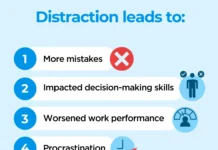
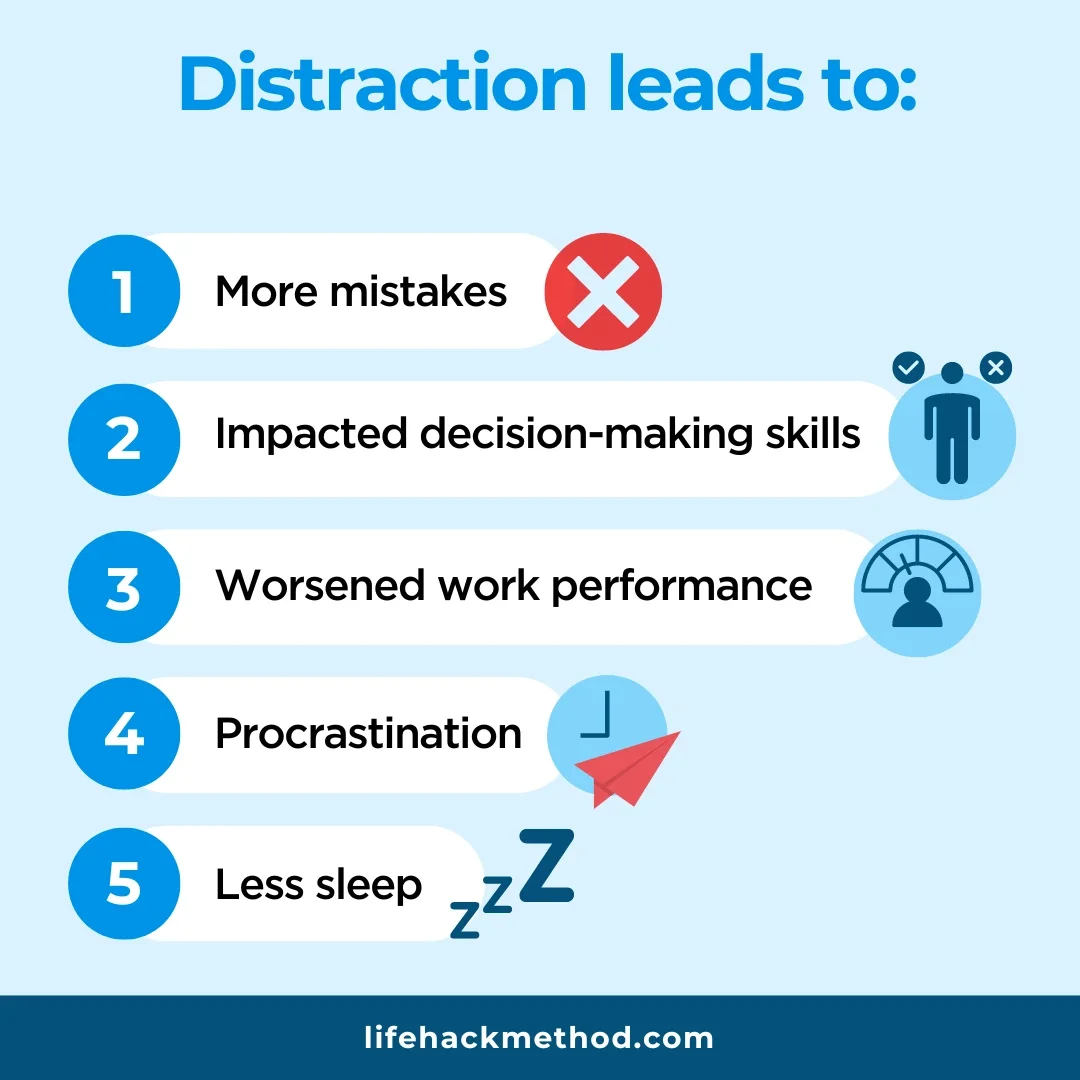
The constant barrage of digital stimuli doesn’t just break your concentration—it can exhaust your mental energy. When you’re pulled in multiple directions by notifications and spontaneous online activity, your brain struggles to enter a state of deep focus. This overload can lead to increased stress, diminished productivity, and even burnout. Recognizing the psychological toll is important, especially since many remote workers underestimate how much subtle interruptions chip away at their cognitive resources.
Optimizing Your Home Workspace for Focus
Designing a Distraction-Free Environment
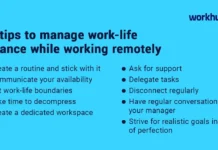
Creating a workspace that supports concentration is foundational to reducing digital distractions. This means carving out a dedicated area in your home that signals it’s time to work. Whether it’s a corner with a desk or a spare room, your workspace should be free from household temptations. Resist the urge to perform chores or combine personal errands in this zone. When your environment consistently cues productivity, it tells your brain to switch into work mode, making it easier to maintain focus.
Essential Tools and Technology Setup
Equipping your workspace with the right technology also plays a key role. Reliable internet, a quality headset, and a monitor setup that minimizes screen clutter can boost your efficiency significantly. Investing in productivity apps isn’t just about convenience—it’s a strategy to keep distractions in check. Tools like Hubstaff, for example, help streamline team communication and task tracking so you can stay organized without the distraction of constant status checking or unscheduled meetings.
Implementing Time Management Techniques
Using the Pomodoro Technique to Stay on Track
One of the most effective time management strategies for remote workers is the Pomodoro Technique. This method encourages working in focused intervals, typically 25 minutes, followed by a short break. By committing to these bursts of concentrated effort, you reduce the temptation to engage in unrelated digital distractions. The built-in breaks provide a necessary mental reset, preventing fatigue and helping maintain high levels of productivity throughout the day.
Scheduling Breaks and Managing Energy Levels
A common pitfall when working from home is mismanaging breaks—often slipping into household chores or distractive activities during these moments. Instead, schedule breaks intentionally and stick to them. Use this time to recharge your energy, whether that means stretching, stepping outside for fresh air, or practicing mindfulness. Balancing work and family responsibilities with thoughtful break planning ensures you return to tasks refreshed and capable of sustained focus.
Leveraging Technology to Minimize Interruptions
Effective Use of Website Blockers and App Limiters
Digital distractions often sneak in disguised as harmless browsing or social media scrolling. Website blockers and app limiters can be powerful allies in curbing these impulses. By restricting access to distracting sites during work hours, these tools help guard your attention against unplanned detours. You might find your productivity soar simply by setting boundaries for when and how often you interact with potentially diverting apps.
Configuring Notifications for Maximum Productivity
Notifications are designed to capture your attention—but in a work-from-home setting, they can become relentless interruptions. Customizing your notification settings allows you to prioritize what truly needs immediate attention and mute the rest. Turning off non-essential alerts or scheduling “do not disturb” periods during focus times can make a significant difference in your ability to concentrate. The key is finding a balance that keeps you informed without overwhelming your workflow.
Mindfulness and Behavioral Strategies
Practicing Digital Detox During Work Hours
Incorporating moments of digital detox is vital for maintaining mental clarity. Disconnecting from non-work-related devices during your designated work hours prevents the habitual checking of phones or social platforms. This practice not only reduces distractions but also improves your overall well-being by giving your brain a chance to rest from constant stimulation. Consistency in this habit gradually strengthens your ability to resist digital temptations.
Developing Self-Discipline and Focus Rituals
Building self-discipline is at the heart of combating digital distractions. Establishing daily rituals—like starting work at the same time, setting clear goals, or using specific focus cues such as music or lighting—creates a framework that supports steady concentration. It’s also crucial to be mindful of how hobbies and interests fit into your schedule, keeping them separate from work time to avoid blurring boundaries. Over time, these rituals cultivate a habit of focus that becomes second nature.