


















Understanding Stress in High-Pressure Work Environments
Causes and Triggers of Workplace Stress
High-pressure work environments often come with a unique set of stressors. Common triggers include tight deadlines, excessive workload, demanding clients, and limited autonomy. These factors can create persistent tension and pressure, leading to a challenging atmosphere. Awareness of these triggers is a crucial step in managing stress before it escalates.
Impact of Chronic Stress on Health and Productivity
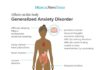
Chronic stress is more than just an emotional state; it affects both physical health and work performance. Persistent stress can manifest as headaches, chest tightness, fatigue, muscle tension, and frequent illness. Emotionally, it may cause poor concentration, feelings of overwhelm, irritability, and decreased motivation. Over time, this can significantly reduce productivity and job satisfaction.
Immediate Stress-Relief Techniques for On-the-Job Use
Breathing Exercises and Mindfulness Breaks
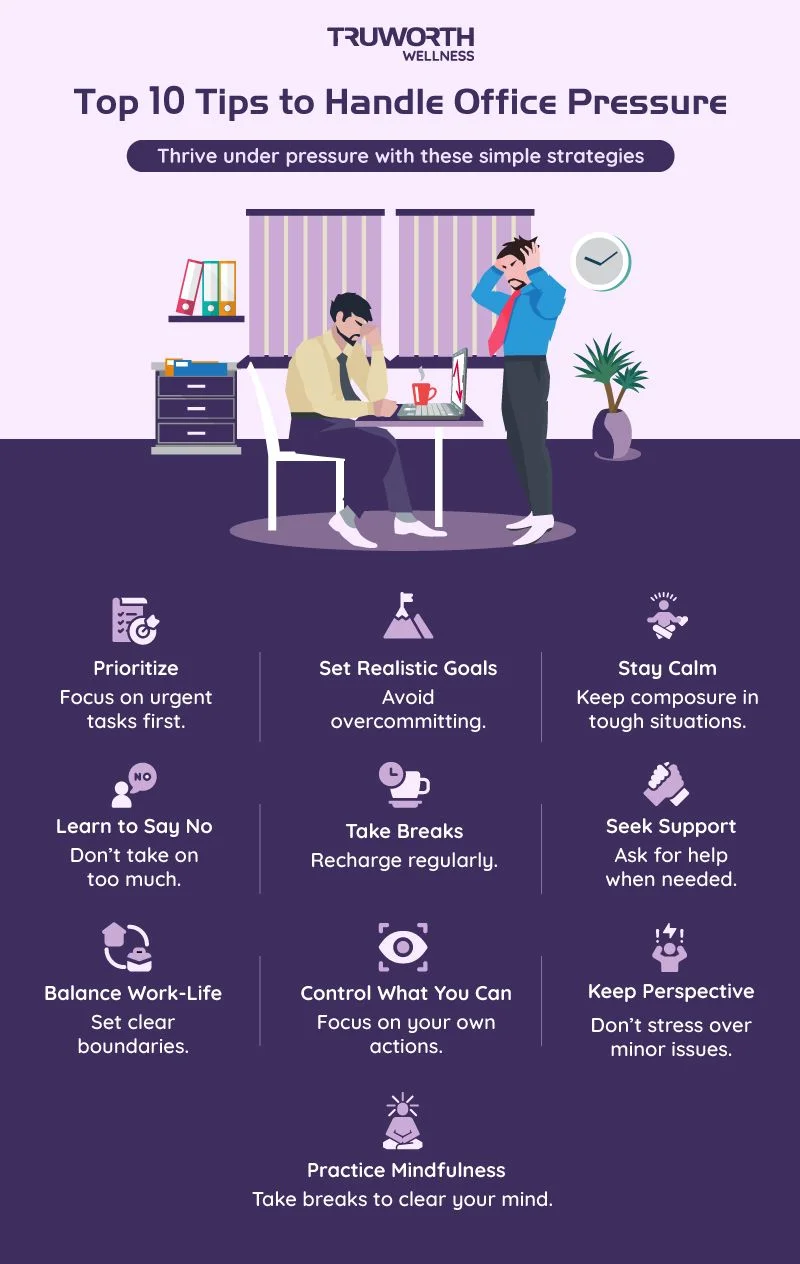
Deep breathing exercises offer a quick way to counter immediate stress by activating the parasympathetic nervous system. Taking a few minutes each day for mindful breathing can calm the mind and restore focus. Mindfulness breaks, where attention is redirected away from stressors to the present moment, help reduce anxiety and promote mental clarity during busy workdays.
Quick Physical Activities to Re-energize
Physical movement, even for a few minutes, can help dissipate stress hormones and boost energy levels. Simple activities like stretching, walking away from the desk, or light exercises can rejuvenate the body and mind. These brief breaks are especially beneficial in maintaining alertness and avoiding burnout during intense work periods.
Long-Term Strategies for Sustainable Stress Management
Time Management and Prioritization Skills
Effective time management is foundational for reducing workplace stress. Breaking projects into smaller, manageable tasks increases a sense of accomplishment and decreases pressure. Setting clear, achievable goals helps maintain focus without feeling overwhelmed. Prioritizing tasks ensures that critical work receives attention first, creating a balanced workflow and preventing last-minute crises.
Building Resilience Through Emotional Intelligence
Emotional intelligence enables individuals to understand and regulate their emotions, an essential skill in managing ongoing stress. Developing resilience involves recognizing stress responses and adapting to challenges with a calm, measured approach. Over time, this skill strengthens coping mechanisms, increases patience, and improves interactions with colleagues during stressful situations.
Creating a Supportive Work Environment
Role of Managers in Stress Reduction
Managers play a pivotal role in alleviating workplace stress by fostering a supportive atmosphere. Encouraging open dialogue about challenges and normalizing feelings of anxiety helps reduce stigma. Providing resources on mental health and suicide prevention, supporting flexible work arrangements, and promoting take-leave policies demonstrate a commitment to employee well-being.
Fostering Open Communication and Team Support
Open communication channels enable employees to express struggles and seek advice without fear of judgment. Using workplace communication strategies to support staff encourages collaboration and problem-solving. Teams that share challenges openly create a sense of community where no one feels isolated, which is vital during high-pressure periods.
Integrating Technology and Tools to Monitor and Reduce Stress
Apps and Wearables for Stress Tracking
Technology offers innovative ways to monitor stress levels in real time. Stress-tracking apps and wearable devices can provide insights into physical indicators like heart rate variability and sleep patterns. These tools help individuals recognize when stress is escalating, enabling timely interventions and promoting self-awareness.
Utilizing Project Management Software to Avoid Overload
Project management tools enhance organization and transparency, reducing the risk of workload overload. By clearly outlining tasks, deadlines, and responsibilities, these platforms support better time allocation. This structure helps prevent procrastination and ensures that employees are not overwhelmed by an unclear or expanding workload.
Case Studies: Successful Stress Management in High-Stakes Jobs
Healthcare Professionals
Healthcare workers frequently face intense pressure and long hours. Successful stress management in this field includes a combination of quick physical activity breaks, mindfulness techniques, and strong peer support systems. Institutions that provide mental health toolkits, educational resources, and encourage open conversations about stress report improved staff resilience and job satisfaction.
Corporate Executives
Executives often juggle complex tasks and high expectations. They benefit from structured time management and delegation. Establishing a consistent sleep schedule and protecting personal time helps maintain mental clarity. Organizations that promote flexible work policies and provide stress-awareness training create environments where leaders can perform sustainably without excessive burnout.