





















Understanding the Challenges of Long-Distance Friendships
Common Communication Barriers
Long-distance friendships often face unique communication hurdles that can strain the connection. Physical separation means fewer spontaneous interactions, leading to missed opportunities for casual conversation and shared experiences. Time zone differences may cause delays in responses, which can be misinterpreted as disinterest or neglect. Additionally, without non-verbal cues like body language and facial expressions, messages can sometimes be misunderstood, creating confusion or unintended tension. Recognizing these common barriers is the first step toward addressing them effectively.
Emotional Distance vs. Physical Distance
While physical separation is the obvious challenge in long-distance friendships, emotional distance can be an even greater threat. Friends may grow apart not simply because miles intervene, but because their emotional investment wanes or communication becomes infrequent and surface-level. The feeling of being emotionally distant can lead to assumptions that the friendship is fading, even if both parties want to maintain the bond. Understanding that emotional closeness requires intentional effort, regardless of geography, is crucial for keeping the friendship alive.
Key Communication Techniques to Bridge the Gap
Active Listening in Virtual Conversations
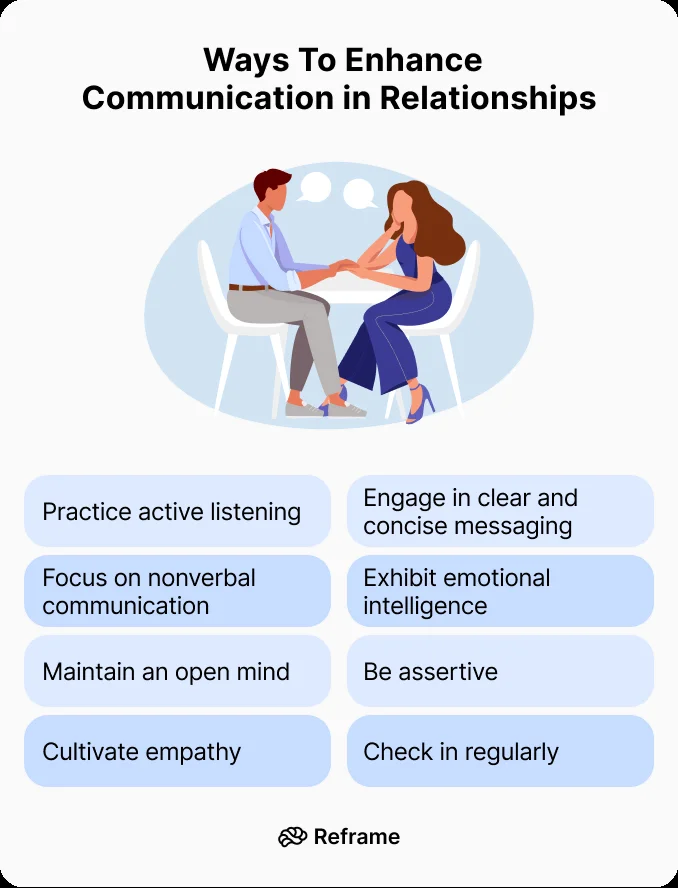
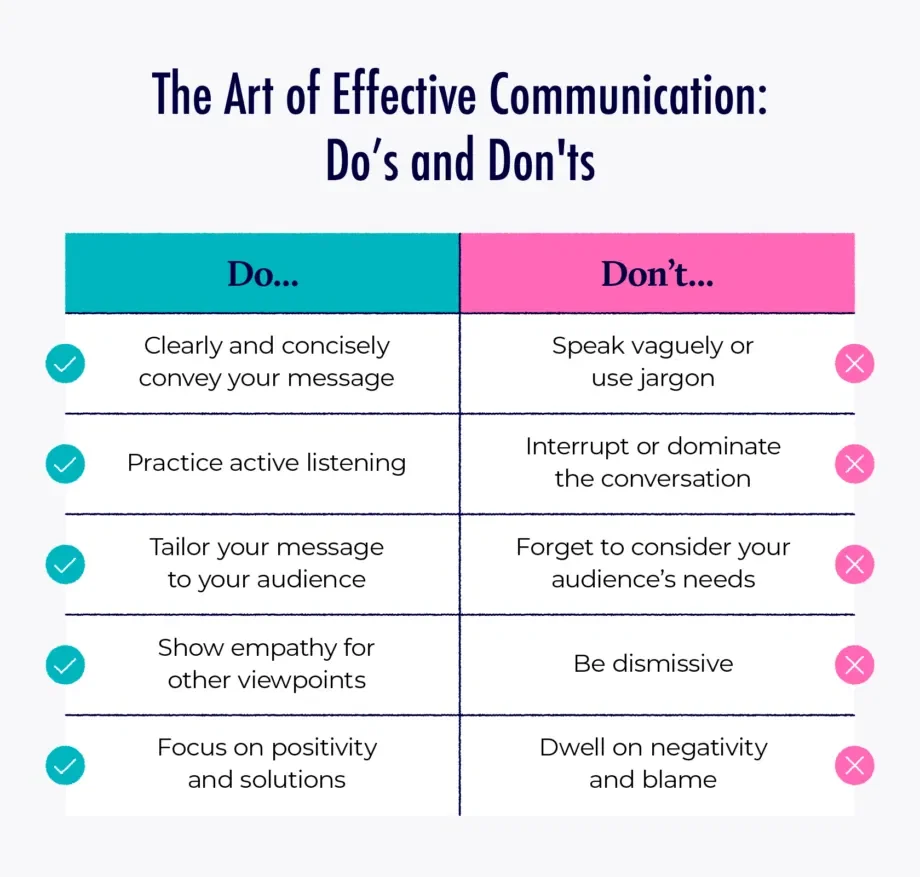
Effective communication is a two-way street, especially in digital exchanges. Active listening means fully focusing on what your friend is sharing, responding thoughtfully, and showing that their words matter. In virtual conversations, this might involve asking follow-up questions or reflecting on what was said to confirm understanding. Even without in-person cues, you can convey attentiveness by timely replies that keep the dialogue flowing naturally rather than defaulting to standard greetings like “Hi, how are you?” Starting with interesting or funny updates can immediately set a more engaging tone.
Expressing Vulnerability and Authenticity
Trust and intimacy deepen when friends are open about their true feelings. Sharing challenges, fears, or joys helps to weave a meaningful connection that transcends physical distance. Being authentic means not hiding difficult emotions or avoiding tough topics. Instead, addressing concerns gently and seek to understand each other’s perspectives strengthens the friendship over time. When communication feels stuck, taking the initiative to reach out first and expressing genuine care breaks down barriers and invites reciprocal openness.
Leveraging Technology for Meaningful Interactions
Choosing the Right Platforms
Technology offers numerous tools to facilitate connection, but selecting platforms that suit both friends’ preferences enhances the experience. Some may enjoy video calls for face-to-face interaction, while others find voice notes less anxiety-inducing and easier to fit into busy schedules. Messaging apps that allow sharing photos and daily moments help friends feel included in each other’s lives. Exploring apps that encourage casual, ongoing sharing creates a sense of involvement, making the friendship feel more tangible despite the miles apart.
Creative Digital Activities to Share
Beyond chatting, engaging in shared activities digitally can nurture the bond. For example, friends can watch the same TV shows or movies simultaneously and discuss them afterward, creating a virtual hangout experience. Cooking a new recipe together while video chatting or exchanging photos of meals can also spark connection. Developing a symbolic “friendship rope” or an “anchor” based on shared interests serves as a regular reminder of the friendship and motivates ongoing communication. These creative approaches help transform abstract connections into memorable, interactive moments.
Establishing Consistent Communication Habits
Setting Regular Check-In Times
Consistency is key to sustaining long-distance friendships. Agreeing on routine times to catch up—whether weekly calls, voice memos, or text updates—creates a dependable rhythm that both friends can look forward to. This predictability reassures both parties that the relationship is a priority despite differing schedules. It also reduces the pressure to respond immediately, fostering a relaxed atmosphere where quality conversation can take place.
Balancing Frequency and Quality of Contact
While regular interaction is important, the quality of communication often matters more than how often it happens. Some friends prefer frequent quick messages, while others value deeper, less frequent discussions. Accepting different reply speeds without frustration encourages patience and understanding. Focusing on being present during significant moments and celebrating milestones together strengthens the friendship more than constant messaging. Finding the right balance tailored to the nature of the friendship preserves both parties’ comfort and engagement.
Enhancing Emotional Connection Despite Distance
Sharing Personal Milestones and Daily Life
One way to bridge the emotional gap is by openly sharing life’s important events alongside everyday experiences. Sending photos of simple things or sharing stories through voice notes can make friends feel included in your world. Celebrating achievements, supporting through challenges, or even discussing small day-to-day moments maintains relevance and emotional closeness. Such exchanges reinforce the sense that you are part of each other’s lives, regardless of geographic separation.
The Role of Empathy in Long-Distance Friendships
Empathy forms the emotional foundation for enduring relationships. Recognizing and accepting a friend’s feelings—whether anxiety about the distance, sadness over lost moments, envy of proximity to others, or relief in maintaining connection—allows for compassionate dialogue. Honest conversations about these emotions without avoidance build trust. When friends understand each other’s emotional landscapes, they can navigate transitions, like visits or changes in communication frequency, with greater ease and mutual respect.
Real-Life Examples: Success Stories and Lessons Learned
Many long-distance friendships flourish through intentional communication strategies. For example, one friendship thrived by establishing weekly voice memo exchanges that shared both serious thoughts and everyday humor. This routine helped overcome initial discomfort with phone conversations and fostered a sense of presence. Another pair created a shared digital photo album documenting their lives, which kept them connected visually and sparked ongoing conversations about their experiences.
Conversely, some friendships experienced challenges when assumptions were made about each other’s willingness to maintain contact, leading to feelings of neglect. These situations were often resolved by honest talks about expectations and feelings, emphasizing the importance of clear communication. Such lessons highlight that while distance can complicate interactions, proactive and empathetic communication techniques not only sustain friendships but often deepen them beyond previous levels.