



















Understanding the Challenge: Peer Pressure in Teenage Years
What is Peer Pressure and How Does It Affect Teens?
Peer pressure is the influence exerted by a peer group to encourage individuals to change their attitudes, values, or behaviors in order to conform to group norms. During teenage years, this pressure can significantly impact decision-making and self-esteem. Teens may feel compelled to fit in, sometimes at the cost of their own preferences or values.
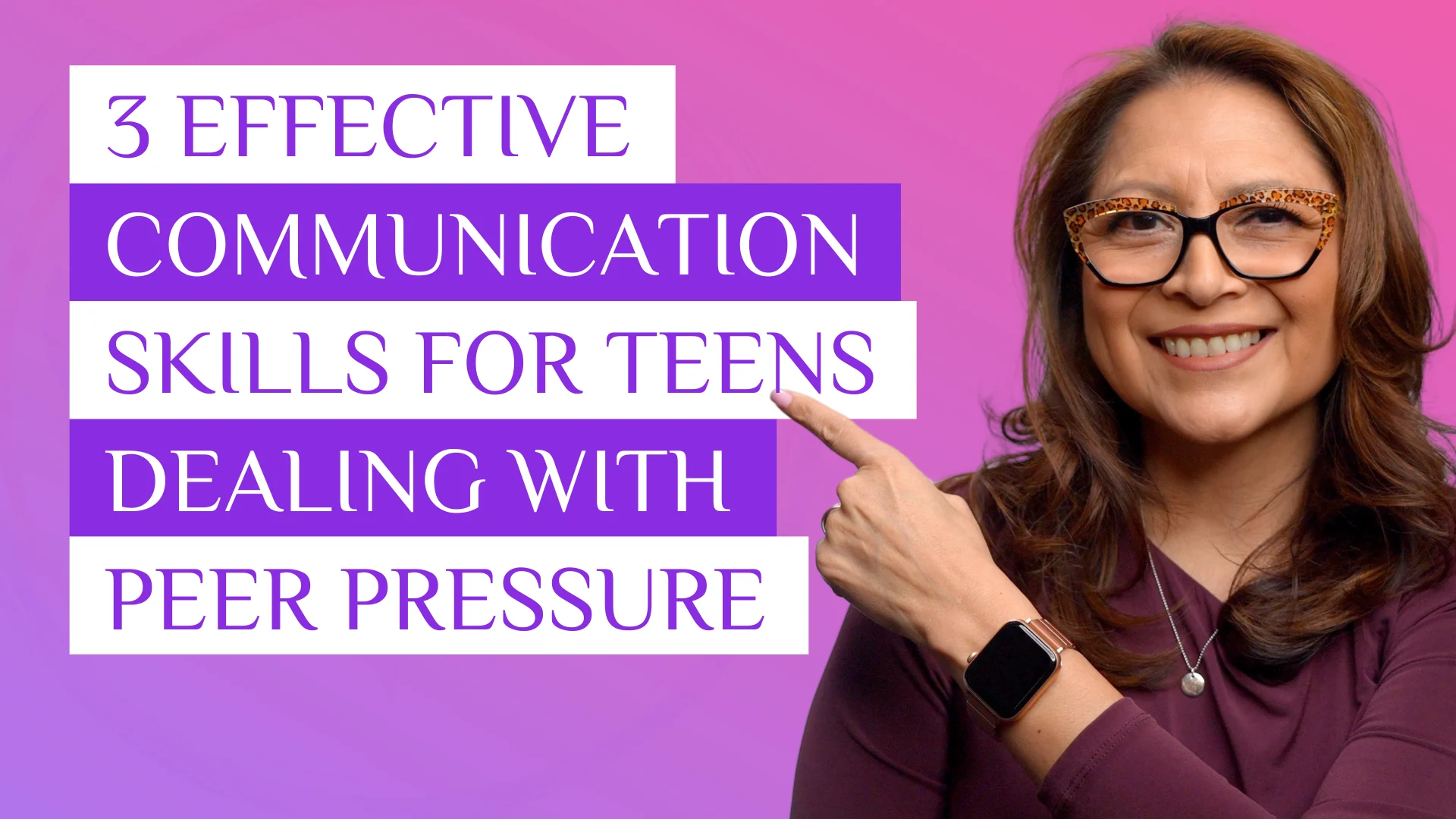
This influence is powerful because adolescents are developing their identity and seeking acceptance. Positive peer interactions can promote healthy growth, but negative pressure can lead to risky behaviors such as substance use or ignoring personal boundaries. Understanding how peer pressure operates is crucial for parents aiming to support their teens.
Common Scenarios Where Teens Face Peer Pressure
Teens encounter peer pressure in various daily settings, from school hallways to social media platforms. Pressure often arises around activities related to appearance, social events, and experimenting with new behaviors. For instance, a teen might feel pushed to try alcohol at a party or to dress a certain way to gain approval.
Other scenarios include decisions about academic effort, participation in extracurriculars, or responses to bullying. Recognizing these common situations helps parents identify moments when their teen may need guidance or reassurance.
Preparing Yourself: Foundations for Effective Communication
Building Trust and Openness with Your Teen
Creating a foundation of trust is essential before meaningful conversations can take place. Encourage openness by listening more than speaking, allowing your teen to express thoughts without fear of judgment. Reflecting their feelings shows understanding and validates their experiences.
Trust grows when teens feel safe sharing their challenges and successes. Small actions, such as asking for their opinion or for favors, demonstrate your confidence in their judgment. Thoughtfully explaining rules helps teens see boundaries as reasonable rather than arbitrary, fostering respect.
Recognizing Your Own Biases and Reactions
Self-awareness is a key step in effective communication. Parents should examine their own biases and emotional triggers. Reacting with anger or frustration can shut down dialogue and increase resistance. Instead, pausing conversations when emotions run high allows for calmer, more productive exchanges.
Understanding your values and how they influence your responses helps balance guidance with empathy. This awareness also prevents imposing rigid views that might alienate your teen or discourage openness.
Initiating the Conversation
Selecting the Right Time and Environment
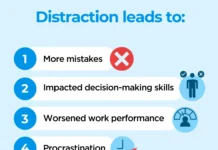
Choosing an appropriate moment is crucial for a successful conversation. Situations where distractions are minimal and privacy is ensured offer the best setting. Shared activities or family dinners provide natural opportunities for casual check-ins without pressure.
Avoid initiating important talks when your teen is stressed, tired, or distracted by devices. Setting rules, such as no phones during meals, encourages genuine interaction and focus.
Starting with Empathy and Active Listening
Begin conversations by expressing empathy and a genuine desire to understand your teen’s perspective. Active listening means giving full attention, acknowledging their feelings, and avoiding immediate judgment or advice. This approach builds rapport and fosters a sense of safety.
Encourage sharing by asking gentle questions and validating emotions. When teens feel heard and respected, they are more likely to open up about sensitive topics like peer pressure.
Step-by-Step Dialogue Techniques
Using Open-Ended Questions to Encourage Sharing
Instead of demanding specific answers, use open-ended questions that invite reflection and elaboration. Questions like “How do you feel about your friends’ choices?” or “What would you do if someone pressured you?” promote deeper thinking and honest responses.
This method reduces the sensation of being interrogated and makes conversations flow naturally. It also reveals your teen’s thought processes, allowing you to tailor your support effectively.
Teaching Decision-Making Skills Through Real-Life Examples
Helping teens develop sound decision-making means guiding them through realistic scenarios. Discussing hypothetical situations where they might face peer pressure allows them to practice reasoning and consequences without real-world risk.
Use stories from your own experiences or current events to illustrate good and bad choices. Encouraging your teen to weigh options, consider values, and predict outcomes fosters confidence in their judgment.
Empowering Your Teen to Handle Peer Pressure
Role-Playing Different Scenarios
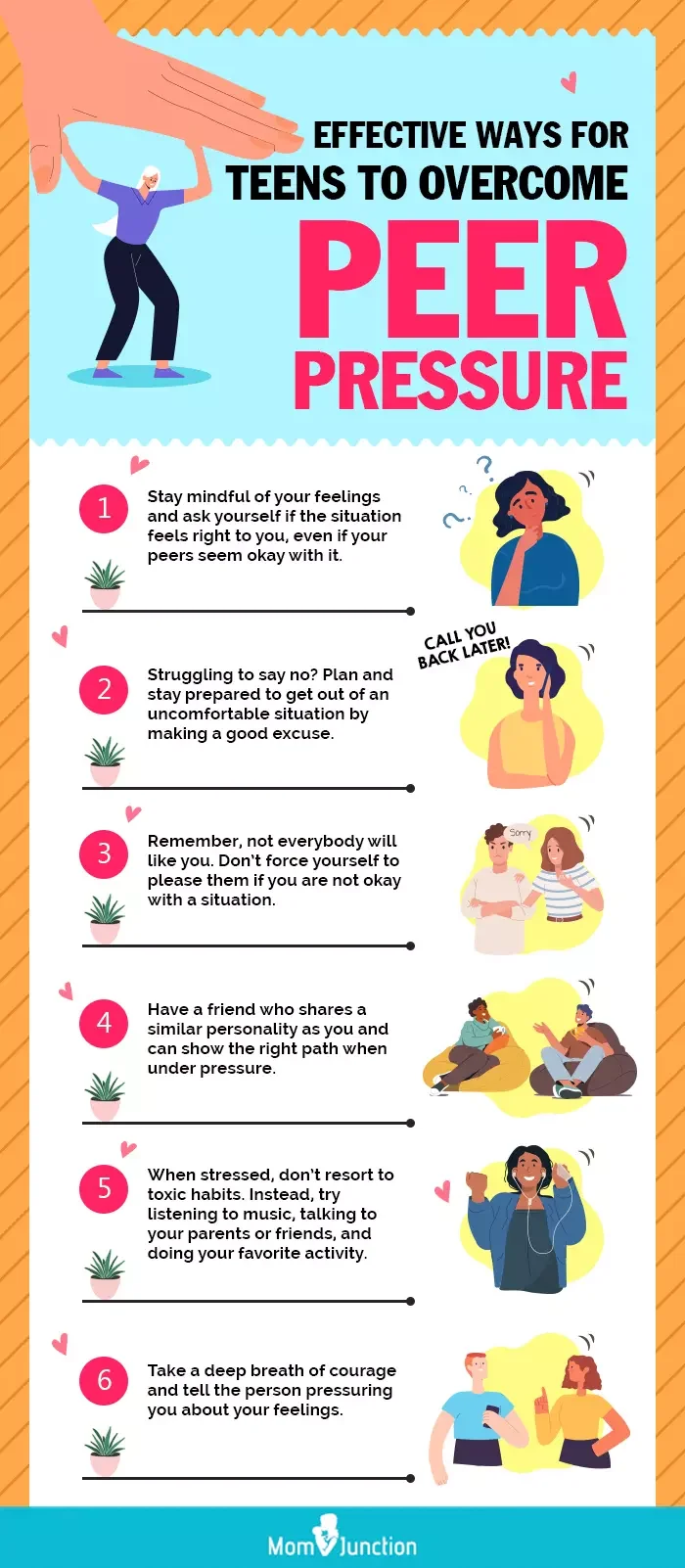
Role-playing is an effective tool to build resilience against peer pressure. Practicing how to say no, stand up for personal beliefs, or seek help develops communication skills and assertiveness.
Engage your teen in acting out situations they may encounter. This hands-on approach makes abstract advice concrete and prepares them emotionally for real interactions.
Encouraging Positive Friendships and Influences
Guide your teen toward friendships that support healthy behaviors and values. Positive peer groups reinforce good decision-making and reduce the risk of negative pressure.
Encourage involvement in clubs, sports, or volunteer activities where teens can connect with like-minded peers. Highlight the importance of trusted adults who can offer guidance and understanding.
Supporting Long-Term Growth
Continued Check-Ins and Discussing Challenges
Communication should be ongoing rather than a one-time event. Regular check-ins, even informal ones, keep the conversation open and responsive to new challenges your teen may face.
Monitor changes in mood or behavior as early signs of stress or negative influences. Addressing these promptly prevents escalation and shows your teen that support is consistent.
Celebrating Good Choices and Learning from Mistakes
Reinforce positive behaviors by acknowledging your teen’s efforts and achievements. Praise encourages repetition of good choices and boosts self-esteem.
When mistakes occur, approach them as learning opportunities. Discuss what happened without blame, focusing on solutions and growth. This balanced approach helps teens develop resilience and responsibility.