





















Understanding the Importance of a Morning Routine
How Morning Habits Affect Daily Energy
Imagine starting your day rushing out of bed, skipping breakfast, and rushing through tasks without a moment to breathe. Many people experience this chaos, leading to energy crashes by mid-morning. This happens because the body and mind lack the orderly start they need to function efficiently. A well-crafted morning routine sets the tone for energy flow throughout the day. Consistent habits in the morning help stabilize blood sugar levels, improve focus, and prepare your body to face daily challenges with renewed vigor.
The Psychology Behind Morning Consistency
Humans are creatures of habit, and our brains crave predictable patterns that reduce stress. When you wake up and follow the same series of actions, your brain associates these with alertness and readiness. Over time, this builds mental energy reserves. People who struggle to maintain consistency often feel overwhelmed by too many tasks or abrupt changes, which can lead to procrastination or fatigue. By understanding the psychological comfort in predictability, you can design habits that feel natural rather than forced, fostering a positive feedback loop of energy and motivation.
Key Components of an Effective Morning Routine
Physical Activities to Energize Your Body
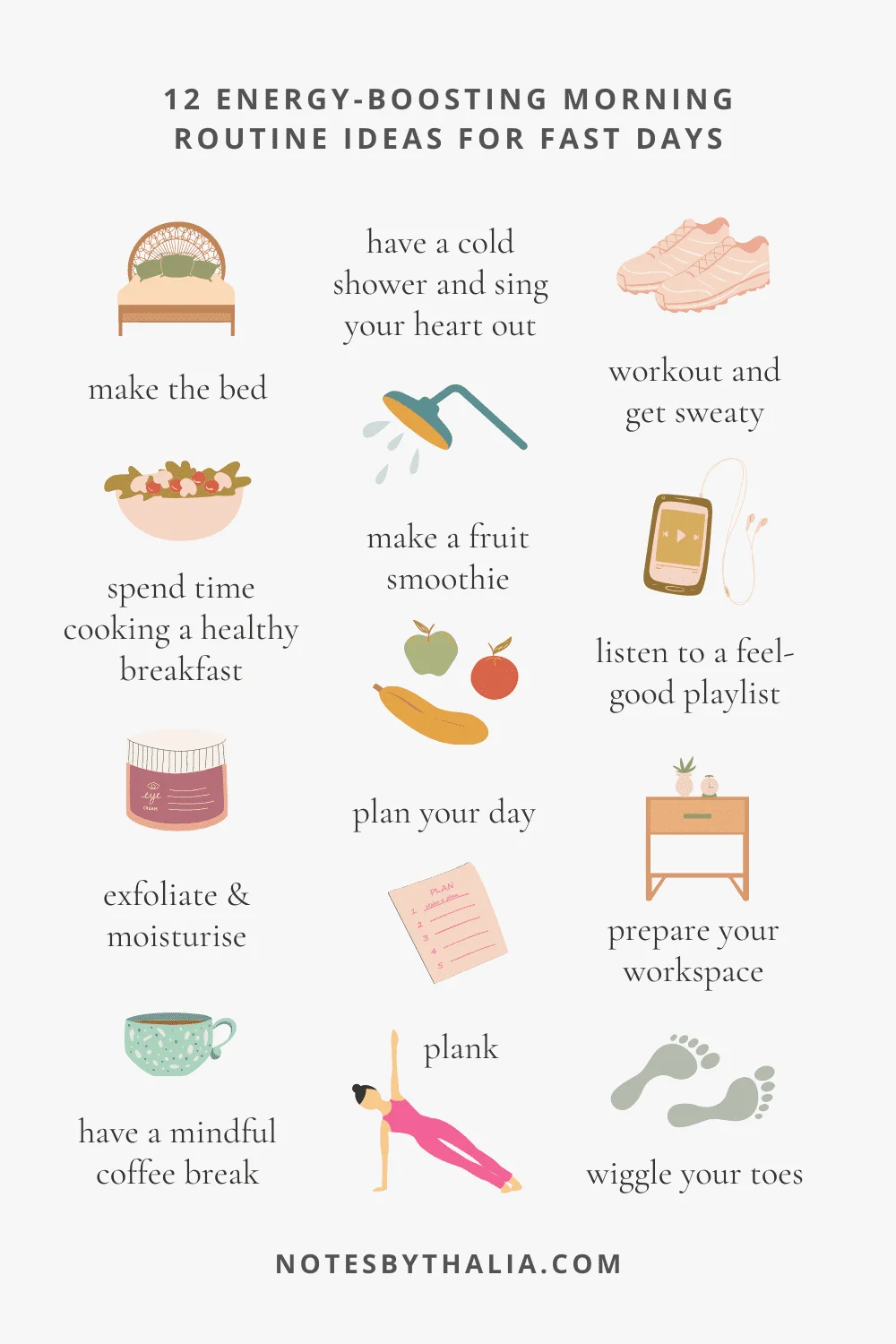
Consider Sarah, a busy marketing executive who found her energy plummeting by 10 a.m. She began incorporating a 10-minute walk around her neighborhood each morning. This small commitment offered fresh air, increased circulation, and a mental break from screen time, which together revitalized her. Morning physical activity need not be intense; even light stretches or walking can activate muscles and sharpen focus. Movement signals the brain to shift from rest to action, effectively jump-starting your daily energy.
Mental Practices for Focus and Motivation
On the mental front, simple practices like mindfulness or journaling can set a powerful tone. Take John, who starts his mornings with five minutes of gratitude journaling, listing three things he looks forward to each day. This practice tunes his brain toward positivity and purpose. Another effective technique is setting daily intentions—clearly outlining what you want to accomplish primes your brain and maintains motivation. These mental rituals help filter distractions and promote sustained energy.
Nutritional Choices That Enhance Energy
Nutrition plays a critical role in morning energy levels. Think of Emily, who used to skip breakfast or eat heavy pastries, only to feel sluggish for hours. She shifted to quick, balanced meals like yogurt with fruit or whole-grain toast with peanut butter. Choosing breakfast recipes that are easy, enjoyable, and quick to prepare helps maintain consistency without creating morning stress. Small switches, such as swapping sugary drinks for water or herbal tea, also prevent mid-morning energy dips.
Step-by-Step Guide to Creating Your Personalized Morning Routine
Assessing Your Current Morning Habits
Start by observing your current mornings without judgment. Are you waking up feeling rushed? What tasks consume the most time? For example, Mike realized his morning was dominated by checking emails, leaving little time for self-care. Tracking habits for several days can reveal which activities drain your energy and which support it. This honest assessment forms the foundation for meaningful changes.
Setting Realistic and Achievable Goals
Diving into an hour-long workout when you’re used to none can feel discouraging. Instead, set small, measurable goals like adding a 5-minute stretch or preparing breakfast the night before. When Linda wanted to exercise, she started by committing to two days a week, gradually building consistency. Realistic objectives maintain motivation and prevent burnout, making your routine sustainable.
Designing a Balanced Routine to Suit Your Lifestyle
Your routine should fit your unique lifestyle. If mornings are hectic due to family responsibilities, integrate activities that can be done together, such as a brief walk with kids or shared breakfast preparation. Alex, a parent of three, found that syncing his physical activity with his children’s morning playtime brought both energy and connection. Prioritize essential actions and feel free to simplify. For example, if full meditation feels too long, try a 2-3 minute breathing exercise instead.
Tools and Apps to Support Your Routine Development
Technology can provide gentle reminders and track progress. Apps like habit trackers or simple alarms can help you stay on course. For instance, Maya uses a smartphone alarm labeled “Morning Walk” alongside a podcast she enjoys, providing both a prompt and motivation. Experiment with tools that encourage rather than overwhelm, allowing you to focus on building habits organically.
Overcoming Common Challenges in Maintaining Consistency
Dealing with Motivation Slumps
Even the most committed individuals face days when motivation wanes. Recognize this as part of the journey rather than failure. During such moments, reverting to the simplest action—such as drinking a glass of water or taking one deep breath—can be enough to restart momentum. Sometimes, shifting your perspective from perfection to progress encourages persistence. For example, after a hectic week, Rosa allowed herself a lighter morning routine before gradually returning to her full practice.
Adjusting Your Routine for Busy or Unpredictable Days
Life’s unpredictability demands flexibility. When emergencies or extra workload arise, adapt your routine rather than abandoning it. Mark, a freelance designer, keeps a “short version” of his morning: a quick stretch, a nutritious snack, and five minutes of focused breathing. This ensures he still reaps energy benefits even on packed days. Planning alternatives allows you to honor your intentions without adding stress.
Measuring the Impact of Your Morning Routine on Energy Levels
Tracking Energy Fluctuations and Productivity
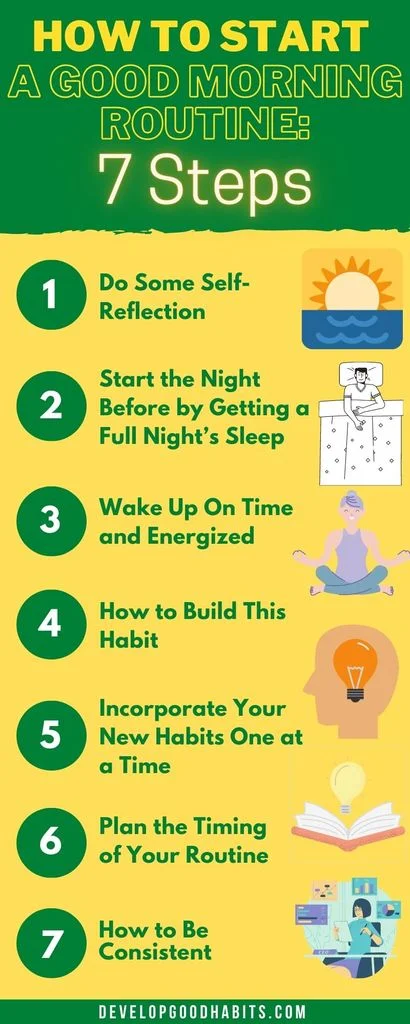
A practical way to gauge your routine’s effectiveness is by noting energy patterns throughout the day. Keeping a journal or using an app to rate your energy every few hours can reveal helpful insights. For example, after implementing morning walks and a consistent breakfast, Ethan noted fewer afternoon slumps and improved concentration. This real-time feedback informs adjustments and reinforces positive habits.
Refining Your Routine Based on Feedback
As you gather data, you may find certain components more beneficial than others. Maybe the mental exercises boost your focus but the timing of breakfast needs tweaking. Anna discovered that moving her walk earlier added more energy than a post-breakfast stroll. Continuous refinement tailored to your responses ensures lasting improvements and avoids stagnation.
The Role of Sleep in Morning Energy
Establishing a Nighttime Routine to Complement Your Mornings
Morning energy is intrinsically linked to sleep quality. Cultivating a welcoming nighttime routine can have a profound effect. For example, turning off screens an hour before bedtime and engaging in calming activities like light reading or gentle stretches helps ease the transition to restful sleep. Gradually adding 15-30 minutes of sleep when possible, as long as quality is maintained, can recharge energy reserves. Additionally, limiting caffeine to earlier in the day and moderating alcohol intake supports smoother mornings. Together, these practices create a holistic cycle that nurtures energy from night to day.
Conclusion: Long-Term Benefits of Consistent Morning Routines
Building a consistent morning routine is more than just a checklist; it’s a transformative lifestyle choice that enhances daily energy and well-being. Through deliberate habits, you create a foundation for sustained focus, physical vitality, and mental clarity. As illustrated by real-world examples, the key lies in personalization, flexibility, and gradual progress. Over time, these morning rituals become shields against fatigue and catalysts for productivity, empowering you to navigate each day with renewed energy and confidence.