



















Introduction to Keto Meal Prepping
Understanding the Basics of Keto Diet
The ketogenic diet emphasizes low carbohydrate intake combined with moderate protein and high fat consumption. This approach encourages the body to enter ketosis, burning fat for energy instead of sugars. By significantly reducing carbs and replacing them with fats, keto helps regulate blood sugar and promote weight loss.
Meal prepping keto-friendly lunches requires an understanding of these macro ratios so you can plan meals that align with these dietary goals without sacrificing flavor or fullness.
Benefits of Meal Prepping for Keto
Meal prepping offers convenience, reduces daily stress, and supports consistent adherence to the keto plan. Preparing lunches ahead ensures you avoid impulsive, carb-heavy choices and stay within your macros. It also saves time during the week, allowing you to devote more energy to your daily tasks.
Additionally, portioning meals properly helps maintain optimal nutrient balance and prevent overeating. Efficient meal prepping keeps food fresh and appetizing, which is crucial to sustaining a healthy eating routine.
Planning Your Weekly Keto Lunches
Selecting Keto-Friendly Ingredients
Start by choosing ingredients low in carbohydrates yet rich in fats and proteins. Vegetables like spinach, broccoli, and bell peppers provide fiber and essential vitamins without spiking carb counts. Proteins such as chicken breasts, turkey sausage, and omega-3 rich fish like salmon offer sustaining energy and promote muscle maintenance.
Incorporate healthy fats from sources like avocado, olive oil, and nuts. Low-carb fruits such as blackberries and raspberries can add natural sweetness and antioxidants. Selecting a diverse range of ingredients enhances variety and micronutrient intake throughout the week.
Balancing Macronutrients for Optimal Results
Maintaining the right macronutrient balance means each meal should have adequate fats, moderate protein, and minimal carbs. Focus on filling about 70-75% of your plate with fats, 20-25% with protein, and limiting carbs to 5-10%. This ratio supports sustained ketosis and energy levels.
When planning, consider how different foods fit into these percentages. Use oils generously in cooking, and opt for lean meats combined with fatty components like cheese, nuts, or avocado. This balance helps manage hunger and keep your metabolism aligned with keto objectives.
Step-by-Step Guide to Meal Prepping
Batch Cooking Proteins and Vegetables
Begin your meal prep by batch cooking protein sources. Roast chicken breasts, grill fish, or prepare pulled pork in one go. Vegetables such as asparagus, zucchini, or Brussels sprouts can be roasted or sautéed simultaneously. Hard boiling eggs ahead provides a quick protein snack or salad add-on.
Cooking everything in batches maximizes kitchen efficiency and ensures each component is ready for assembly. Cooking proteins and vegetables thoroughly but avoiding overcooking maintains their texture and nutritional value throughout the week.
Portioning and Packaging for Freshness
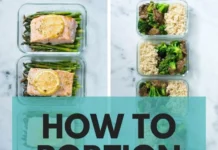
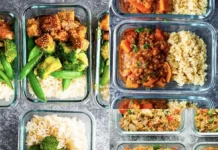
Once cooked, divide your meals into individual portions. Use airtight containers to preserve freshness and prevent cross-flavors. Label each container with the meal name and preparation date to track freshness. Having meals pre-portioned reduces the temptation of overeating and simplifies grab-and-go lunches.
For salads or dishes with sauces, consider storing dressings separately until serving to avoid sogginess. Ensuring proper cooling before sealing containers prevents condensation, which can negatively affect meal quality.
Storage Tips to Keep Keto Lunches Fresh
Optimal Containers and Labeling
Use BPA-free plastic or glass containers with tight-fitting lids. Glass containers are stain-resistant and retain flavors better, while plastic offers lightweight convenience. Clear containers allow you to easily identify contents, but labeling with preparation date helps avoid confusion.
Labels help you consume food within its optimal time and minimize waste. For additional safety, mark ingredients in case of allergies or preferences among household members to avoid accidental consumption.
Refrigeration vs Freezing Strategies
Most keto lunches stay fresh refrigerated for three to four days. For longer storage, freezing is a better option. Cooked meats, vegetables, and prepared dishes freeze well but may slightly alter texture upon thawing. Separate meals intended for freezing immediately after cooling.
When freezing, portion meals individually and defrost overnight in the fridge. Avoid repeated freezing and thawing to maintain flavor and safety. Keep salads or items with fresh herbs refrigerated and consume quickly to preserve crispness.
Creative Keto Lunch Ideas for Variety
Salads, Wraps, and Bowls
Combine fresh greens with grilled proteins and healthy fats to create salads that are both filling and delicious. Lettuce wraps filled with keto egg salad or pulled pork offer portable, low-carb alternatives. Bowls featuring a base of roasted vegetables, topped with avocado and nuts, can be flavored with diverse seasonings ranging from Thai to Italian spices.
Changing flavor profiles regularly keeps meals interesting and prevents diet fatigue. Using herbs, spices, and different oil blends enhances taste without adding carbs.
Quick Keto Snacks to Include
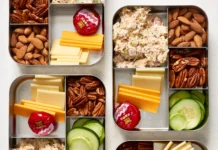
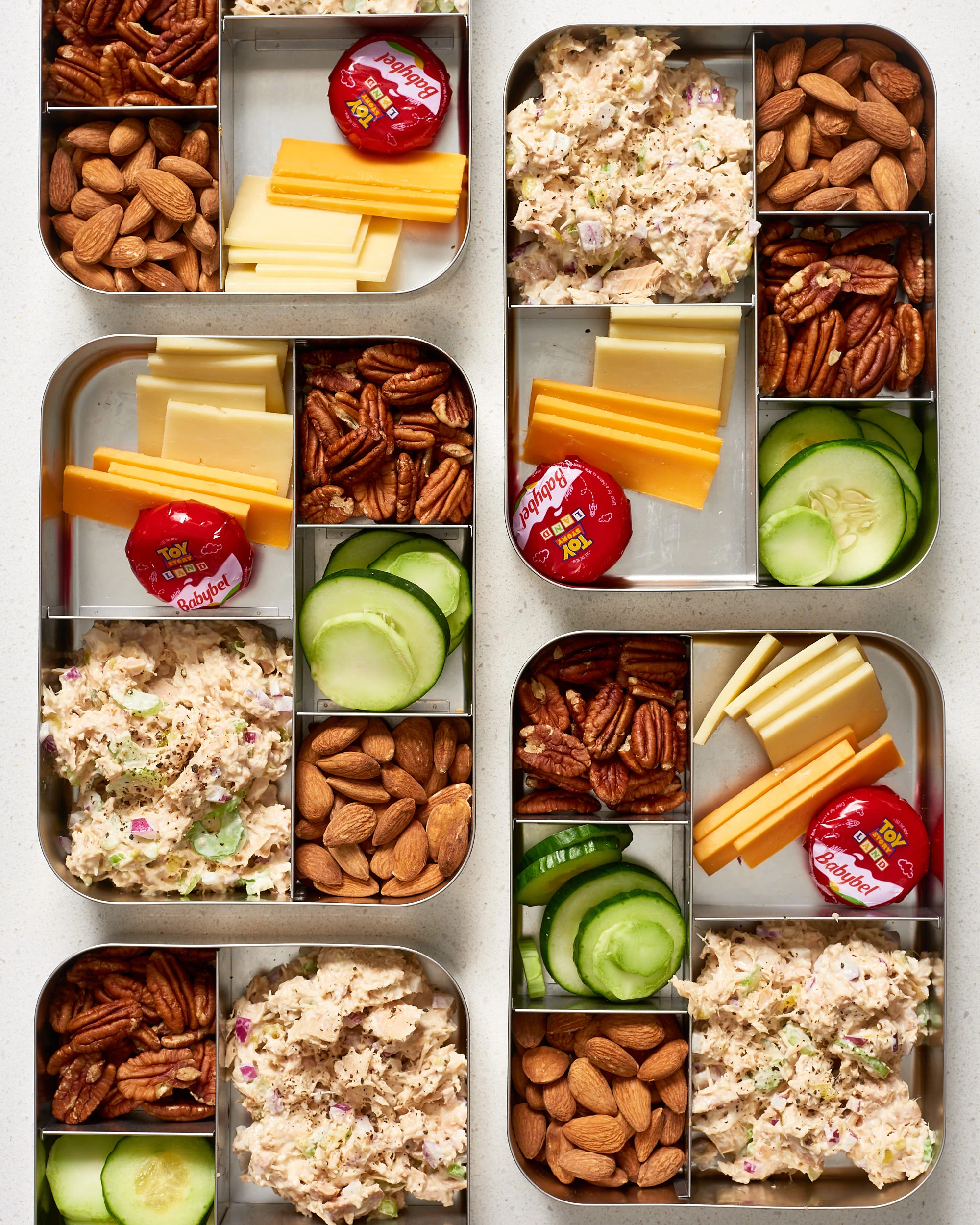
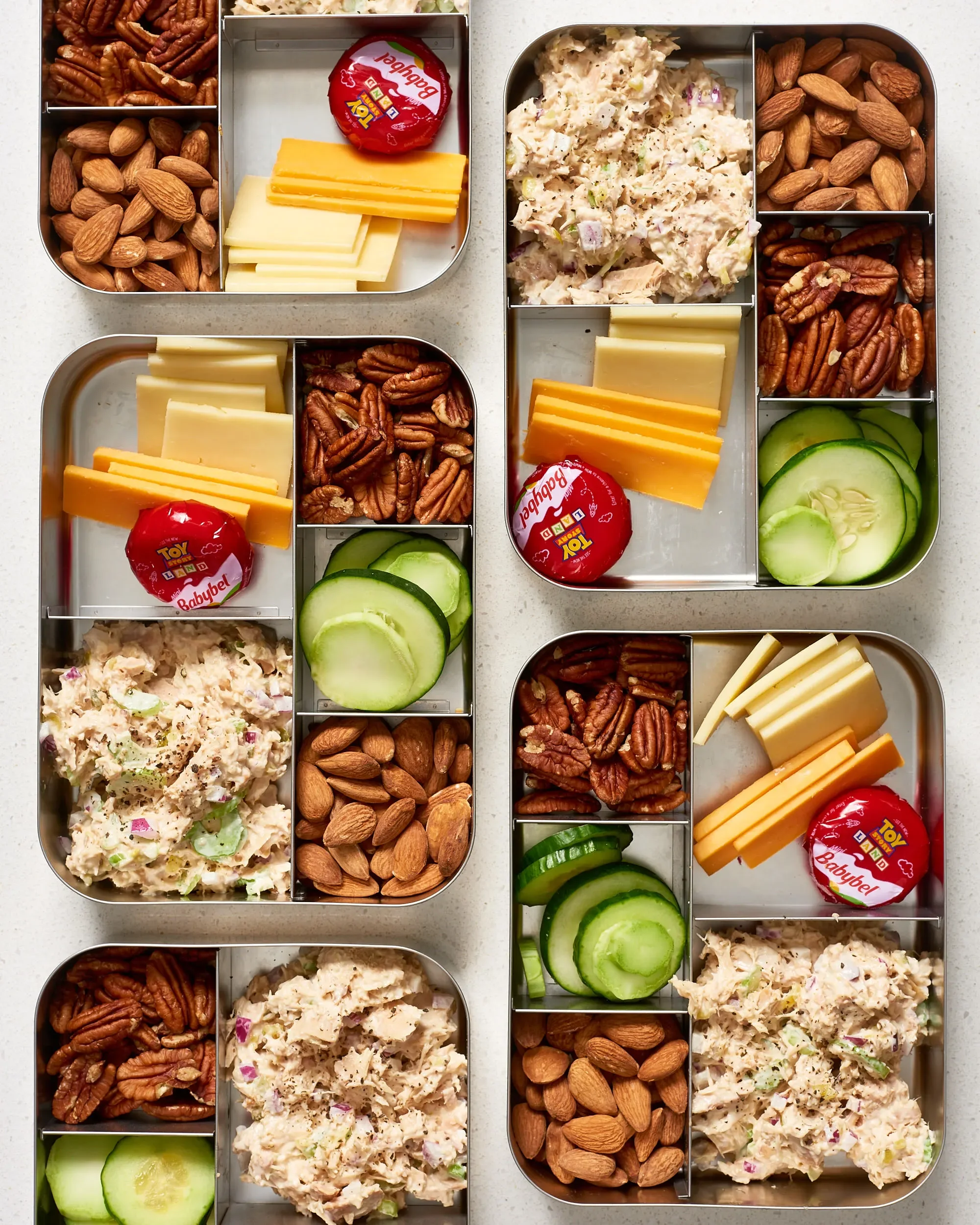
Supplement lunches with snacks like nuts, seeds, cheese, or low-carb fruits such as blackberries or strawberries. These provide additional energy between meals and satisfy cravings. Incorporate keto-friendly desserts occasionally for variety, mindful of portion sizes.
Choosing nutrient-dense snacks supports your daily macros while offering texture and flavor contrasts to your primary meals.
Maintaining Taste and Texture Throughout the Week
Using Dressings and Sauces Smartly
Dressings made with olive oil, avocado oil, or coconut oil add flavor and healthy fats. Keep these separate until ready to eat to avoid sogginess in salads or wraps. Homemade sauces without added sugars or starches fit keto requirements and improve meal palatability.
Experiment with spicy, tangy, or creamy dressings to vary meal enjoyment. Using fresh herbs like cilantro or basil can also refresh dishes without extra carbs.
Reheating Techniques that Preserve Quality
Reheat cooked keto meals gently to maintain texture and flavor. Use microwave settings on low or medium heat, or rewarm on the stovetop with a splash of broth or oil to prevent drying out. Avoid overheating proteins, which can become tough.
For meals with crispy elements, reheat briefly in a skillet or oven to restore crunch. Proper reheating techniques ensure meals stay appetizing, encouraging consistent keto adherence.