








Understanding the Basics of Freezing Prepped Meals
Why Freeze Meals? Benefits and Considerations
Freezing prepped meals is an excellent way to save time and reduce food waste by allowing you to cook in bulk and store for future use. Unlike traditional meal prepping where food is refrigerated for a short time, freezing extends the shelf life of your dishes significantly, often for several months. This means fewer trips to the grocery store and the convenience of ready-made meals on busy days. However, while freezing is versatile, not all foods maintain their texture or flavor equally well. Understanding these nuances helps ensure you enjoy your meals even after storage.
Types of Meals Best Suited for Freezing
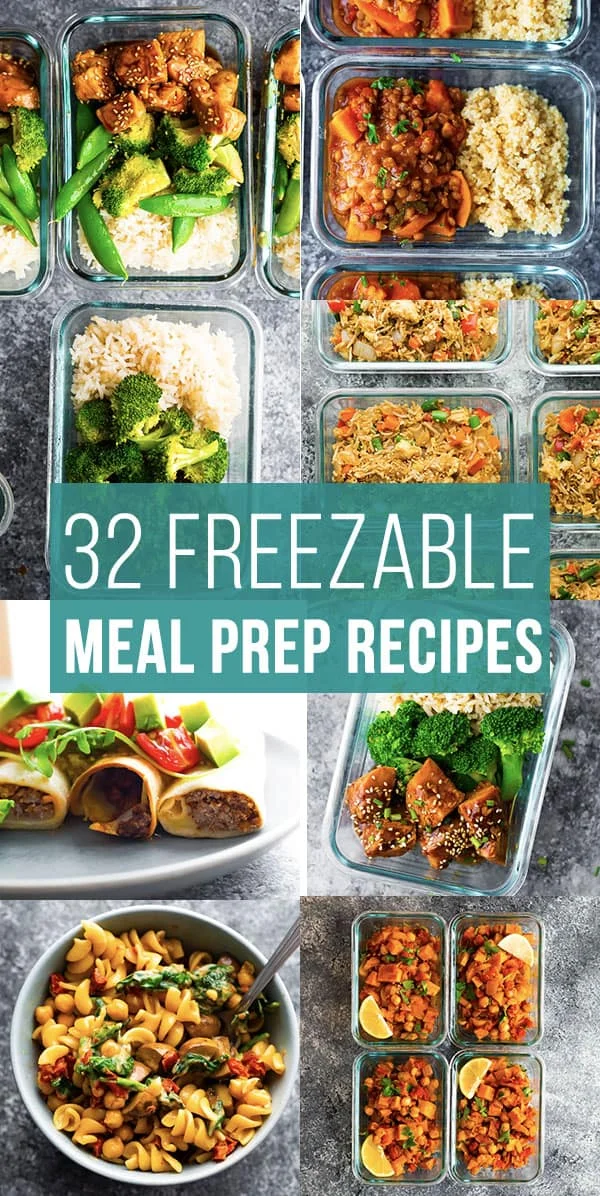
Most meals can be frozen successfully with a few exceptions, such as eggs in their shells and canned products. Dishes like stocks, soups (avoiding noodles or cream), sauces without cream, stews, and baked goods including muffins and breads tend to freeze well. It’s also smart to consider meals that suit your lifestyle, such as breakfast sandwiches or burritos with cooked eggs for quick morning options. Additionally, when freezing pasta dishes, it’s helpful to slightly undercook pasta so it won’t become mushy after reheating.
Essential Freezing Equipment and Storage Containers
Having the right equipment is key for effective freezing. Invest in freezer-safe containers and thick plastic zip lock bags that protect food from freezer burn. Vacuum sealers significantly improve preservation by removing air and keeping contents fresh longer. Other helpful supplies include labels and permanent markers to date meals and track freshness. For baking and freezing casseroles, lining dishes with tin foil or parchment paper helps you lift the food out easily before storing. Good organization tools and proper supplies streamline the freezing process and keep your freezer neat.
Planning Your Meal Prep Before Freezing
Choosing Recipes That Freeze Well
Planning starts with selecting suitable recipes. Focus on dishes that hold their flavor and texture after freezing and reheating. Consider meals that share common ingredients to use your groceries efficiently and reduce waste—for example, batches of soups, stews, or baked oatmeal made from seasonal produce. Think about how you’ll use the food later on: freezing individual portions or full meals can make a big difference in convenience. Planning with an eye to your freezer’s capacity and your personal taste preferences sets you up for success.
Portion Control: How Much to Prepare and Freeze
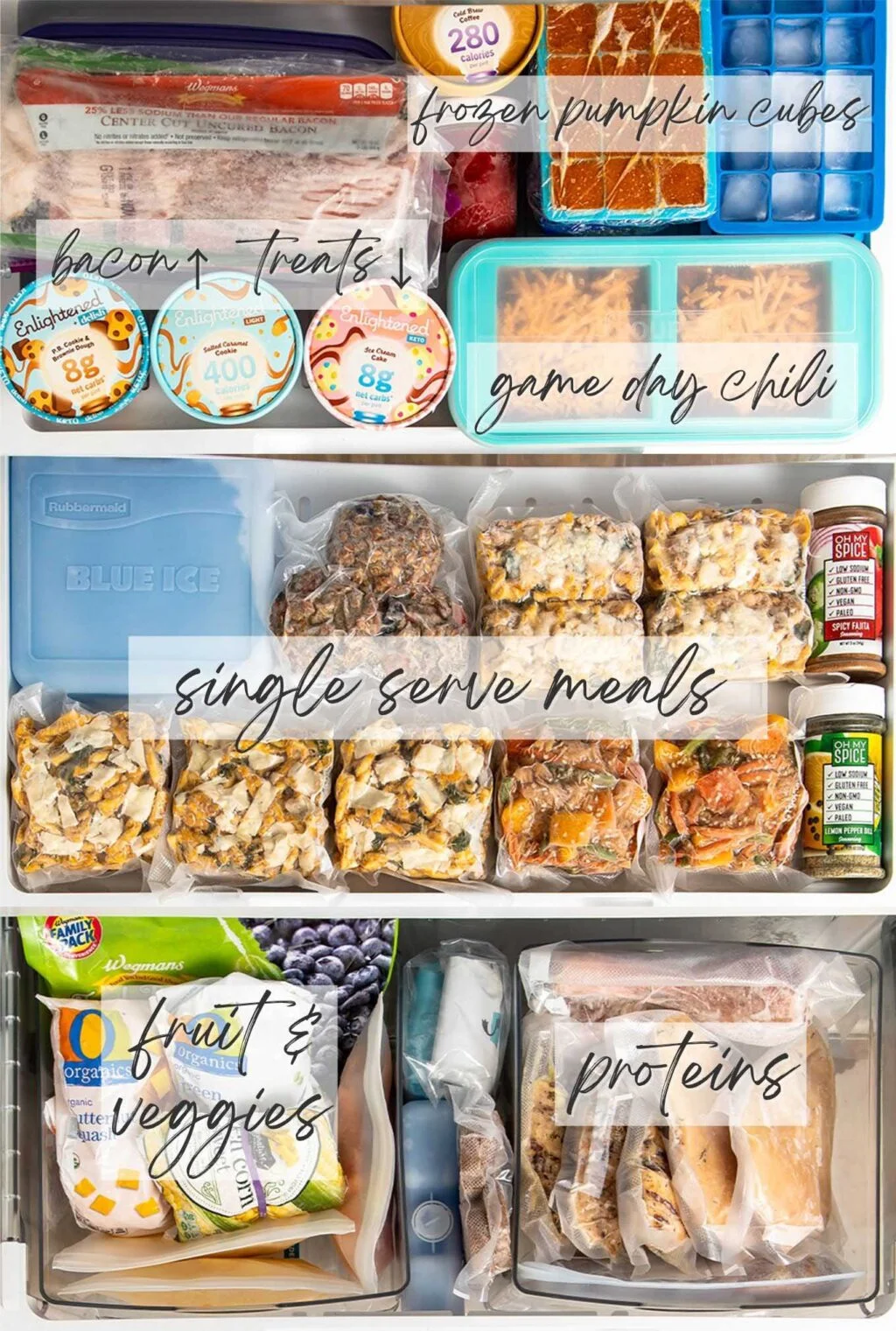
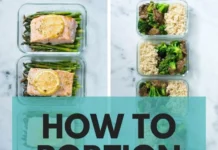
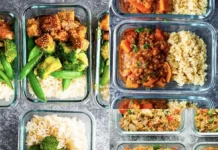
Deciding on portion sizes beforehand allows you to freeze appropriate amounts, which speeds thawing and reduces waste. For single-person households, freezing individual servings is ideal, letting you defrost exactly what you need. For families, preparing portions based on typical meal sizes can save time during busy evenings. Keep in mind that some foods expand after freezing, so leave a little space at the top of containers to avoid spills. Thoughtful portioning improves your overall meal prep experience and limits food loss.
Labeling and Organizing for Easy Access
Proper labeling is a simple but essential habit. Writing the name of the meal and the date it was frozen on each container helps you track how long items have been stored and prevents old food from lingering in your freezer indefinitely. Organize meals by type or date to easily find what you need without rummaging. Create zones in your freezer for different categories like breakfasts, mains, and sides. Clear labeling and organization save time and reduce stress when selecting meals later.
Step-by-Step Process for Freezing Meals
Proper Cooking Techniques to Preserve Flavor and Texture
Begin meal prep by cooking with an eye toward how freezing affects texture and taste. For instance, slightly undercooking pasta or vegetables prevents mushiness after reheating. Avoid adding cream-based ingredients before freezing since these can separate or curdle; instead, add them after thawing if possible. Cook foods just enough to bring out flavors but keep textures intact, considering that reheating will continue the cooking process. These thoughtful adjustments ensure your dishes remain enjoyable after freezing.
Cooling Meals Safely Before Freezing
Allow meals to cool completely before placing them in the freezer. Hot food creates condensation inside containers, which leads to ice crystals and freezer burn. Rapid cooling helps maintain meal quality, so divide large batches into smaller portions and spread out on trays if needed. Refrigerate food initially if you plan to freeze later within a few hours. Patience during this step is crucial to preserving the best taste and texture for your frozen meals.
Packaging Tips to Avoid Freezer Burn
Packaging plays a vital role in protecting food while frozen. Use containers or bags specially designed to withstand low temperatures. Remove as much air as possible; vacuum sealing is ideal for this purpose but pressing air out of zip lock bags also works. Seal containers tightly and consider double wrapping for extra protection. Leaving minimal empty space inside prevents freezer burn, which can dry out or toughen your meals. Proper packaging maximizes freshness and extends storage life.
Effective Freezing Methods and Temperature Settings
Set your freezer to 0°F (-18°C) or lower to safely store meals for months. Place newly frozen items in the coldest part of the freezer to ensure rapid freezing. Avoid stacking containers immediately after placing them in the freezer so cold air circulates evenly around food. Spread meals out on a single layer first, then stack once fully frozen to preserve structure. Consistent temperature and efficient freezing practices maintain optimal texture and flavor during storage.
Defrosting and Reheating Frozen Prepped Meals
Safe Defrosting Practices: Refrigerator vs. Microwave
Thaw frozen meals safely by transferring them to the refrigerator overnight, allowing gradual and even defrosting. This method maintains food safety and texture better than quick defrosting at room temperature, which risks bacterial growth. If you’re short on time, microwave defrosting is acceptable but requires careful monitoring to avoid partially cooking the meal. Always plan ahead when possible to use refrigerator thawing for the best results.
Reheating Tips to Maintain Meal Quality
When reheating, use gentle heat settings to preserve moisture and prevent overcooking. Cover meals with lids or microwave-safe wraps to trap steam, enhancing juiciness. Stir soups or casseroles halfway through reheating to distribute heat evenly. Avoid overheating, as this can toughen proteins or dry out starches. Adding a splash of water or broth before reheating can help restore moisture lost during freezing. These tips help you enjoy your prepped meals as if freshly made.
Common Mistakes and Troubleshooting
Signs of Poor Freezing and How to Avoid Them
Freezer burn, loss of flavor, and changes in texture are common signs of poor freezing. Freezer burn appears as dry, discolored spots caused by exposure to air. Avoid this by ensuring airtight packaging and removing excess air. If meals lose their taste, it may be due to improper cooling before freezing or long storage times. Also, avoid freezing foods not suited for cold storage like eggs in shells or cream-based dishes. Being mindful of these pitfalls improves your freezing success.
How to Rescue Meals That Didn’t Freeze Well
If you notice texture changes or dryness after thawing, try transforming the meal before serving. Soups can be blended and used as bases for new dishes, while dry casseroles might be moistened with sauce or broth when reheated. Incorporate frozen fruits into smoothies or baked goods if their texture suffers. Creative use helps salvage meals and reduces waste. Additionally, adjusting your freezing and thawing routines based on experience will yield better results over time.