














Understanding Portion Control and Its Importance in Weight Management
Defining Portion Control
Portion control involves managing the amount of food you consume during each meal or snack. It is not just about restricting quantities arbitrarily, but about being mindful of serving sizes that align with your nutritional and caloric needs. Proper portion control helps you avoid overeating and ensures that you receive the right balance of nutrients to sustain your health and energy levels.
How Portion Control Affects Weight Management
Weight management depends largely on balancing calories consumed with calories burned. Even healthy foods can lead to weight gain if eaten in excessive amounts. Portion control helps regulate calorie intake by providing a practical way to monitor servings. By eating appropriate portions, you reduce the risk of accumulating excess calories, which can make losing or maintaining weight more manageable and sustainable over time.
Common Portion Control Mistakes
Many people struggle with portion control because they underestimate serving sizes or ignore hunger and fullness cues. Common mistakes include eating directly from large packages without measuring, misreading food labels, or assuming that a larger portion equals better nutrition or satiety. Additionally, emotional eating and distracted meals often lead to unintended overeating, undermining weight management goals.
Preparing to Implement Portion Control in Meal Prep
Setting Realistic Goals for Weight Management
Before starting portion control, it’s essential to define clear and achievable weight management goals. These goals could range from modest weight loss to maintaining a healthy weight or improving overall nutrition. Realistic objectives help create a sustainable approach to meal prep and avoid frustration that comes from setting unattainable targets. Proper goal-setting also encourages consistency in practicing portion control.
Essential Tools and Containers for Portioning
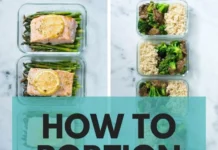
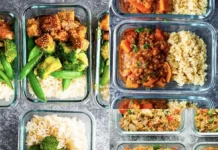
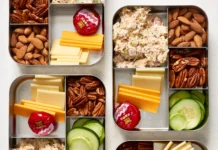
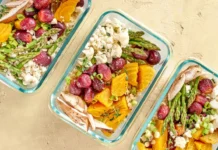
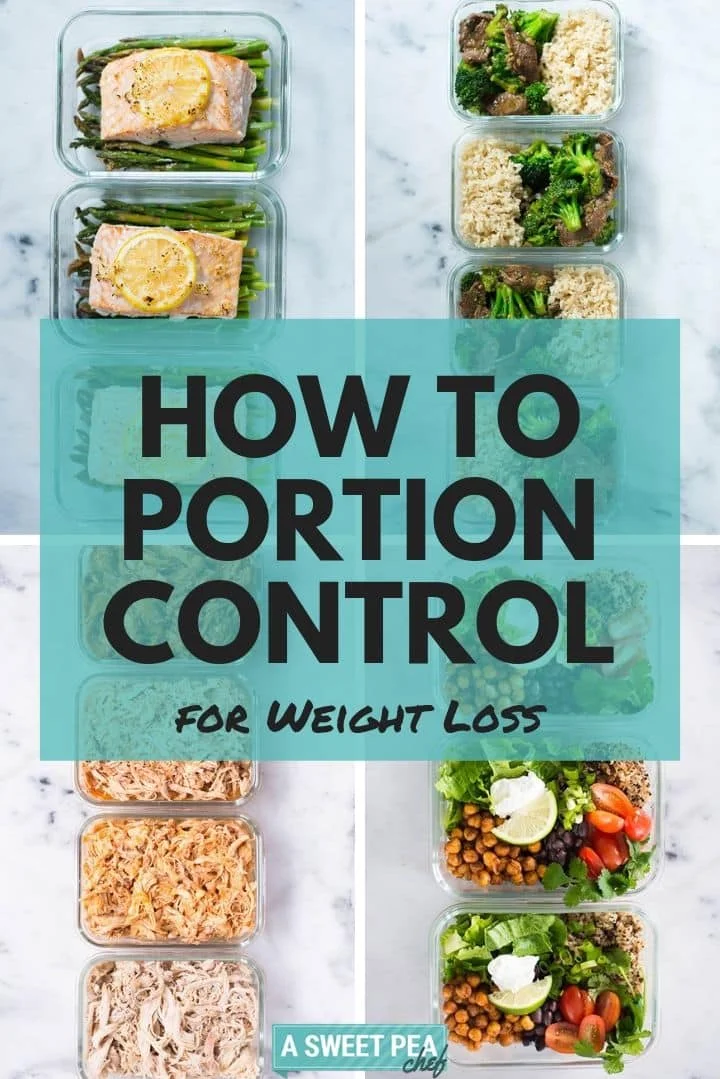
Using the right tools simplifies portion control, especially during meal prep. Standard measuring cups, food scales, and portioned containers can guide accurate meal division. Portion-controlled containers designed with multiple compartments or pre-measured sections help keep foods organized and ensure that servings meet your dietary requirements. Having these tools readily available reduces guesswork and supports adherence to your portion control plan.
Choosing Nutrient-Dense Ingredients
Selecting the right ingredients is vital for portion control success. Nutrient-dense foods like vegetables, lean proteins, whole grains, and healthy fats provide essential vitamins and minerals without excessive calories. Prioritizing these foods means you can eat satisfying portions that support fullness and metabolism. Avoiding highly processed and calorie-dense items helps prevent unintentional overeating and promotes overall health.
Step-by-Step Approach to Portion Control in Meal Prep
Step 1: Calculating Your Daily Caloric and Macronutrient Needs
The first step is to determine your individual calorie needs based on factors like age, gender, activity level, and weight goals. Understanding your target caloric intake helps tailor meal portions appropriately. Additionally, breaking down these calories into macronutrients—proteins, carbohydrates, and fats—provides a blueprint for balanced meals that support weight management while keeping you energized throughout the day.
Step 2: Selecting Balanced Meals with Appropriate Portions
With your calorie and macronutrient goals in place, choose meals that meet those nutritional profiles. Aim for balanced plates with controlled portions of protein, vegetables, carbohydrates, and healthy fats. For example, a proper protein portion should be about the size of your palm, while vegetables can be served in cup-sized measures or more to increase volume without many calories. Balancing meals this way ensures you meet nutritional needs and feel satiated.
Step 3: Measuring and Dividing Food Accurately
Accurate measurement is critical to consistent portion control. Use food scales or measuring cups to divide ingredients into servings based on your plan. Visual cues such as comparing portions to common objects—like a deck of cards for protein or a tennis ball for fruit—can assist when tools are unavailable. Taking the time to portion meals precisely during prep helps prevent overeating later and builds better awareness of serving sizes.
Step 4: Storing Pre-Portioned Meals for Convenience
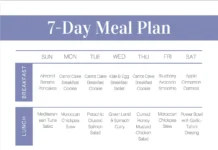
Once meals are portioned, store them in containers that maintain freshness and facilitate easy access throughout the week. Labeling each container with portion details or meal times can help you stay on track. Having ready-to-eat, pre-portioned meals reduces the temptation to overserve or snack unnecessarily, particularly during busy days when making mindful choices is more challenging.
Step 5: Tracking and Adjusting Portions Over Time
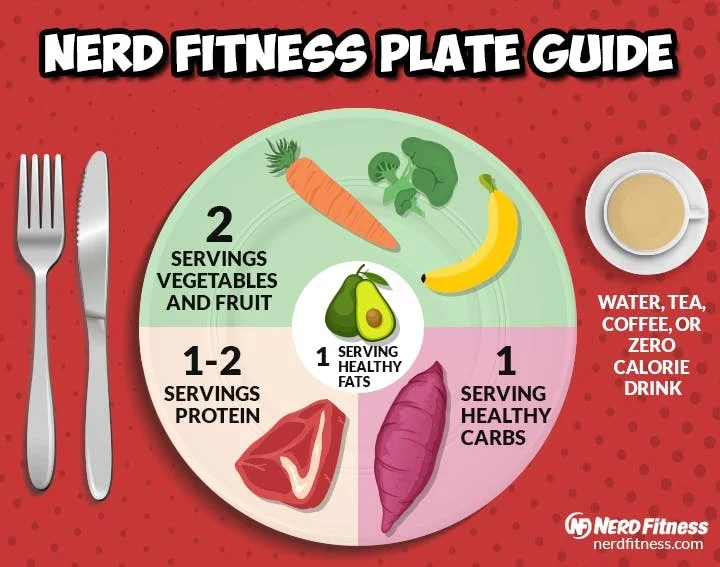
Portion control is not static; your needs may change as you progress toward your goals or adjust your activity levels. Regularly tracking your food intake and monitoring results allows you to fine-tune portions. If weight loss plateaus or energy fades, recalibrating meal sizes or nutrient ratios can reignite progress. Maintaining flexibility and responsiveness to your body’s signals ensures long-term success.
Advanced Tips to Enhance Portion Control Success
Using Visual Cues and Hand Portions
When precision tools aren’t accessible, visual and hand-based portion estimates offer practical solutions. For example, a protein portion roughly matches the size of your palm, and fats approximate the size of your thumb tip. Vegetables often fill both cupped hands, encouraging generous servings without excessive calories. These easy-to-remember guides empower you to gauge portions confidently in varied settings, supporting consistent portion control.
Incorporating Mindful Eating Practices
Mindful eating fosters awareness of hunger cues, helping prevent overeating even when food is available in larger quantities. By eating slowly, savoring flavors, and pausing between bites, you can better recognize fullness signals. This practice complements portion control by discouraging mindless snacking or emotional eating, reinforcing healthier habits that support weight management over the long term.
Adjusting Portions for Activity Levels and Lifestyle
Your energy needs fluctuate based on physical activity and lifestyle factors. On more active days, slightly increasing portions of carbohydrates or protein can fuel performance and recovery. Conversely, on less active days, reducing portion sizes helps avoid excess calorie intake. Tailoring portions to daily demands allows you to maintain balance without feeling deprived, making portion control more practical and adaptable to real life.
Conclusion: Maintaining Long-Term Portion Control Habits
Establishing portion control in meal prep is a powerful strategy for effective weight management, but success requires consistency and adaptation. By understanding portion sizes, setting achievable goals, and using practical tools, you can master portion control and enjoy nutrient-rich meals without excess calories. Incorporating mindful eating, adjusting portions as needed, and tracking progress sustains these habits over time. Ultimately, long-term portion control promotes a healthier relationship with food and supports enduring wellness.