





















Understanding Mental Clarity and Focus in a Home Office Environment
Defining Mental Clarity: What It Really Means
Mental clarity is often described as a state of mind where thoughts are organized, and distractions are minimal, allowing an individual to process information efficiently and make decisions quickly. In the context of working from home, mental clarity means having the ability to concentrate on tasks without feeling overwhelmed or scattered. This clarity enables smoother workflow, improved creativity, and a stronger sense of control over daily responsibilities. When mental clarity is absent, productivity suffers, and stress levels tend to rise, making it essential to understand and nurture this mental state.
Common Challenges to Focus When Working Remotely
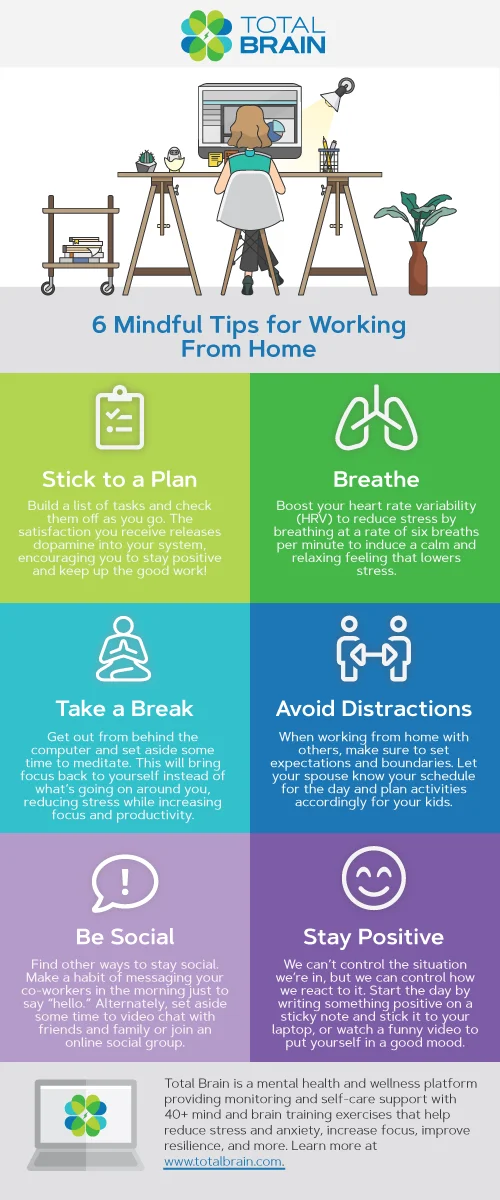
Many people face significant obstacles to focus when working remotely, primarily due to the blurred boundaries between work and personal life. Distractions such as household noises, interruptions from family members, and the temptation to multitask with non-work-related activities can severely impair concentration. Additionally, the lack of a structured environment that traditional offices provide can lead to procrastination and difficulty maintaining sustained attention. The absence of social interaction further diminishes motivation, making it challenging to stay engaged throughout the workday.
Incorporating Nature-Inspired Practices for Better Concentration
Using Natural Light to Regulate Your Work Schedule
One key factor disrupting mental clarity at home is poor exposure to natural light, which regulates the body’s internal clock, or circadian rhythm. Without the cue of daylight, energy levels can dip unexpectedly, and focus may waver. Incorporating ample natural light into your workspace helps synchronize your body’s rhythms, promoting alertness during working hours and restful sleep at night. Strategically positioning your desk near a window or working outdoors when possible allows exposure to daylight, effectively boosting concentration and reducing fatigue.
The Role of Indoor Plants and Greenery in Enhancing Focus
Indoor plants do more than brighten a room—they play a significant role in improving cognitive function and mental clarity. The presence of greenery has been scientifically linked to reduced stress and enhanced mood, both critical factors for maintaining focus. Plants naturally purify the air, increasing oxygen levels, which facilitates better brain function. Introducing a few well-chosen plants into your home office creates a calming environment that encourages sustained attention and mental freshness, counteracting the monotony of a purely digital workspace.
Holistic Lifestyle Adjustments to Boost Cognitive Function
Nutrition Tips for Sustained Energy and Alertness
Poor nutrition can be a hidden cause of mental fog and decreased focus. Consuming foods high in refined sugars and unhealthy fats often leads to energy crashes that disrupt cognitive performance. Instead, concentrating on a balanced diet rich in omega-3 fatty acids, antioxidants, and complex carbohydrates fuels the brain steadily throughout the day. Staying hydrated is equally important; even mild dehydration can impair cognitive function. Planning regular, nutrient-dense meals and snacks helps maintain consistent energy levels, supporting mental clarity during demanding work hours.
Physical Movement and Its Cognitive Benefits at Home
Sedentary behavior is a common issue when working from home, and this inactivity contributes to lethargy and decreased mental sharpness. Physical movement stimulates blood flow, enhancing oxygen delivery to the brain, which improves memory, creativity, and concentration. Incorporating short, frequent breaks for stretching, walking, or light exercise within your workday counters the negative effects of prolonged sitting. These activities not only refresh the body but also reset the mind, resulting in renewed focus and productivity upon return to work tasks.
Mindfulness and Mental Exercises for Sharpness
Implementing Meditation and Breathing Techniques
Mental clutter often results from stress and anxiety, common companions of remote work. Meditation and controlled breathing exercises provide practical solutions by calming the nervous system and centering attention. Regular practice helps train the brain to better manage distractions and maintain sustained focus. Even brief sessions of mindful breathing during breaks can reduce tension and clear mental fog, leading to enhanced clarity when returning to complex tasks. These techniques can be easily incorporated into daily routines to cultivate a sharper, calmer mind.
Brain Training Apps and Puzzles to Enhance Focus
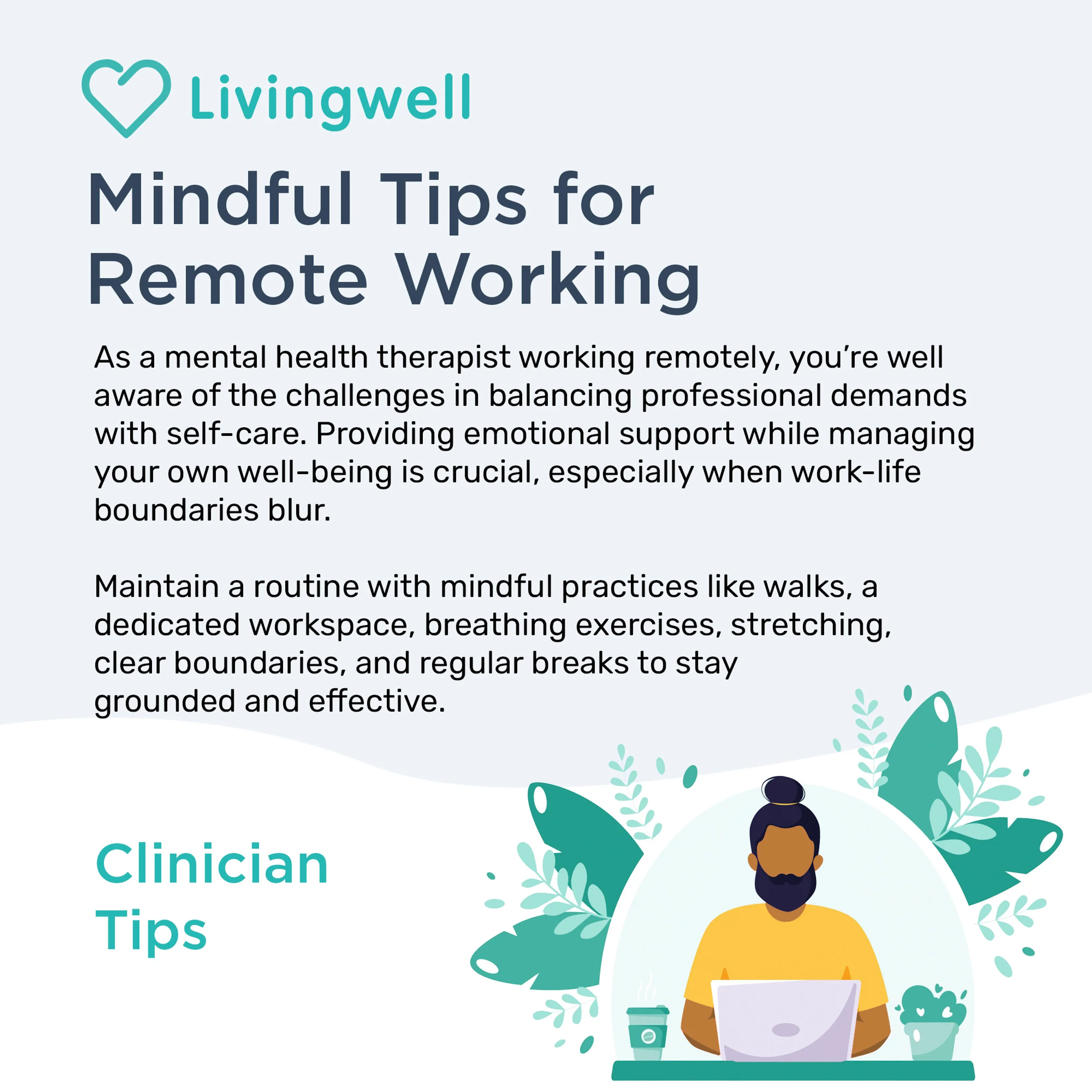
Another approach to improving mental clarity involves actively training the brain through engaging activities. Brain training apps and puzzles challenge cognitive faculties like memory, attention, and problem-solving skills. These exercises can sharpen mental agility and improve the ability to concentrate on work-related tasks. By dedicating a few minutes each day to such activities, individuals can build stronger mental muscles that resist fatigue and distraction, fostering longer periods of productive focus while working remotely.
Workspace Optimization with Natural Elements
Ergonomic Setup to Minimize Distractions and Fatigue
Poor workspace ergonomics can cause physical discomfort that pulls attention away from work, diminishing mental clarity. Chairs and desks that do not support good posture lead to fatigue, pain, and frequent breaks, all of which disrupt cognitive flow. Creating an ergonomic setup that aligns with natural body positions reduces strain and allows for longer, more comfortable periods of sustained focus. Incorporating adjustable furniture and positioning equipment to reduce unnecessary movements helps maintain both physical well-being and mental sharpness.
Using Aromatherapy and Natural Scents to Maintain Alertness
Natural scents like peppermint, rosemary, and eucalyptus have been shown to stimulate the brain, enhancing alertness and focus. Aromatherapy can serve as a subtle yet effective tool to combat fatigue during the workday. Diffusing essential oils or using scented candles creates an environment that invigorates the senses and supports mental clarity. When used thoughtfully, these natural aromas can reduce stress and enliven the workspace, helping to maintain concentration and a positive mindset throughout varied work demands.